
Prepare for an epic journey into the heart of our ever-changing world. Although to many, our knowledge of landforms and borders may seem rock-solid, the Earth has a few surprises up its sleeve. Even now, islands are vanishing from maps, and the African continent is about to steal the spotlight.
The East African Rift, a geological marvel slicing through East Africa, is on a mission to tear the African plate apart, and the suspense is building. Why? It’s because this seismic spectacle could birth a brand-new ocean, rewriting Africa’s map and challenging everything we thought we knew about unchanging geography. Stay tuned because our home planet’s about to flip the script!
Shaking The Earth To Its Core
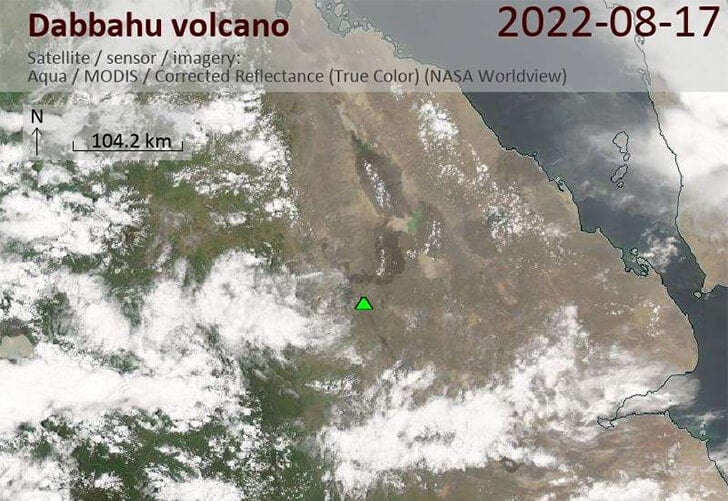
Nestled in Ethiopia’s Afar region, the Dabbahu Volcano is a centerpiece of the dynamic Afar Triangle. Although it’s been called by many names over the years, one thing remains consistent: its significance in the region’s rich geological tapestry. Here’s where the story takes a turn.
On September 26, 2005, against its silent history, Dabbahu erupted in a breathtaking display of nature’s fury. This singular eruption was set against a backdrop of preceding earthquakes, making the event even more unexpected and mesmerizing. For a volcano known to be active, this was its singular recorded dance with the skies, reminding us of nature’s ever-present element of surprise.
It Was More Than Just Ash And Smoke
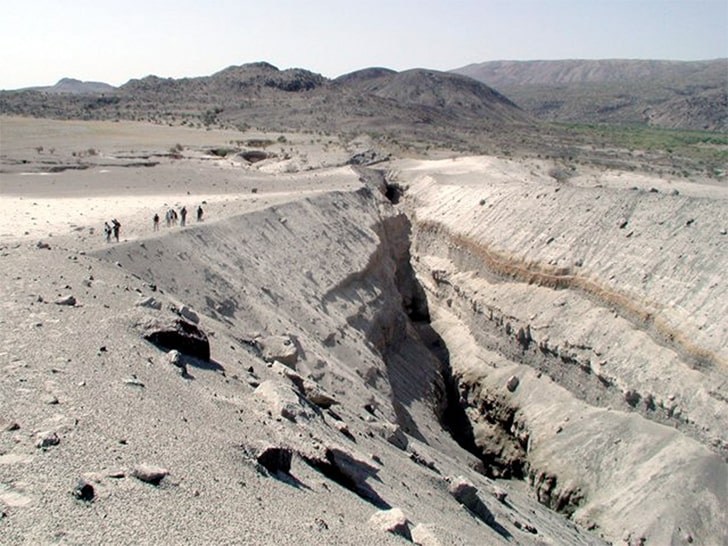
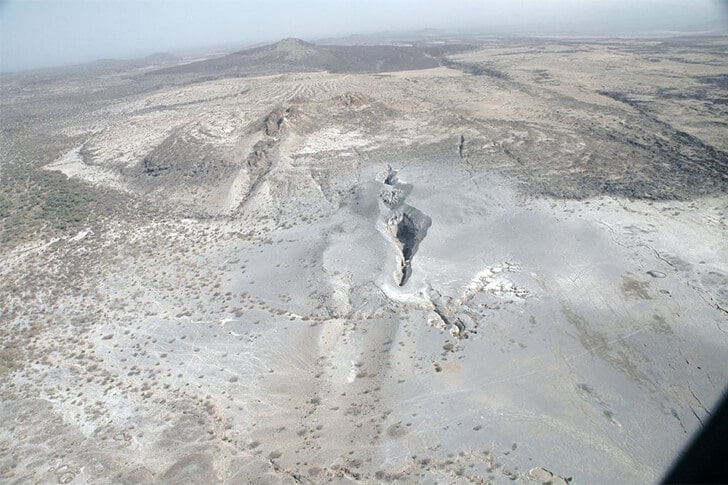
In the wake of the eruption, a haunting veil of ash cloaked the surrounding area of the volcano, casting darkness for a full three days and nights. Yet, the most jaw-dropping consequence lay on the ground. A fissure, stretching 0.3 miles long, appeared as if the Earth itself had received a scar.
At first glance, this rift might have seemed minor, but the land was about to tell a different story. This modest crack grew alarmingly in just a few days, expanding with a speed that took observers by surprise. The eruption had done more than just spit fire and ash; it had reshaped the very ground beneath.
What Started As A Small Crack Turned Out Differently
Over just a few days, a humble crevice on the ground took everyone by surprise. Imagine a tiny crack in the earth, so innocuous you’d hardly give it a second glance. Within days, that modest fissure transformed into a yawning gap, stretching a staggering 20 feet wide in some places.
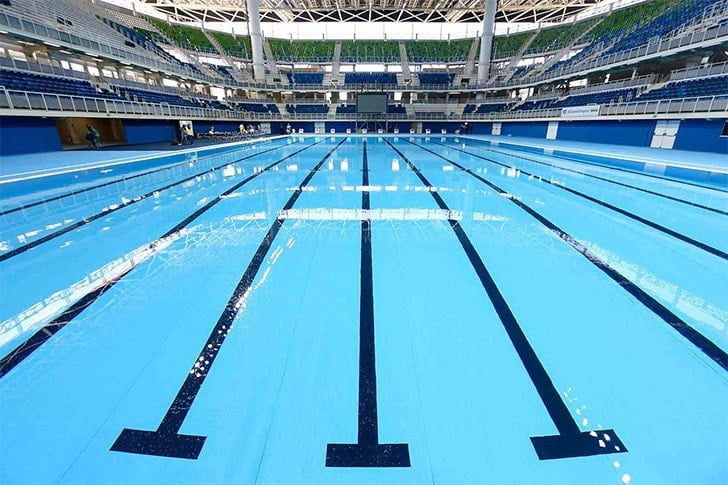
What made things truly mind-bending was this: when scientists crunched the numbers, the results were nothing short of astounding. The space this growing chasm could accommodate was comparable to Olympic-sized swimming pools. This wasn’t just a geological event; it was a grand spectacle of nature, making us rethink what the ground beneath our feet is capable of.
Molten Magma Was Just Waiting For Its Time
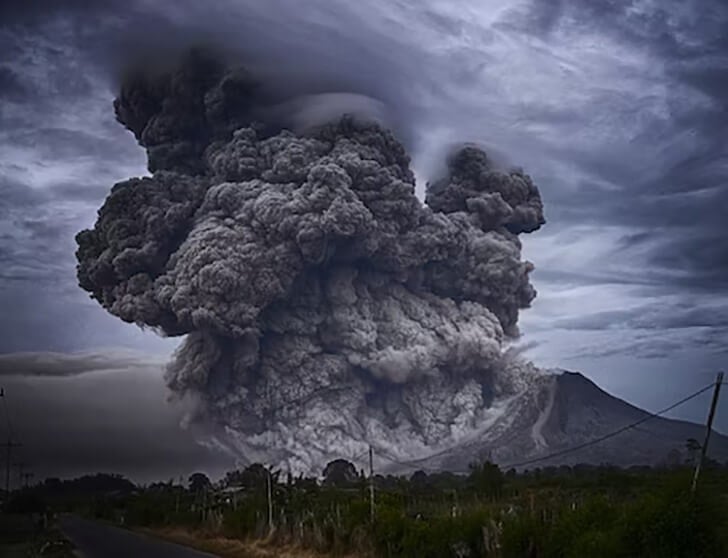
Picture this: the Dabbahu Volcano erupts, and it’s not just a fire-and-ash show. This eruption kicks off a sequence that feels straight from a sci-fi thriller. Tectonic plates, the massive slabs of Earth’s crust, were torn apart like a sheet of paper. Then, molten magma from the Earth’s core seizes the opportunity, oozing into the newfound gaps.
It’s as if the land itself is splitting apart, reminiscent of a cracking windowpane. Moreover, these plates aren’t just sitting there as they’re actually shifting apart. What began as a seemingly insignificant ground crack evolved into awe-inspiring fissures that were too dramatic to ignore. This is Mother Nature’s drama, unscripted and utterly captivating.
It Left Huge, Unforgettable, Scars
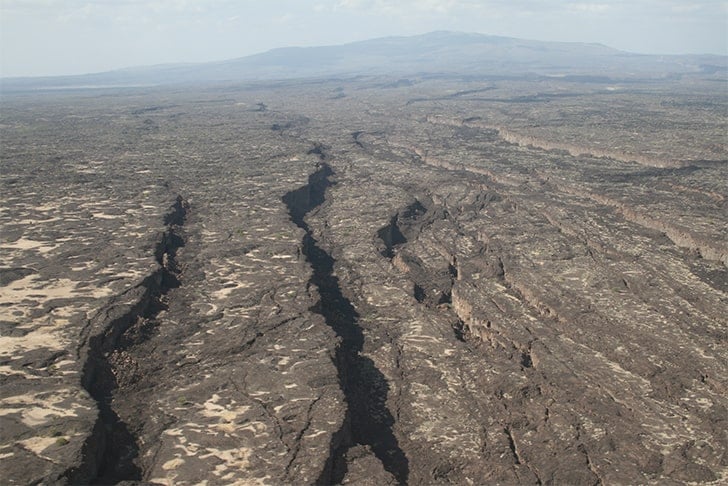
After Dabbahu’s fiery display, the land itself began to tell a tale. In the months that followed, Ethiopia’s southern region became a canvas of emerging cracks. To make matters more serious, they weren’t static as they grew more expansive with every day and week, revealing an Earth in flux.
Each fracture was like a brushstroke depicting the land’s continuous evolution. This is another proof that the Dabbahu eruption was more than just a fleeting spectacle; it had set the stage for a grander narrative of change. It bore testimony to the incredible forces just beneath our feet, offering a window into our planet’s living and breathing geological wonders.
A Major Continental Shift Was Showing Some Serious Signs
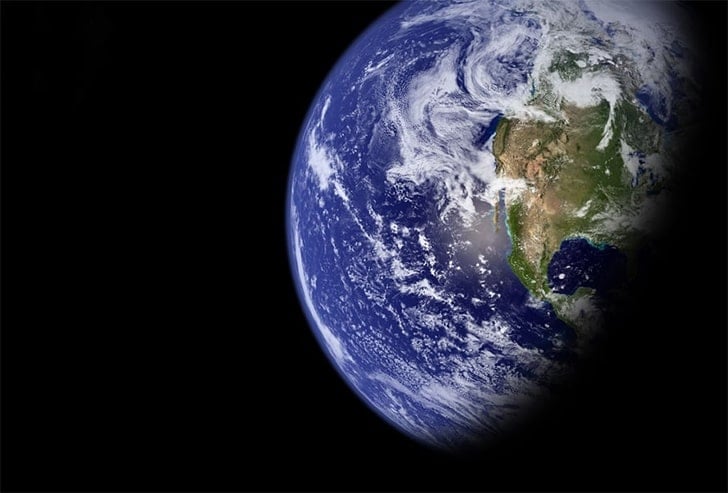
At a glance, the newly formed cracks seemed harmless enough. However, science was able to paint a far more captivating tale when they decided to delve deeper. It was found that our continent was silently splitting apart right beneath us.
Unknown to many, a world of subterranean eruptions and shifting tectonic plates is continuously at work beneath the everyday hustle and bustle. These processes, often quiet and unnoticed, shape and reshape the Earth. So, while we go about our daily routines, it’s humbling to think that below us is a never-ending dance of plates, a testament to the ever-changing and intricate forces that craft the very ground we walk on.
The Forces That Make The World Go Around
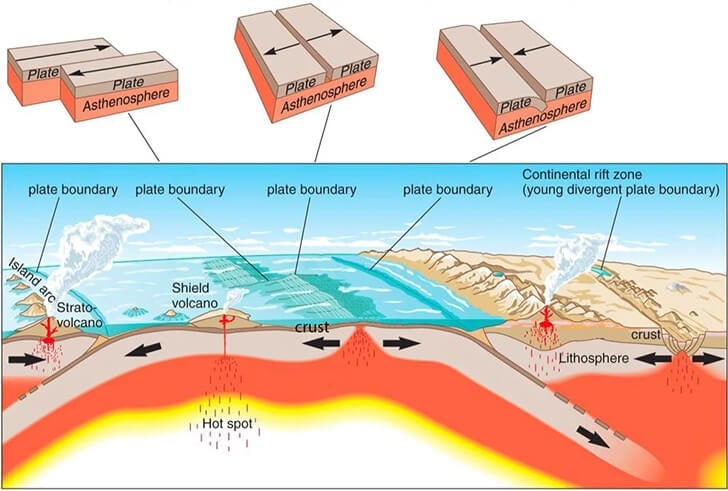
In the grand orchestra of our planet, the ceaseless dance of tectonic plates goes on, mostly hidden from our daily lives until the Earth decides to shake things up. Earthquakes, tsunamis, and volcanic eruptions are the spotlight moments when we notice the planet’s relentless movement.
Beneath our feet is the Earth’s lithosphere, which is sliced into these giant jigsaw-like tectonic plates and is in perpetual motion. These plates aren’t the static floor beneath us; they’re more like restless travelers, constantly on the move, sometimes converging at varying speeds. How they pull off this intricate maneuver remains a hot topic and an ongoing puzzle in the scientific field.
What Seemed To Be Their Temple
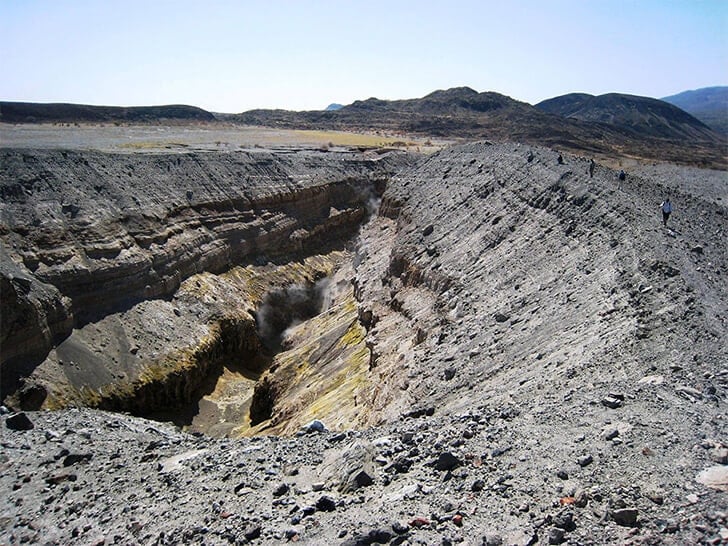
Plate tectonics is a saga of surprises where massive puzzle pieces occasionally throw tantrums. It almost feels like always cracking up and forging new plate boundaries. Even today, there is a drama unfolding in the heart of the Afar desert—a seemingly desolate landscape secretly hosting a geological spectacle.
It’s like attending a backstage tour of Earth’s wardrobe change, where continents morph into oceans. This is no ordinary desert; it’s a VIP pass to witness one of the planet’s most captivating makeover processes. The arid surface conceals the thrilling story of various shocking transformations, and it’s a story that’s anything but ordinary.
Not Your Ordinary Tourist Destination
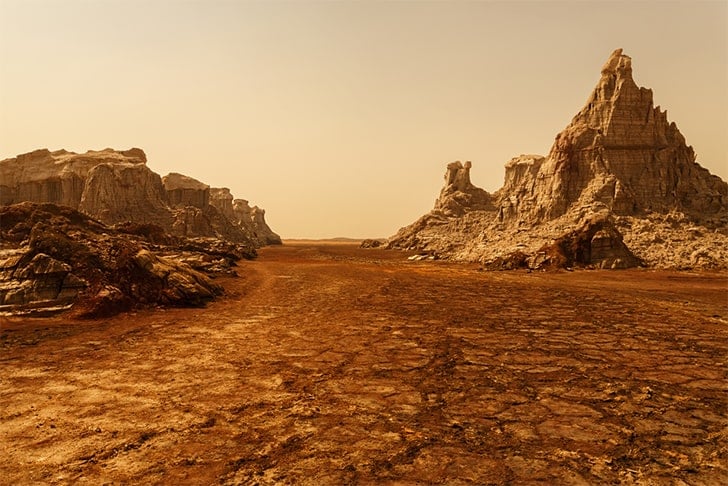
The Afar desert is no ordinary expanse of sand; it’s your VIP ticket to an Earth-altering spectacle. It’s the only spot on the entire planet where scientists can watch the world transform right before their eyes.
They are like in the front row of a show while the Earth is changing its very identity. It’s like witnessing magic as continents morph into oceans. That’s why scientists from across the globe are making a beeline for this desert hotspot. It’s the ultimate reunion of inquisitive minds, all converging to witness and decipher the secrets behind our planet’s jaw-dropping makeover. It’s the Earth’s most fantastic spectacle, and they got a ringside seat.
How Far Can They Unlock The Mysteries Beneath?
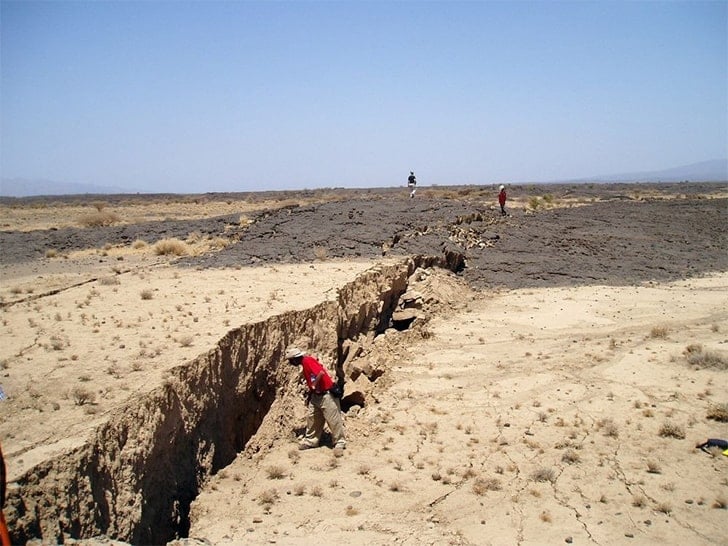
The Afar Desert stands as a harsh, unforgiving land shaped by relentless volcanic forces and seismic turmoil, rendering it unfit for human habitation. It boasts a turbulent history, marred by frequent volcanic eruptions and earth-shaking quakes, creating an environment where only a select few life forms can endure.
Yet, in the face of such peril, a diverse group of brave scientists from various disciplines dared to venture into this mysterious realm. Undaunted by the dangers that loomed, these dedicated individuals embarked on a mission to explore the Afar Rift. Their motivation lies in the prospect of unveiling the cryptic secrets concealed within this treacherous landscape.
Sometimes, Curiosity Is The Start Of It All
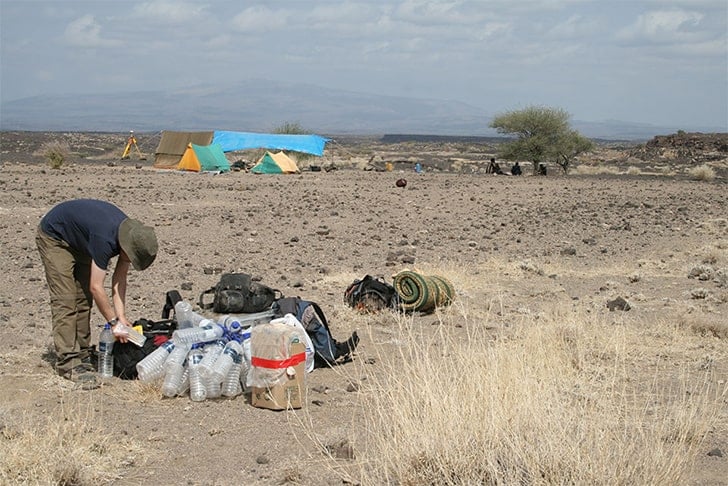
The collaboration among these scientists shines a spotlight on humanity’s unstoppable curiosity, our unyielding resolve to venture into uncharted territories, and our tireless commitment to unearth the hidden wonders concealed beneath the Earth’s surface. There’s no doubt that what’s happening here is a one-in-a-million chance to witness a jaw-dropping spectacle: an entire continent undergoing an exceptional makeover.
For the geologists leading this charge, the rewards far surpass the inherent dangers. This unique opportunity provides them with an immersive front-row seat to the dynamic unfolding of geological marvels, a chance to witness the Earth’s very core in action and contribute to the growing body of knowledge that keeps the world moving.
The African Continent Never Saw This Coming
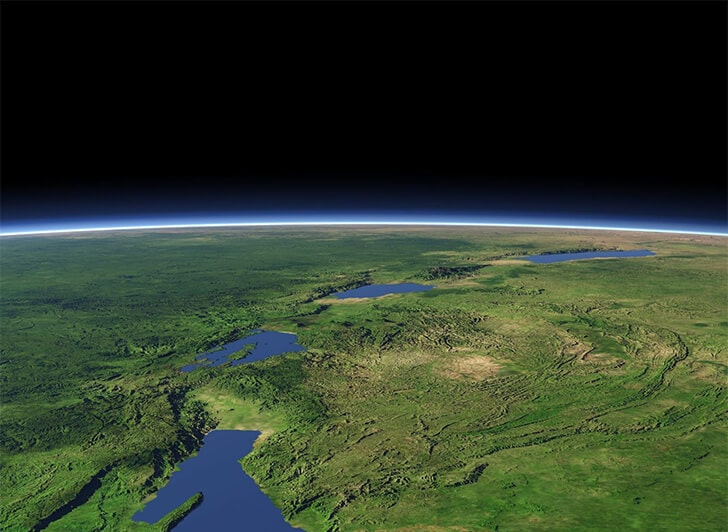
These daring geologists boldly explore the Earth’s hidden realms, and they bring with them a mesmerizing prophecy: Africa, as we know it, might one day split into two distinct landmasses, giving birth to a colossal ocean. But hold onto your seats; this isn’t a quick thriller—it’s an epic, unfolding over the unimaginable stretch of 10 to 50 million years.
In this grand saga, patience takes the stage, reminding us that our planet’s transformations operate on a cosmic timetable. It’s a story where time itself becomes the brush, painting Earth’s most incredible masterpiece, and we’re just here for the show and, maybe, more studies.
Another Puzzle Piece In This Mystery
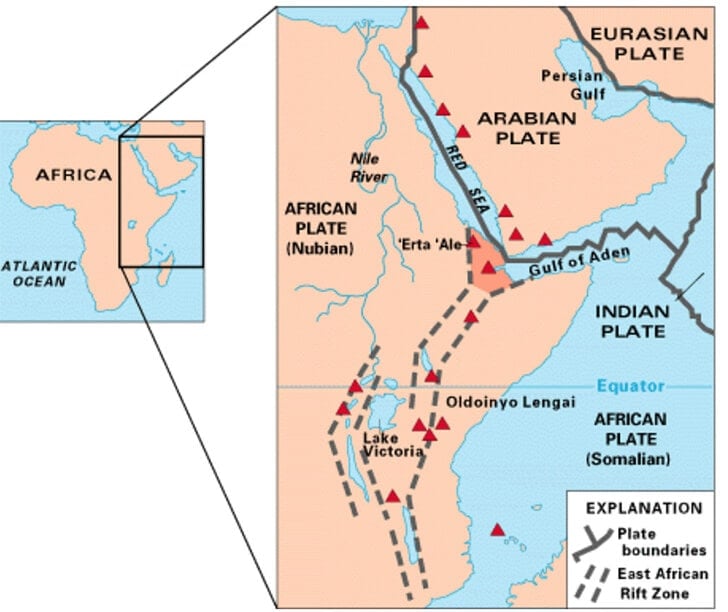
The Earth’s epic drama looks unending as we unveil the astounding East Africa Rift (EAR) zone. It’s a living testament to the mesmerizing spectacle of continental dynamics, stretching over a whopping 3,000 kilometers. Just imagine a majestic, curving East African Rift Valley that weaves its way from the northern Gulf of Aden to the southern reaches of Zimbabwe.
What makes this story truly enthralling is the Africa Plate. It’s the mastermind orchestrating this astonishing divide, and here’s the twist: even the Africa Plate isn’t immune to the plot’s intrigue. It’s undergoing its own transformation, splitting into two distinct personalities—the Somali Plate and the Nubian Plate.
New Tectonic Plates Are On The Move
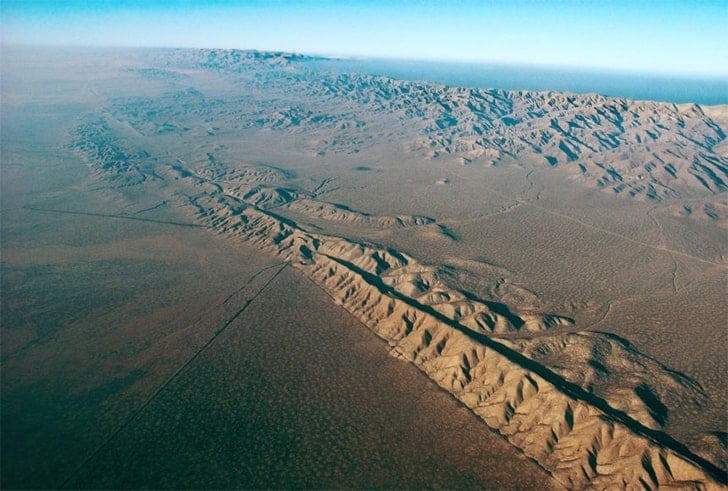
In the concept of tectonic dynamics, the idea of “novel plates” comes to the fore, denoting the emergence of fresh tectonic plates as a consequence of the cleavage of larger preexisting tectonic plates. An intriguing facet of this phenomenon is the ongoing division of the expansive African Plate into two distinct novel plates: the Somali Plate and the Nubian Plate.
This interplay of tectonic movements sets the stage for future transformations. It is anticipated that the Red Sea and the Gulf of Aden will eventually conjoin their waters, cascading into the Afar region and the East African Valley. This narrative encapsulates a momentous chapter in the ongoing evolution of geology.
All It Needs Is A Simple Water Ingredient
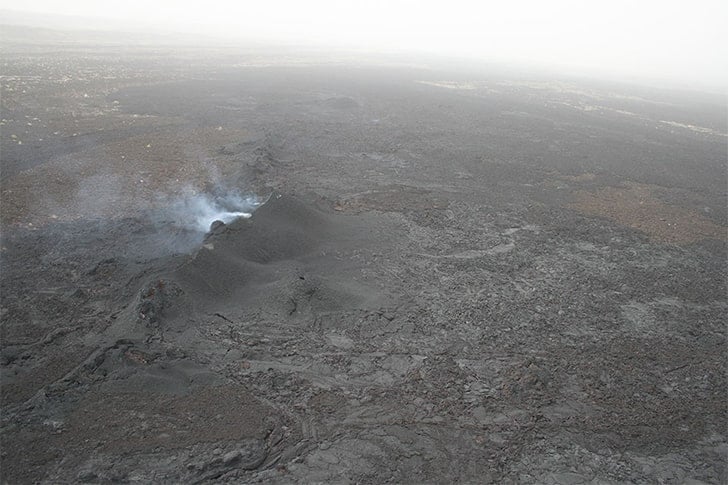
In the not-so-distant past, the region’s volcanoes decided to try their hand at some geological architecture. They got creative and started channeling molten magma beneath the Earth’s surface. The result? Well, it’s a terrain that’s got a serious crush on basalt, the rock star of the oceanic crust.
Yes, these volcanoes became the architects of their own little world, sculpting a landscape that’s unlike anything you’ve seen before. Forget the cookie-cutter designs; this place is a basalt bonanza, with rocks that have stories to tell and mysteries to unfold. It’s a geological masterpiece brought to you by none other than Mother Nature’s fiery artisans.
New Discoveries Awaiting In The Corner
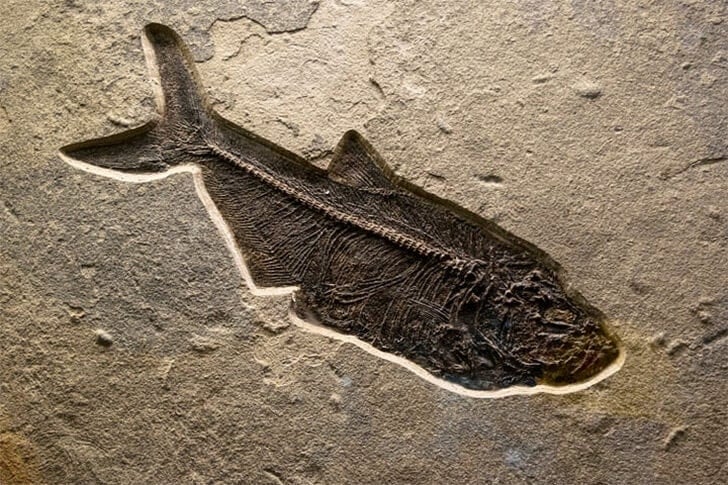
While we might not live long enough to witness a continent’s grand split, the stage is already set for a dramatic transformation. Since that fiery eruption in 2005, the Afar region has been penning its own nature story. In this desert, secret cracks and crevices have formed, capturing cooled molten magma in their intricate grasp, like artwork carved into the Earth’s crust itself.
Now, we know that Earth’s changes are slow and steady, but this place is a hotbed of natural wonders. The Afar desert is also a hotspot for fossils, a glimpse into Earth’s ancient history. It’s like a treasure chest for scientists worldwide.
How Technology Reveals Wonders
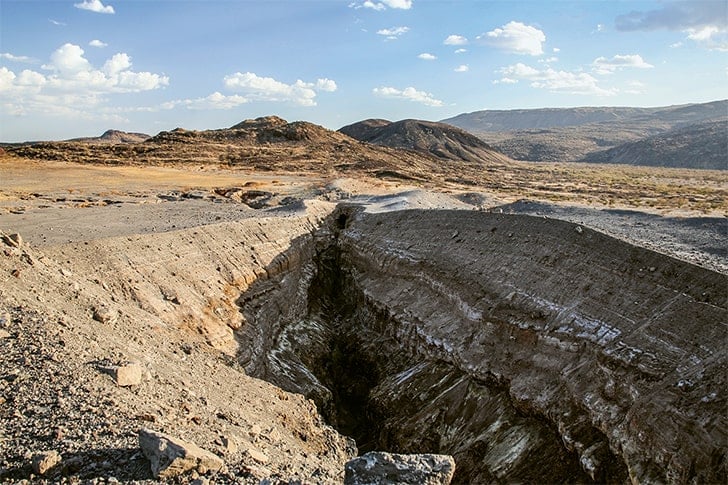
With high-tech marvels, we’ve got a front-row seat to understand the crust changes like never before. Things get exciting when those colossal pieces of Earth’s crust decide to part ways. Stuff from deep inside starts making its way up to the surface. It’s like the planet’s own makeover, creating fresh crust right where the plates do their parting dance.
As these plates drift apart, the lithosphere gets stretched out and slims down. Think of it as a cosmic workout. And guess what? This stretching makes the magma beneath get all adventurous. It rises, cools down, and voilà! We’ve got ourselves some solid, brand-spanking-new crust.
Can A Desert Possibly Crave For A Swim?
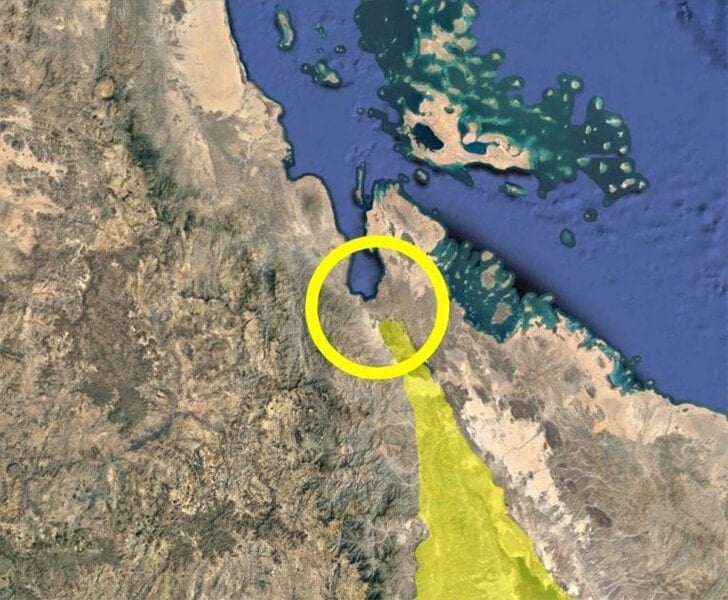
Here we have the ultimate Earth explorer, Dr. James Hammond, straight out of the University of Bristol. This fearless seismologist embarked on a daring mission right in the heart of the Afar desert; his discoveries are legends. In the middle of this scorching desert, Dr. Hammond stumbled upon something mind-blowing.
Believe it or not, certain parts of this very desert are actually below sea level! Imagine that: a desert flirting with the ocean. Yet, there’s this colossal 20-meter-tall land wall in Eritrea, standing like a guardian, keeping the sea at bay. Who knew science could be this full of jaw-dropping surprises?
A New Sea At Hand, But At What Cost?
We’re diving into a mind-blowing possibility if the ocean gets a bit adventurous and decides to pour into these cracks in the Earth. It’s like filling in the gaps with liquid magic, creating a whole new watery wonderland. However, this epic flooding could be a real game-changer for Ethiopia.
We’re talking about parts of the land sinking and breaking apart, like a giant puzzle unraveling before our eyes. Plus, places like Somalia and chunks of southern Ethiopia might just transform into islands, ready to set sail and join the Indian Ocean party. It’s as if the Earth itself decided it’s time for a change in the story.
How About The Rest Of The Continent?
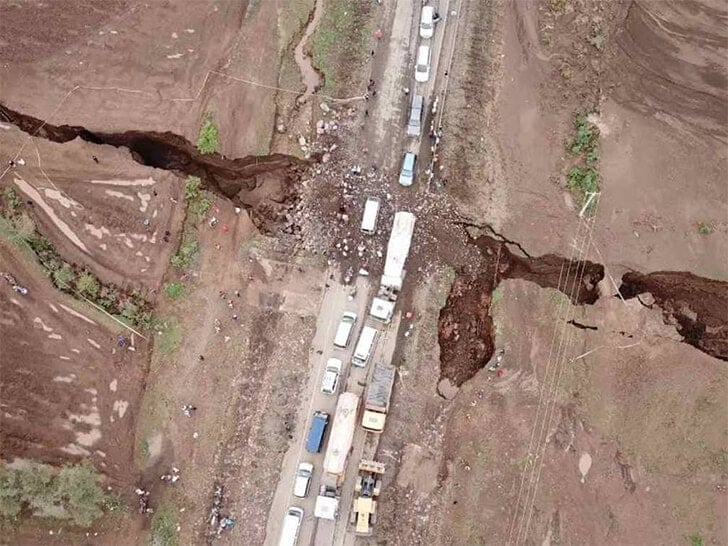
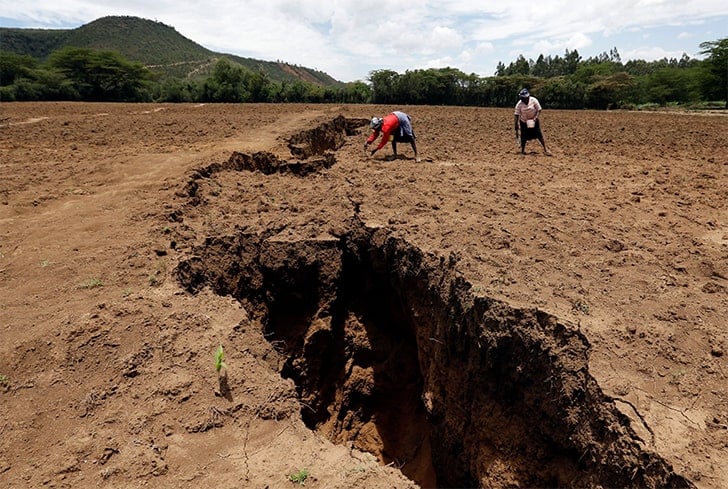
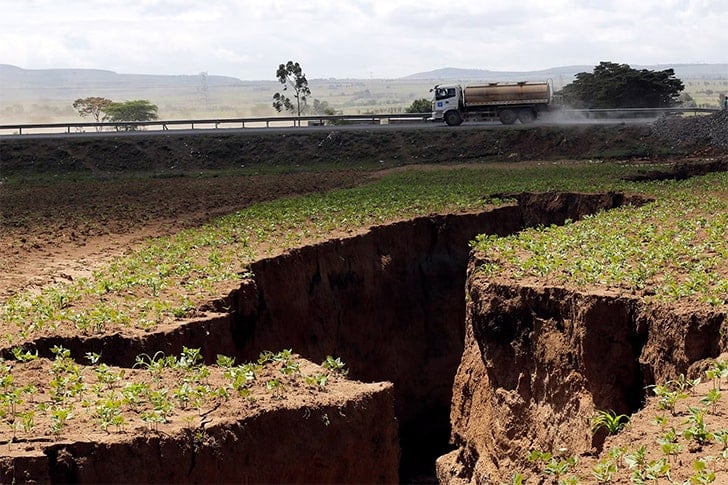
Just when Ethiopia was stealing the geological spotlight, Kenya decided it wanted in on the action, too! In April 2018, news broke about a gigantic crack that appeared in Kenya’s Rift Valley, and suddenly, everyone was buzzing about it. People couldn’t stop chattering about this mysterious crack, and some even began to wonder if it was proof that the mighty African continent was in the midst of a dramatic breakup.
Africa, the land we’ve known and loved for ages, might just be hitting the splits. It’s like watching a superstar break up their band to pursue a solo career. So, stay tuned because this is one Earth-shattering story that’s got everyone talking.
Kenya Might Have A Different Story To Tell
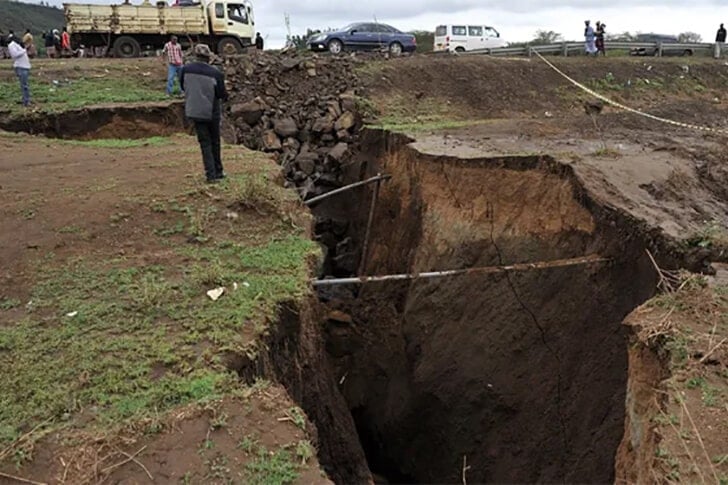
Talk about perfect timing! These cracks decided to make a grand entrance just when a bunch of earthquakes were having a wild party in the neighborhood. But wait, it gets even juicier as these sneaky cracks showed up right at the very spot where two tectonic plates were also moving.
So, we can’t really blame people for connecting the dots. When similar stuff was going down in Ethiopia, and then you see these matching cracks in Kenya’s Rift Valley, it’s like déjà vu. It’s a bit like seeing a plot twist in a movie and then finding out the sequel has just dropped.
There’s More To These Cracks Than What They Seem
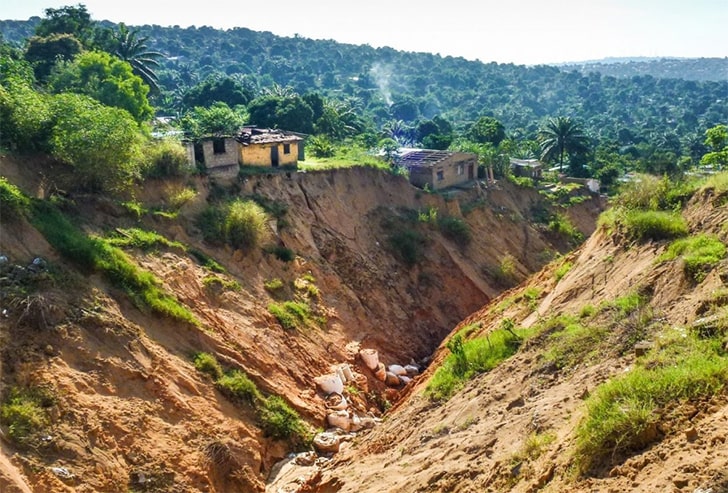
At first glance, those cracks in the land seemed like chapters in the same geological book. However, as our explorers dug deeper, they uncovered a whole new plot twist. The real culprit behind these cracks wasn’t the shifting tectonic plates everyone labeled as the suspect.
It turned out that this was a tale hidden beneath the surface, a drama starring none other than soil erosion. Imagine soil, slowly but surely, getting washed away or worn down, like Mother Earth’s version of a home makeover. It’s like a different toolkit entirely, reshaping the planet in ways we never even imagined. Who said geology couldn’t throw a surprise party?
The Truth About Kenya Unfolding Too
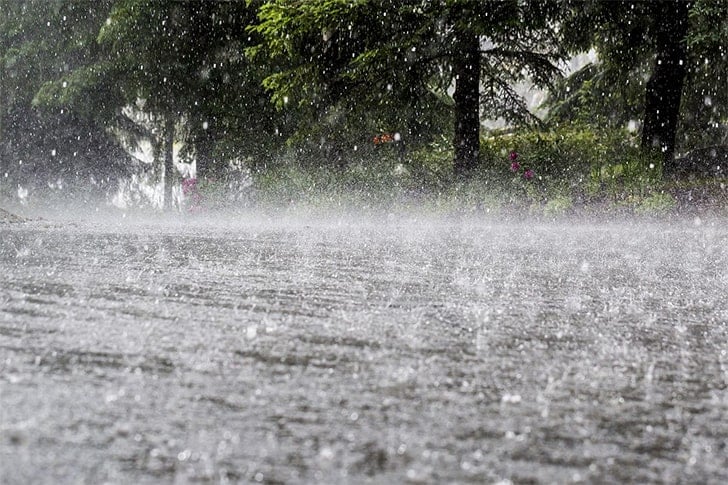
Those puzzling cracks that had everyone scratching their heads were hiding a surprising secret. Researchers decided to follow the trail of heavy rains that had recently drenched the region, and what they uncovered was mind-boggling.
These cracks weren’t the result of seismic drama, as everyone thought. The truth is, it was Mother Nature’s own waterworks show. It was caused by a relentless rain pouring down like a determined sculptor. As it flowed, it washed away layers of loose volcanic ash left behind by previous eruptions in Kenya’s Rift Valley. The result led to these gaps in the ground that seemed like an artistic touch created by the sheer force of water.
The Earth And Its Glory

Our human era may feel like a tiny blip in the grand scheme of the universe, but guess what? That means colossal changes are all part of the cosmic show. The idea of continents playing a game of breakup isn’t anything new. In fact, if we hit the rewind button and go back a whopping 300 million years, you’d be in for a jaw-dropping surprise.
The Earth of yesteryears would be a total shocker compared to the world map we know today. The continents we now recognize were just puzzle pieces in the making, and the oceans we sail across didn’t even exist yet.
It Went Through A Lot More
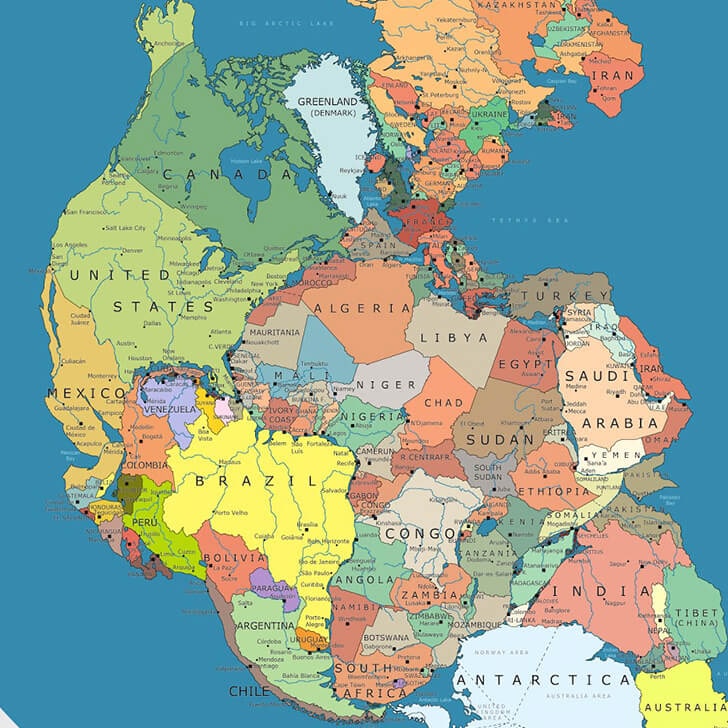
Earth can be compared to the ultimate ancient puzzle, like a cosmic game of Jenga. A mind-blowing 300 million years ago, there was a superstar supercontinent named Pangea, surrounded by a colossal global ocean called Panthalassa.
After about 100 million years of togetherness, Pangea decided it was time for a breakup. Imagine this mega-continent gracefully splitting into pieces, giving birth to the continents we know today. It’s like geological magic happening before your eyes. As these continents settled into their current positions, they created new lands and reshaped the oceans. It’s a unique game of shuffle and change, turning the world into the spectacular place it is today.
Yet, It Might Never Stop Growing
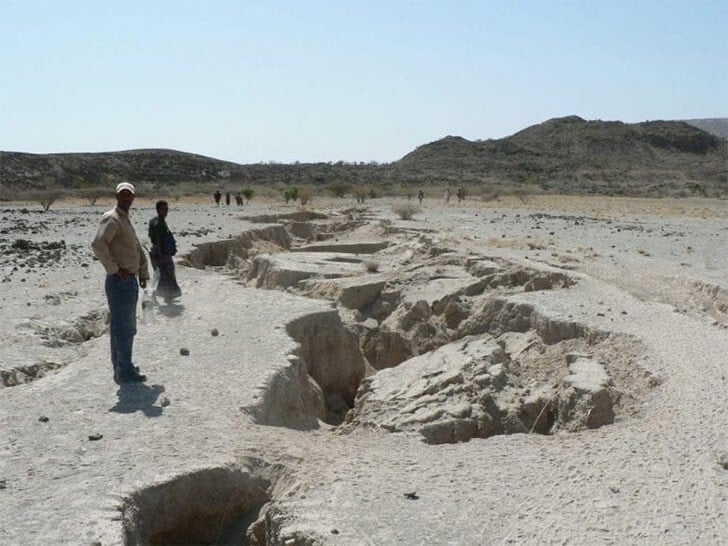
It’s like a rerun of history in action as the Earth’s landmasses are gearing up for a makeover encore. Lucky for us humans, we get front-row seats to witness the opening act of this incredible transformation. It’s like attending nature’s very own classroom, with lessons on earthquakes, volcanic eruptions, and all the awe-inspiring forces that shape our world.
This isn’t just about collecting cool facts, though; it’s a backstage pass to a grand geological show. Humans have the privilege to witness the birth of possible brand-new oceans and continents. It’s a spectacle work that researchers and scientists are eagerly studying.
Does Iceland Have A Say On This?
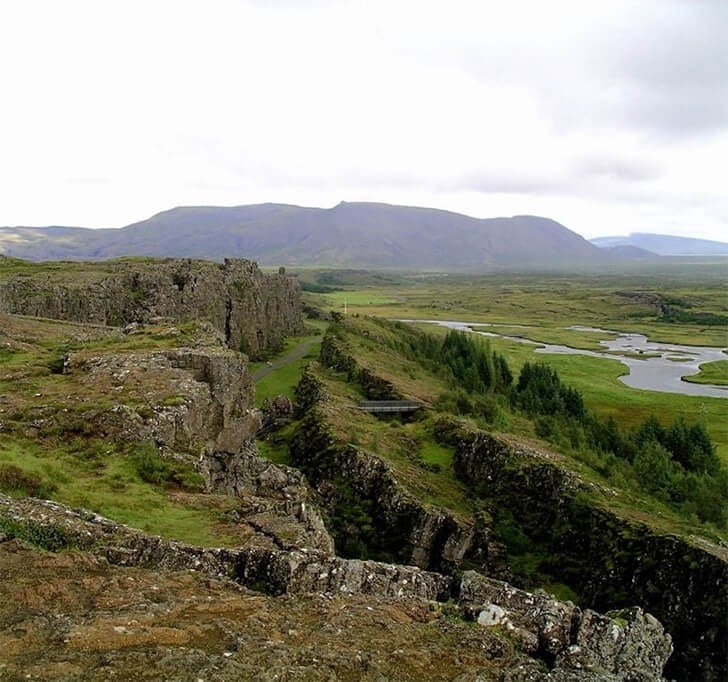
Africa isn’t the only player in the “splitting-up” game. Believe it or not, rifts and cracks are putting on a worldwide show. About 5,000 miles away from Ethiopia, another spot on our planet is gearing up for a similar fate. Say hello to Iceland, the cozy island country nestled snugly between Greenland and Norway.
Iceland isn’t your run-of-the-mill destination. It’s a land of dramatic contrasts, earning its cool nickname as the “land of fire and ice.” Just imagine fiery volcanoes and icy landscapes living side by side, creating a stunning blend of opposites. So, while Africa might be making headlines, Iceland is quietly plotting its own geological adventure.
When The Land Of Fire And Ice Built Its Lines
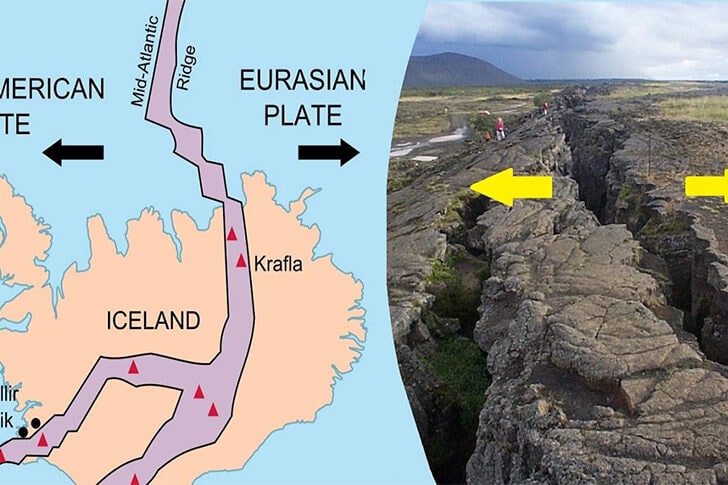
Iceland is like the middle child in a tectonic family feud between the heavyweight Eurasian and North American plates. These giants are pulling apart, and Iceland’s caught in the middle of the action, facing some serious challenges. In fact, there’s a wild possibility that this cozy country might just split into not one, not two, but three pieces!
Head over to Iceland’s Þingvellir region, and we see a massive scar etched into the landscape, like a tattoo from all this tectonic drama. It’s a hotbed of volcanic and tectonic activity, like nature’s own rock and roll concert. So, while Iceland might be the middle child, it’s also carving its own path.
So, How Does All These Involve All Of Us?
Isn’t this world a perpetual source of amazement? Considering our role in these colossal geological events, it’s like a giant wake-up call to become better stewards. After all, we’re just temporary tenants here, tasked with preserving Earth’s beauty and marvels for the generations yet to come.
Speaking of wonders, the Afar desert in Africa is a genuine gem in this cosmic tale. It may be dry and scorching, but it’s also the heart of something truly monumental: the very first time we humans are witnessing a continental breakup that might just hit close to home. It’s like the Earth itself is nudging us and sending a very important message.