

9 Tips to Make Night Driving Safer and Less Frightening
Once the sun dips below the horizon, driving becomes more than just a commute—it becomes a challenge. Limited visibility, harsh glares, and hidden road hazards quickly raise the stakes after dark. While many drivers assume they’re simply used to night driving, the truth is that visibility drops drastically, especially for those with even slight vision impairments.
Fortunately, there are several expert-backed adjustments that can greatly reduce the risks of driving in the dark. Whether you’re navigating rural roads or heading home through city streets, these nine strategies can help keep your nighttime drives safer and less stressful.
1. Keep the Windshield Spotless
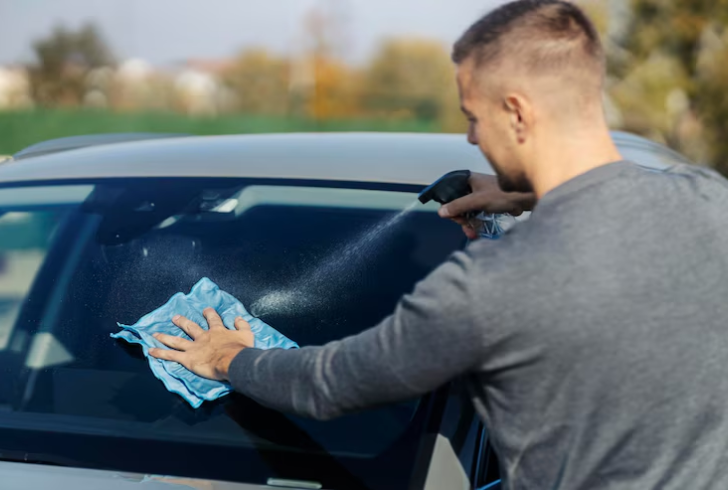
Freepik | dusanpetkovicon| Boost night visibility by regularly cleaning your windshield to eliminate glare from dust and smudges.
One of the easiest ways to improve visibility at night is by cleaning the windshield regularly. Dust, smudges, or watermarks can scatter light and increase glare from streetlights and headlights.
This not only distracts drivers but also reduces the ability to see clearly. Aim to clean your windshield weekly, especially if you drive in dusty regions or after a rainstorm.
2. Don’t Ignore Your Headlights
Headlights collect dirt, bugs, and grime quickly, especially if your commute includes long highway drives or country roads. Dull or dirty headlights reduce how far ahead you can see, which can turn even familiar roads into dangerous paths.
Take time to wipe them down and check that both lights are working before any nighttime trip.
3. Use High Beams When It’s Safe
High beams are very helpful when traveling on vast, deserted roads or in rural, dark locations. They provide more range and depth to your vision. However, avoid using them in heavy traffic, during rain or fog, or when approaching hills and curves where they can blind other drivers.
4. Avoid Looking at Oncoming Headlights
Although it may feel natural to look toward bright lights, resist the urge. Bright headlights can temporarily affect your night vision and cause afterimages that linger, which makes it harder to see once the car passes.
Instead, keep your eyes on the road ahead and move them slightly to the right edge of your lane.
5. Check Your Headlight Alignment
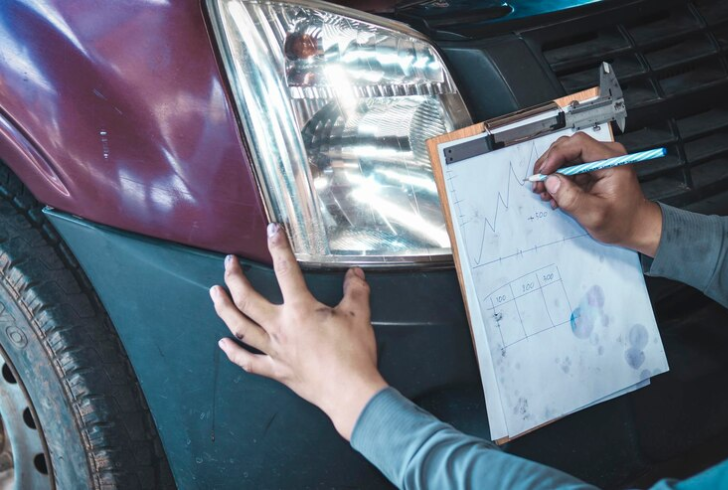
Freepik | EyeEm | Check your headlight alignment regularly for safety.
Even if your headlights are clean and functional, they might not be aimed correctly. Over time, bumps in the road or vehicle wear can misalign headlights. Poor alignment decreases road visibility and increases glare for other drivers. During regular vehicle inspections, ask your mechanic to check and adjust the alignment.
6. Dim Interior Lights
The lighting inside the car may make it difficult for you to see what’s going on outside. Bright dashboard displays, cabin lights, or screens increase internal reflections and reduce night vision. Keep interior lights low or off altogether to help your eyes adjust better to the dark surroundings.
7. Keep Your Glasses Clean and Fitted Properly
Smudged lenses scatter light in the same way a dirty windshield does. Keep eyeglasses crystal-clear by using a microfiber cloth or gentle soap and water—never just the corner of a shirt. Make sure your prescription is up to date, and consider anti-reflective lenses for reduced glare.
If you’re exploring night driving glasses, consult your eye doctor first. While some claim to reduce glare, they might not work for everyone.
8. Stay Well-Rested and Alert
Fatigue doesn’t just slow reaction time; it can also blur your vision and dull focus. Shifts in daylight from seasonal time changes can disrupt your internal body clock, making drivers feel more tired during evening hours.
To combat this, avoid caffeine too late in the day and maintain a regular sleep routine.
9. Stay Aware of Your Environment
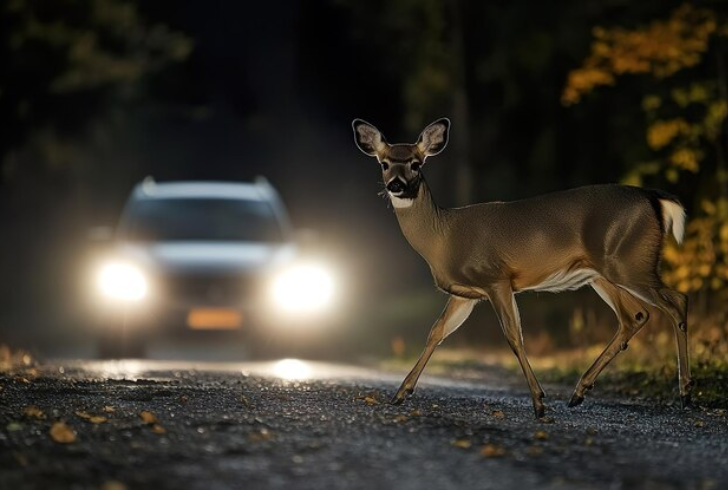
Freepik | lucegrafiar| At night, stay extra vigilant for animals, pedestrians, and debris on the road.
Paying close attention to your surroundings becomes even more crucial at night. Watch for animals near wooded roads, be alert for pedestrians in poorly lit areas, and expect unexpected hazards like fallen branches or tire debris. Slow down slightly on roads you don’t know well and increase your following distance to allow more reaction time.
Night driving doesn’t have to be a nerve-wracking experience. By following these 9 practical tips you can boost both your safety and confidence behind the wheel after dark.
Remember, preparation and awareness go a long way in reducing the risks associated with nighttime driving. With a few mindful adjustments, you’ll be better equipped to handle the road—no matter what time it is.
More inDriving
-
 Credit Acceptance Pays $710 Million to Settle Predatory Auto Lending Claims
One of America’s largest subprime auto lenders has agreed to a massive settlement over allegations that it put financially vulnerable...
October 1, 2026 -
 EV vs. Hybrid vs. Gas | Which Car Works Best for a Road Trip?
A long road trip can reveal differences that city driving often hides. Charging time, fuel stops, highway range, energy prices,...
September 27, 2026 -
 Diesel Prices Exceed Historic $6 a Gallon as Iran War Intensifies
Diesel prices are soaring in the U.S. The national average reached $6.2694 per gallon on September 15, 2026, according to...
September 25, 2026 -
 Adding Your Teen to Your Car Insurance? Costs and Ways to Save
A newly licensed teen can bring excitement to a household, but the first auto insurance bill may bring a surprise....
September 19, 2026 -
 Here’s How Much Spending Money Your College Student Should Get
The tuition is paid, the dorm room is booked, the meal plan is set, and the car is packed. Your...
September 18, 2026 -
 How Much Money Should You Keep in an Emergency Fund?
With everyday expenses remaining high across the U.S. in 2026, an emergency fund can provide a needed buffer when an...
September 13, 2026 -
 How Staying With the Same Car Costs You More in Insurance
Loyalty usually sounds like something a company should reward. Stay with the same business for years, pay your bills on...
September 11, 2026 -
 State Farm Is Sending Out $5 Billion in Dividends. Here’s Who Qualifies
After several years of rising auto insurance costs, some State Farm customers are now getting money back. State Farm has...
September 6, 2026 -
 Nissan’s Big Bet on Aggressive Discounts Is Fueling Sales As Competitors Pull Back
Nissan is spending more money to get buyers into its cars, and the strategy is producing results. While several major...
September 3, 2026 -
 Hyundai Gives Its Wild Baja Santa Fe Render the Green Light
The Hyundai Santa Fe is designed as a practical family SUV, but a new digital rendering gives it a very...
August 30, 2026 -
 Andy Green and JCB Set New Hydrogen Speed Record of 406 MPH
Hydrogen power just had a very fast day in Utah. British land speed legend Andy Green drove the JCB Hydromax...
August 27, 2026 -
 Ford Reveals “Fathom,” Its New Electric Truck With a $29,945 Price Tag
Ford is preparing a new electric pickup called the “Fathom,” with a planned starting price of $29,945 after destination. The...
August 22, 2026 -
 The Median Net Worth for Americans at Age 40 is Roughly $135k, Survey Shows
Turning 40 can make money feel more serious. Retirement no longer seems impossibly far away, housing costs may be substantial,...
August 20, 2026 -
 Michigan Woman Loses $1,000 in Ghost Tapping Payment Scam
Contactless payments have made shopping faster than ever, but scammers are finding new ways to misuse the same technology. A...
August 15, 2026
You must be logged in to post a comment Login