

Which States Have the Safest—and Riskiest—Drivers in America?
Driving safety isn’t just about skill. It’s also about location. A recent nationwide report shines a spotlight on where drivers are most and least likely to experience collisions—and the results might surprise some. From the streets of Texas to the highways of Massachusetts, cities across the U.S. show striking differences in driving behavior and road safety.
Allstate’s 17th annual “Best Drivers Report” revealed that some cities stand out for good habits behind the wheel, while others continue to battle frequent accidents. This study, based on collision claims over two years, provides more than just statistics.
It offers a window into how regional infrastructure, traffic patterns, and even local driving culture impact everyday life on the road.
Texas Tops the List for Safer Cities
Texas cities dominate the safety rankings. Brownsville leads as the nation’s safest city for driving, thanks to low collision claims and consistent driver behavior. Also in the top tier are Laredo, McAllen, Corpus Christi, and Fort Worth—making Texas a state where safety appears to be a shared standard across many urban areas.
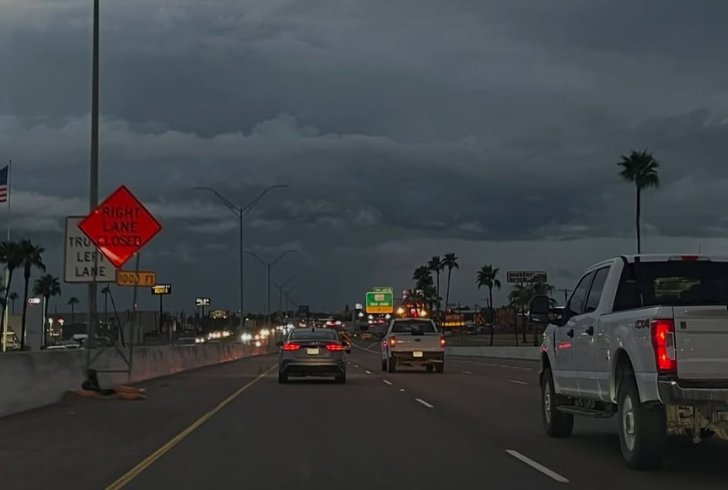
Instagram | @brownsvilletoday | Texas leads the way as cities like Brownsville and Laredo set the standard for safe driving.
Boise, Idaho and Fort Collins, Colorado, also rank among the safest. Their infrastructure supports smooth traffic flow and responsible driving. Cary in North Carolina and Madison in Wisconsin round out the top spots, with drivers showing steady control and caution on the roads.
Top 10 Safest Cities in the U.S.
1. Brownsville, Texas
2. Boise, Idaho
3. Fort Collins, Colorado
4. Cary, North Carolina
5. Laredo, Texas
6. Olathe, Kansas
7. Scottsdale, Arizona
8. Port St. Lucie, Florida
9. Madison, Wisconsin
10. Eugene, Oregon
Each city on this list benefited from consistent declines in collisions, suggesting positive trends in local driving behavior and public awareness efforts.
Boston Tops the List for Risky Roads
While some cities improved their safety records, others showed serious concerns. The city with the highest collision rate in the nation was Boston. That means drivers there are more likely to get into accidents, increasing both risk and repair costs.
Other Northeast cities followed suit. Worcester, Baltimore, and Washington, D.C., ended up close to the bottom. Springfield, Massachusetts, and Providence, Rhode Island, also appeared in the riskiest ranks. California wasn’t far behind. Cities like Glendale, Oakland, and Los Angeles had significant collision rates, pointing to challenges in both infrastructure and traffic management.
Bottom 10 Riskiest Cities for Driving
1. Boston, Massachusetts
2. Washington, D.C.
3. Baltimore, Maryland
4. Worcester, Massachusetts
5. Springfield, Massachusetts
6. Glendale, California
7. Los Angeles, California
8. Oakland, California
9. Providence, Rhode Island
10. Philadelphia, Pennsylvania
Most of these cities share common traits: dense populations, aging roads, and intense traffic congestion—all factors that contribute to more frequent collisions.
Regional Driving Habits – Who’s Getting Better?
Geography seems to play a strong role in how safely people drive. The West Coast and Northeast both struggle with high collision rates, but the reasons vary. While East Coast cities deal with narrow streets and older infrastructure, West Coast drivers often face aggressive traffic and urban sprawl.
Yet, there’s good news for the Pacific Northwest. Cities in Washington, Oregon, and Alaska have shown major improvements in driving safety. Bellevue, Washington, stood out as the most improved city, jumping 133 spots higher than its previous ranking. Anchorage and Portland also reduced their collision rates significantly.
On the flip side, several Midwest cities moved in the wrong direction. St. Louis experienced the sharpest decline, falling 90 places in the rankings. Des Moines and Kansas City also experienced significant drops, underlining the need for a renewed focus on local road safety measures.
What’s Driving the Shift in Safety?
Several factors influence how cities perform in these rankings. Urban development, traffic law enforcement, access to public transportation, and road maintenance all play a part. Yet, individual driver habits remain a major contributor.
Here’s how some areas are stepping up efforts to make streets safer:
Texas Cities Climbing the Ranks
Major metro areas like Austin, Houston, Dallas, and Fort Worth have all improved. Whether through better infrastructure or public safety campaigns, their progress shows that targeted changes can make a difference.
Pacific Northwest’s Safer Turn
States like Oregon and Alaska saw fewer collisions compared to ten years ago. Improved road designs and safety awareness programs helped reduce risks.
Midwest Struggles Continue
While some cities saw gains, others fell sharply in safety rankings. Minneapolis, Omaha, Cleveland, and Indianapolis all dropped. These declines signal a need for stronger traffic safety strategies and local enforcement.
Key Tips for Staying Safer Behind the Wheel

Freepik | Simple choices like slowing down and using smart apps help drivers stay safer every day.
Improving national road safety starts with personal responsibility. Experts recommend several practical steps to reduce risk, boost confidence, and protect lives on the road.
Actionable Driving Safety Tips
1. Stick to the speed limit – Speeding is still one of the leading causes of crashes. Slowing down can prevent costly mistakes.
2. Install a safe-driving app – Programs like Drivewise help monitor habits and reward smart behavior. According to Allstate, users of the app see 25% fewer severe collisions.
3. Choose vehicles with safety features – Cars with advanced driver-assist systems, airbags, anti-lock brakes, and anti-theft technology reduce accident severity.
4. Support young drivers – Drivers under 25 can lower their insurance costs and risk levels by enrolling in certified education programs or maintaining high academic performance.
These everyday steps offer powerful ways to improve individual safety and influence positive trends across entire communities.
Where Safer Driving Makes the Biggest Difference
Driving might feel like second nature, but risks still exist. The difference between a close call and a collision often comes down to habits. Across the U.S., some cities show that when communities prioritize safety, meaningful change follows.
From choosing safer vehicles to embracing driver-assist technology and simply slowing down, individual actions matter. When millions of drivers commit to being alert and respectful, the collective impact is powerful.
As cities grow and roads become more crowded, staying focused behind the wheel is more important than ever. Safe driving isn’t just about avoiding accidents—it’s about shaping safer, more livable communities for everyone.
More inDriving
-
 Credit Acceptance Pays $710 Million to Settle Predatory Auto Lending Claims
One of America’s largest subprime auto lenders has agreed to a massive settlement over allegations that it put financially vulnerable...
October 1, 2026 -
 EV vs. Hybrid vs. Gas | Which Car Works Best for a Road Trip?
A long road trip can reveal differences that city driving often hides. Charging time, fuel stops, highway range, energy prices,...
September 27, 2026 -
 Diesel Prices Exceed Historic $6 a Gallon as Iran War Intensifies
Diesel prices are soaring in the U.S. The national average reached $6.2694 per gallon on September 15, 2026, according to...
September 25, 2026 -
 Adding Your Teen to Your Car Insurance? Costs and Ways to Save
A newly licensed teen can bring excitement to a household, but the first auto insurance bill may bring a surprise....
September 19, 2026 -
 Here’s How Much Spending Money Your College Student Should Get
The tuition is paid, the dorm room is booked, the meal plan is set, and the car is packed. Your...
September 18, 2026 -
 How Much Money Should You Keep in an Emergency Fund?
With everyday expenses remaining high across the U.S. in 2026, an emergency fund can provide a needed buffer when an...
September 13, 2026 -
 How Staying With the Same Car Costs You More in Insurance
Loyalty usually sounds like something a company should reward. Stay with the same business for years, pay your bills on...
September 11, 2026 -
 State Farm Is Sending Out $5 Billion in Dividends. Here’s Who Qualifies
After several years of rising auto insurance costs, some State Farm customers are now getting money back. State Farm has...
September 6, 2026 -
 Nissan’s Big Bet on Aggressive Discounts Is Fueling Sales As Competitors Pull Back
Nissan is spending more money to get buyers into its cars, and the strategy is producing results. While several major...
September 3, 2026 -
 Hyundai Gives Its Wild Baja Santa Fe Render the Green Light
The Hyundai Santa Fe is designed as a practical family SUV, but a new digital rendering gives it a very...
August 30, 2026 -
 Andy Green and JCB Set New Hydrogen Speed Record of 406 MPH
Hydrogen power just had a very fast day in Utah. British land speed legend Andy Green drove the JCB Hydromax...
August 27, 2026 -
 Ford Reveals “Fathom,” Its New Electric Truck With a $29,945 Price Tag
Ford is preparing a new electric pickup called the “Fathom,” with a planned starting price of $29,945 after destination. The...
August 22, 2026 -
 The Median Net Worth for Americans at Age 40 is Roughly $135k, Survey Shows
Turning 40 can make money feel more serious. Retirement no longer seems impossibly far away, housing costs may be substantial,...
August 20, 2026 -
 Michigan Woman Loses $1,000 in Ghost Tapping Payment Scam
Contactless payments have made shopping faster than ever, but scammers are finding new ways to misuse the same technology. A...
August 15, 2026
You must be logged in to post a comment Login