
Sandra Bullock’s Home Invasion (2014)
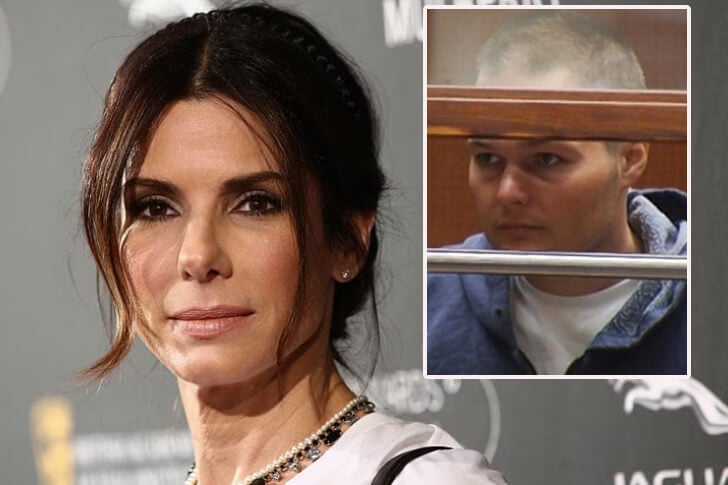
In June 2014, Sandra Bullock discovered Joshua Corbett inside her Los Angeles home while she was there alone, hiding in her bedroom and closet. She barricaded herself in her bedroom and called 911. Corbett had letters expressing a delusional romantic fixation, along with illegal assault rifles, a machine gun, and hundreds of rounds of ammunition. He had also been spotted at her home multiple times before this encounter. Corbett pleaded no contest to stalking and firearms charges. In 2018, while out on bond for violating his probation, he died by suicide as police arrived at his home.
Robert Hoskins vs. Madonna (1995)
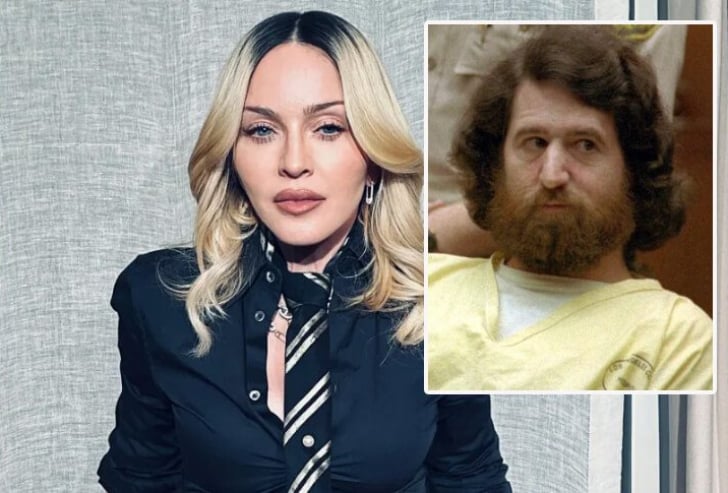
In 1995, Robert Hoskins scaled the wall of Madonna’s Los Angeles estate twice, was warned off the first time by her bodyguard, and returned — telling Madonna’s assistant he was her husband and threatening to “slice her throat from ear to ear” if she wouldn’t see him. Her head of security shot and wounded Hoskins during the second intrusion. Hoskins was convicted of stalking and assault in 1996. Madonna gave highly emotional testimony at trial, describing how she felt he had taken away her sense of safety. Hoskins was deported to Mexico after serving time; he died in 2012.
Rebecca Schaeffer: The Murder That Changed US Law (1989)
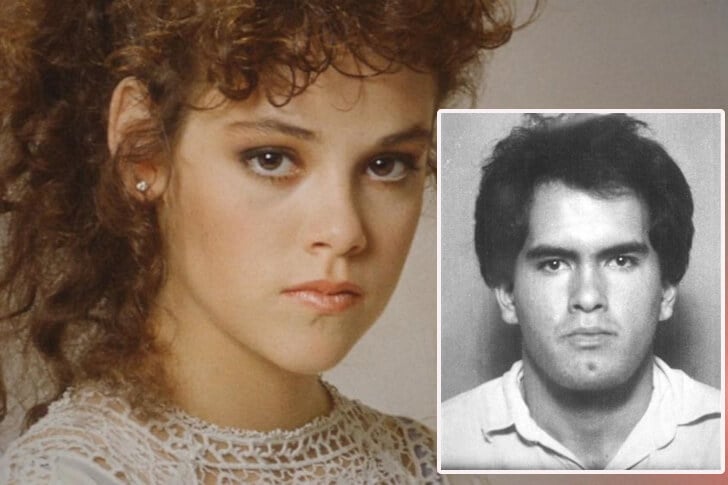
Rebecca Schaeffer, 21, was a rising TV actress (My Sister Sam) when a fan, Robert John Bardo, hired a private detective to obtain her home address from the California DMV — legal at the time. He showed up at her door in July 1989. When she answered, he shot her dead. Bardo had been obsessing over Schaeffer for three years and was rejected when she didn’t respond to his fan letters. He is serving life in prison. Her murder directly led to California’s first anti-stalking law in 1990 and federal legislation restricting access to personal information through DMV records.
John Hinckley Jr. Stalked Jodie Foster to “Impress” Her
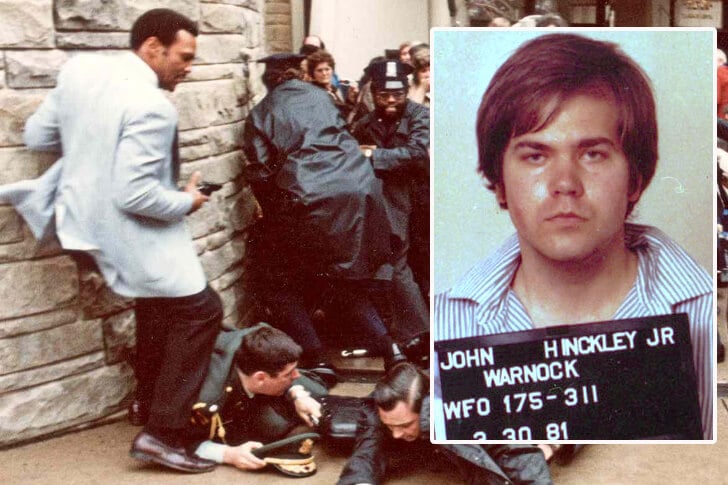
John Hinckley Jr. became obsessed with actress Jodie Foster after seeing Taxi Driver dozens of times. In 1981, Hinckley enrolled at Yale specifically to be near Foster, called and left notes for her — then, to prove his devotion, attempted to assassinate President Ronald Reagan. Reagan survived, but Press Secretary James Brady was permanently disabled. Hinckley was found not guilty by reason of insanity and institutionalized. He was unconditionally released in 2022. Foster never responded to his pursuit. The case produced the Insanity Defense Reform Act of 1984.
Margaret Ray: Dave Letterman’s Relentless Stalker
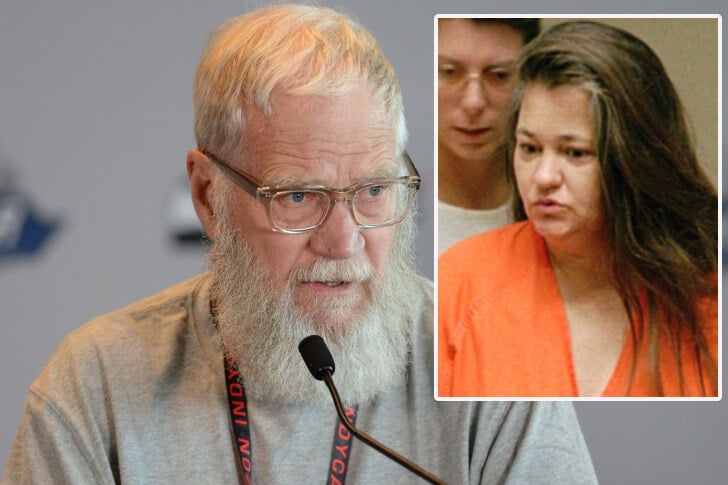
From 1988 until her death in 1998, Margaret Ray stalked David Letterman with a commitment that haunted him for a decade. She broke into his Connecticut home at least eight times, once cooking breakfast in his kitchen, sleeping in his bed, and stealing his Porsche — while telling police she was his wife. She was arrested multiple times, given psychiatric treatment each time, and returned. Letterman spoke publicly about how deeply disturbing and frightening the experience was, despite its portrayal in media as comic. Ray died by suicide on railroad tracks in 1998.
Theresa Saldana: Stabbed by a Fan Who Hired a PI
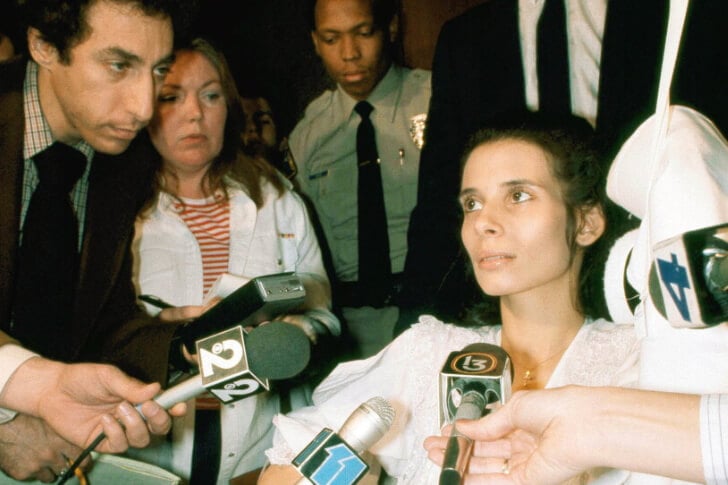
In 1982, Theresa Saldana — a young actress known for Raging Bull — was walking to her car in West Hollywood when she was attacked by Arthur Richard Jackson, a Scottish drifter who had hired a private detective to track her address from the DMV. He stabbed her multiple times before a deliveryman pulled him off. Saldana survived. Jackson sent her love letters from prison for years. Saldana co-founded Victims for Victims, the first anti-stalking organization in the United States. Her activism directly influenced California’s landmark 1990 stalking law.
Amy Boyer: The First Online Stalking Murder (1999)
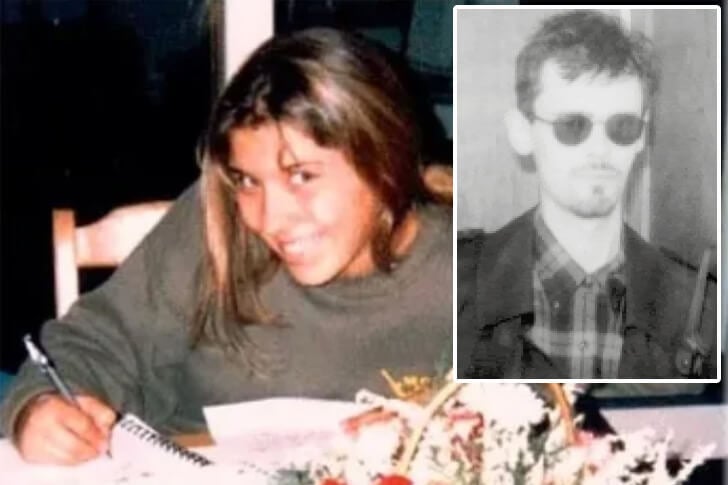
In 1999, Liam Youens found the name of his high school classmate Amy Boyer and built websites describing his obsession with her and his plans to murder her — in plain sight on the early internet. He paid an online firm $154 for her home address and workplace, legally purchased through public record aggregators. He drove to her workplace, waited for her to get in her car, and shot her dead. Youens then killed himself. Boyer’s parents’ advocacy contributed to the Driver’s Privacy Protection Act and new discussions about data broker regulation that continue today.
Christina Grimmie: Shot at Her Own Meet-and-Greet (2016)
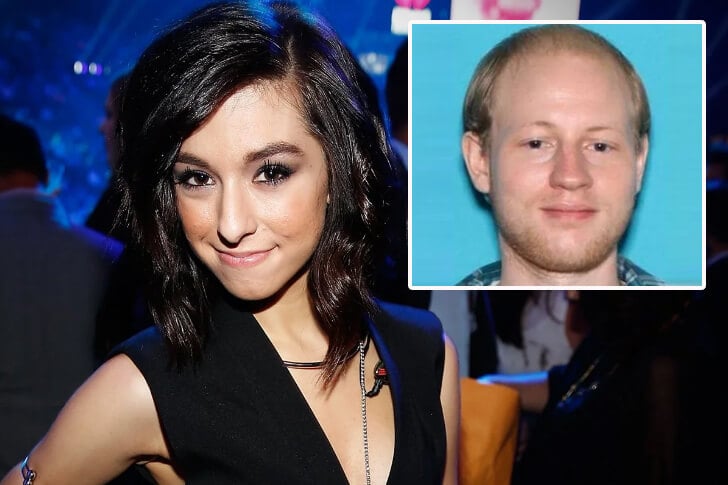
Christina Grimmie was a 22-year-old YouTube star and The Voice finalist performing in Orlando when Kevin James Loibl drove from his home in St. Petersburg, purchased two handguns, and traveled to her concert specifically to kill her. After the show, during a fan meet-and-greet, he shot her at close range. Her brother tackled Loibl; Loibl shot himself. Grimmie died in hospital hours later. Loibl had spent months obsessing over her online. The case ignited urgent conversation about concert venue security and the particular vulnerability of young female performers to targeted violence from fans.
Katarina Witt’s Transatlantic Stalker

Katarina Witt, the East German Olympic figure skating champion, was stalked by Harry Henriksen, an American who spent seven years sending her thousands of letters and packages containing explicit fantasies — escalating in detail and threatening undertones over time. In 1992, he was arrested after traveling to Germany to find her and was found with rope and duct tape. He was convicted under a 1992 California stalking law in one of the first cases to test whether it could be applied internationally. Witt testified at trial in Sacramento in 1995. Henriksen was sentenced to 37 months.
The Surgeon’s Obsession: Stalking a TV Presenter

In 2016, a television presenter reported that a man — a complete stranger — had been following her for months: showing up at her gym, appearing outside her workplace, and attempting contact repeatedly. The case was not ultimately prosecuted under stalking statutes, exposing a common gap: the law required repeated contact attempts that qualified as harassment, but the behavior of those who only follow and observe can be nearly impossible to prosecute before it escalates. Advocates cite such cases to argue that stalking laws still do not adequately address pre-contact predatory surveillance — the period when most victims first sense danger but cannot yet get police to act.