

Americans Spend 3% of Their Income on Car Insurance as Premiums Stabilize but Remain Historically High
Car insurance prices are no longer climbing at the pace seen over the past few years. That is welcome news for drivers who have watched premiums jump sharply since the pandemic. Even so, the relief is limited because the cost of coverage remains close to record highs, leaving many households with a larger insurance bill than they expected.
New data from The Zebra shows that Americans now spend about 3% of their annual income on car insurance. While premium growth has slowed, the impact of earlier price increases continues to stretch household budgets. For millions of drivers, coverage is still one of the highest ongoing costs of owning a vehicle.
Premium Growth Slows, but Costs Stay High
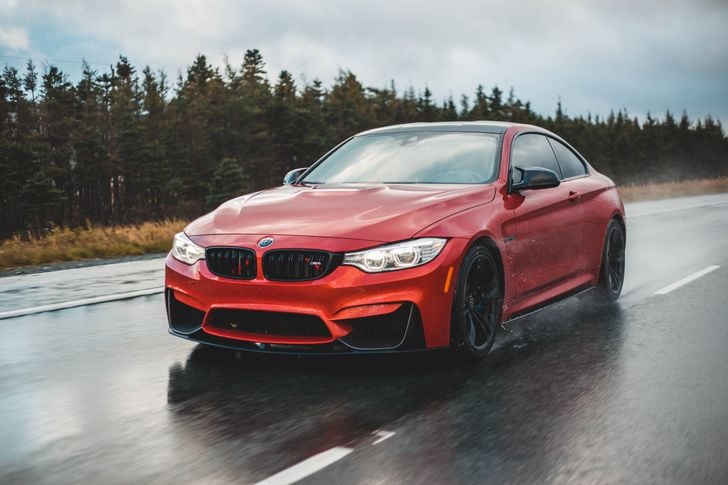
Introspect / Pexels / Average premiums increased by only 3% from 2024 to 2025, a sharp slowdown compared with the 18% jump recorded the previous year.
That change suggests insurers are moving away from the steep price hikes that frustrated drivers across the country.
Even with slower growth, drivers are still paying much more than they did just a few years ago. The Zebra initially projected that the average annual premium in 2026 would reach $2,256. A later report placed the national median annual premium at $2,079, showing that insurance remains a major expense despite the calmer pricing environment.
The national numbers only tell part of the story. Insurance costs continue to vary widely from state to state. Local claim trends, weather risks, repair costs, and traffic conditions all influence what drivers pay for coverage.
The Zebra expects 19 states to see premiums increase during the first half of 2026. At the same time, 13 states are projected to experience lower rates. Oregon, Maryland, and Utah could see increases ranging from 8% to 21%, while Vermont, Minnesota, and Mississippi may enjoy decreases between 6% and 13%.
Where Drivers Feel the Most Financial Pressure?
The Zebra introduced the Zebra Premium Pressure Index to measure how much of a driver’s income goes toward auto insurance. The new metric offers a clearer picture of affordability because it compares premiums with earnings instead of looking only at insurance prices.
Nationally, drivers now spend about 3% of their income on car insurance. That figure climbs much higher in several states where insurance costs have remained stubbornly expensive. Residents of Arkansas, Louisiana, and Florida spend close to 5% of their income on coverage, making insurance a much heavier financial burden.
Louisiana continues to rank as the most expensive state for auto insurance. The state’s median annual premium stands at $3,342, followed closely by Florida at $3,334. Frequent severe weather, high litigation costs, expensive claims, and dense traffic all contribute to those elevated prices.
Some states continue to offer much lower premiums. Vermont, Wyoming, and North Carolina remain among the most affordable markets, with median annual premiums below $1,400. Lower population density, fewer costly claims, and different legal environments help keep prices under control.
Location is Only Part of the Story

Gus / Pexels / Where someone lives is only one part of the pricing equation. Personal driving history, vehicle choice, and financial profile also influence insurance premiums.
Credit score remains one of the strongest pricing factors in many states. The Zebra found that drivers with poor credit pay a median of $1,805 more each year than drivers with excellent credit. In 27 states, having poor credit results in higher premiums than having a DUI conviction.
Vehicle selection also has a major effect on insurance costs. Among non-luxury vehicles, the Nissan GT-R is the most expensive model to insure, with monthly premiums approaching $400. The Ford Bronco sits at the opposite end of the scale, with average monthly premiums around $76.
Driving habits can quickly increase insurance bills as well. Texting while driving leads to an average premium increase of 17%, reflecting the growing concern over distracted driving. Insurance companies continue placing greater emphasis on behaviors that increase accident risk.
Luxury automakers have already started moving in that direction. Companies including Mercedes-Benz, Bentley, and Stellantis are partnering with major insurers to integrate coverage directly into the vehicle purchase process. Industry forecasts suggest the embedded insurance market could exceed $1 trillion in global gross written premiums by 2033.
More inCar Insurance
-
 Credit Acceptance Pays $710 Million to Settle Predatory Auto Lending Claims
One of America’s largest subprime auto lenders has agreed to a massive settlement over allegations that it put financially vulnerable...
October 1, 2026 -
 EV vs. Hybrid vs. Gas | Which Car Works Best for a Road Trip?
A long road trip can reveal differences that city driving often hides. Charging time, fuel stops, highway range, energy prices,...
September 27, 2026 -
 Diesel Prices Exceed Historic $6 a Gallon as Iran War Intensifies
Diesel prices are soaring in the U.S. The national average reached $6.2694 per gallon on September 15, 2026, according to...
September 25, 2026 -
 Adding Your Teen to Your Car Insurance? Costs and Ways to Save
A newly licensed teen can bring excitement to a household, but the first auto insurance bill may bring a surprise....
September 19, 2026 -
 Here’s How Much Spending Money Your College Student Should Get
The tuition is paid, the dorm room is booked, the meal plan is set, and the car is packed. Your...
September 18, 2026 -
 How Much Money Should You Keep in an Emergency Fund?
With everyday expenses remaining high across the U.S. in 2026, an emergency fund can provide a needed buffer when an...
September 13, 2026 -
 How Staying With the Same Car Costs You More in Insurance
Loyalty usually sounds like something a company should reward. Stay with the same business for years, pay your bills on...
September 11, 2026 -
 State Farm Is Sending Out $5 Billion in Dividends. Here’s Who Qualifies
After several years of rising auto insurance costs, some State Farm customers are now getting money back. State Farm has...
September 6, 2026 -
 Nissan’s Big Bet on Aggressive Discounts Is Fueling Sales As Competitors Pull Back
Nissan is spending more money to get buyers into its cars, and the strategy is producing results. While several major...
September 3, 2026 -
 Hyundai Gives Its Wild Baja Santa Fe Render the Green Light
The Hyundai Santa Fe is designed as a practical family SUV, but a new digital rendering gives it a very...
August 30, 2026 -
 Andy Green and JCB Set New Hydrogen Speed Record of 406 MPH
Hydrogen power just had a very fast day in Utah. British land speed legend Andy Green drove the JCB Hydromax...
August 27, 2026 -
 Ford Reveals “Fathom,” Its New Electric Truck With a $29,945 Price Tag
Ford is preparing a new electric pickup called the “Fathom,” with a planned starting price of $29,945 after destination. The...
August 22, 2026 -
 The Median Net Worth for Americans at Age 40 is Roughly $135k, Survey Shows
Turning 40 can make money feel more serious. Retirement no longer seems impossibly far away, housing costs may be substantial,...
August 20, 2026 -
 Michigan Woman Loses $1,000 in Ghost Tapping Payment Scam
Contactless payments have made shopping faster than ever, but scammers are finding new ways to misuse the same technology. A...
August 15, 2026
You must be logged in to post a comment Login