
Africa, for the most part, is crippled by poverty, hunger, famine, and disease, in large part due to its savage exploitation by industrial nations. The continent has seen its fair share of civil wars and mass exoduses as well. And when people think of African countries, a grim image is sure to pop up in their minds.
Today, we’re going to explore a different side of Africa, one of light and hope. This is the story of Jany Deng, an African boy who was born in South Sudan. He faced many struggles as a young orphan and experienced days of hunger and life in refugee camps. Until one day, his life changed. A new family took him in and loved him for who he was – scars and all. This is their tale too. Let’s begin!
The Lost Boys Of Sudan: The Country’s 20,000 Child Migrants
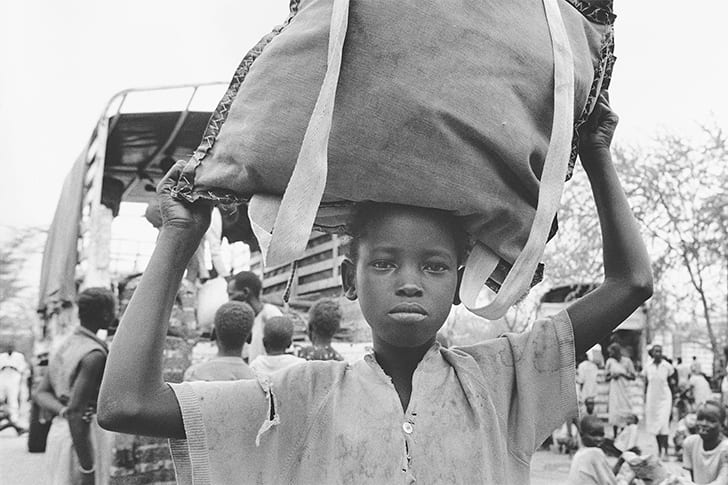
War was truly rampant in Africa during the late 1900s. Sudan’s civil war broke out in 1983, lasting for 21 years and 7 months. It resulted in the mass migration of over 20,000 children, mostly young boys like Jany. They walked for months to survive, escaping from gunfire, hunger, and many other dangers in their war-torn country.
They settled either in Ethiopia and Kenya and lived most of their childhood in one refugee camp or the other. The boys later settled in the US and most of them are found in Phoenix, Arizona. These boys came to be known as the lost boys of Sudan.
Jany Deng Walked 2,000 Miles To Get To Safety
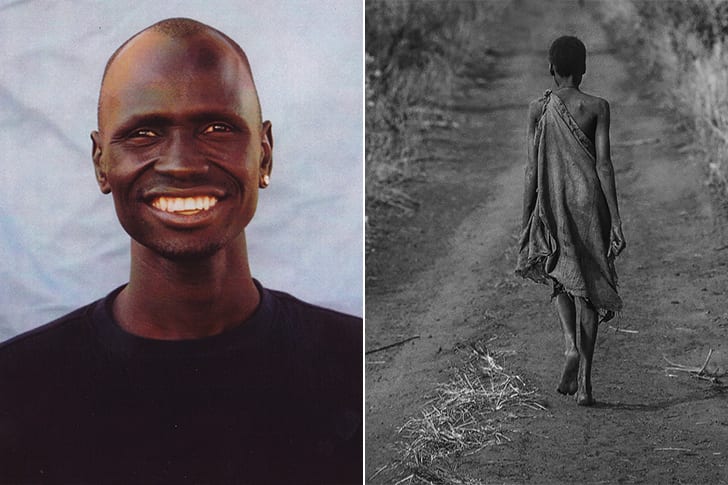
Jany Deng was only 8 when war broke out in his homeland. He became an orphan, so he left the country. He walked for over 2,000 miles to Ethiopia with little to eat or drink. He claimed that they had to walk for “a month, a day, a year,” just wondering where they could get safety.
Several months later, Deng and other boys got to a refugee camp where they stayed for several years. That’s where he saw many orphaned children like him die because of starvation and various diseases. Life at the camp was nowhere near the life he was looking forward to having. And soon, he would have to leave.
Traumatized And Alone In The U.S.

A stranger in a new land or society will always seem to have to face troubles. The local boys from North-Eastern Africa needed to adapt to the standard of the United States of America. They needed to know the customs, learn the language, and obtain an education. Some got the chance to learn, while others did not.
Due to what they had seen, some of the boys weren’t mentally stable. And as childhood trauma already haunted them, some people around them couldn’t even understand the gravity of what they were going through. But despite their hardships, there were still those who turned out to be a worthy addition to society as Jany did.
He Was Once A Jokau Boy Who Had No Idea How Cruel Life Can Be
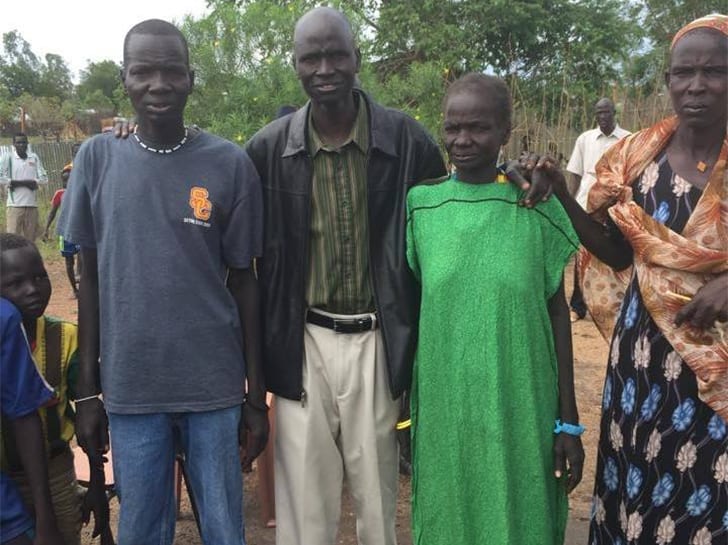
Jany Deng was born on March 15, 1975, in a town called Jokau in South Sudan. At the time of his birth, Sudan was a peaceful place, without war. He had a normal life like everyone with his brothers and sisters. He was innocently immersed in the simple adventures of being a local Jokau boy.
He didn’t go to school; instead, he learned from his father as he was growing up. And although his mother died in 1981 when he was just 6, he still relished his childhood with his family until all the misfortunes began unfolding in 1983. That’s when life began to show him an ugly, terrible face.
His Village Was Bombed To Smithereens
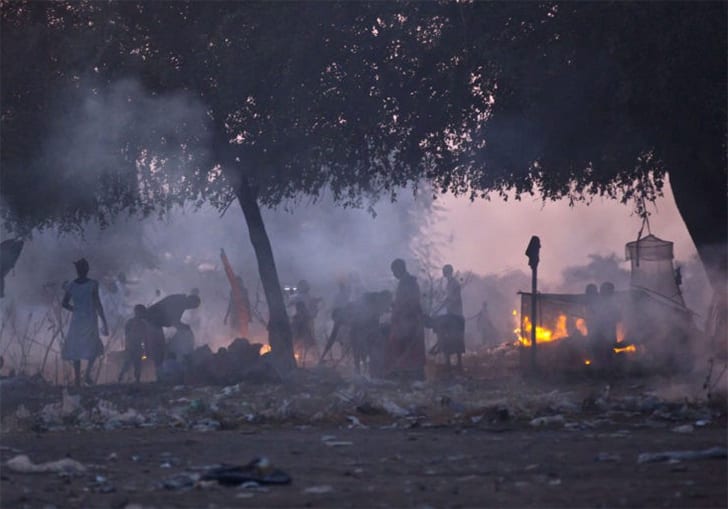
The second civil war broke out in 1983. He was 8 years old at the time, and the war changed his life tremendously, along with everyone in his village. He had few choices to make, and each one would impact his life forever. As a small boy, he devised a plan to survive all the bombings.
When Deng saw the first fire in his village, he immediately knew that it was a no-go area. He left his village to its fate and moved away with no idea of where to head next. He walked randomly, not knowing what tomorrow had in store for him. But where there is life, there is hope.
You Shall Not Pass! Disappointment & Rejection After A Four-Month Trek
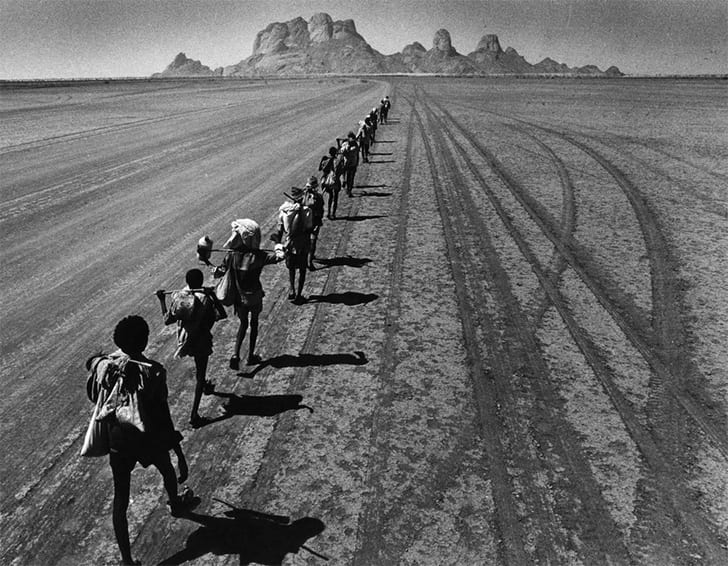
Deng walked 2,000 miles to Ethiopia, following the footsteps of Nelson Mandela’s long walk to freedom. But as war broke out again in 1991, he had to to take yet another road. This time, Jany walked 2,500 miles, and it took him four months to reach his destination: Kenya.
However, when he and the others got there, the Kenyan government rejected them. The United Nations decided to move them to another location because of this, but the Kenyan government later allowed them to settle in a refugee camp. He had no idea that this experience would turn him into one of Sudan’s most distinguished refugees.
A Miracle In Darkness: Jany Finds His Brother
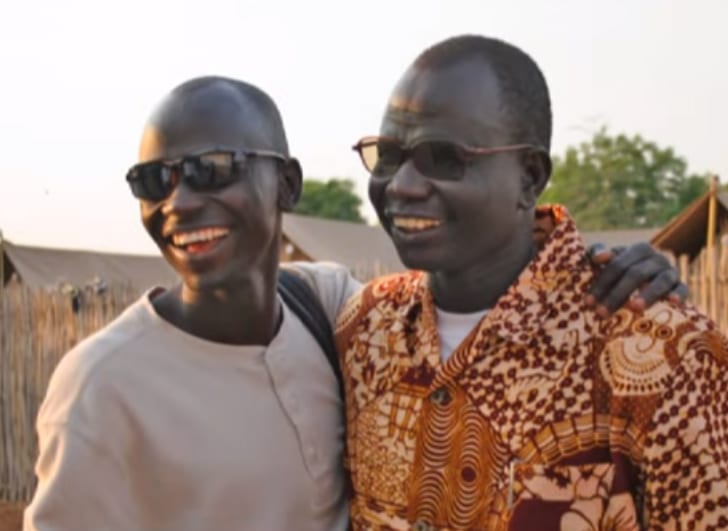
After a long struggle, a miraculous moment befell Jany. Among hundreds of refugees in the camp, he recognized his elder brother Simon! Jany was only 3 years younger than his brother, and Simon has also been surviving on his own exactly like him. The moment of reunion between the two brothers was full of emotion.
Although they had difficulty reading and writing, they managed to apply for refugee status together. The officials used to post the names of the children who were accepted for refugee status on a piece of board. When they found their names on the board, the brothers cried with happiness.
They Were In For A Culture Shock In America
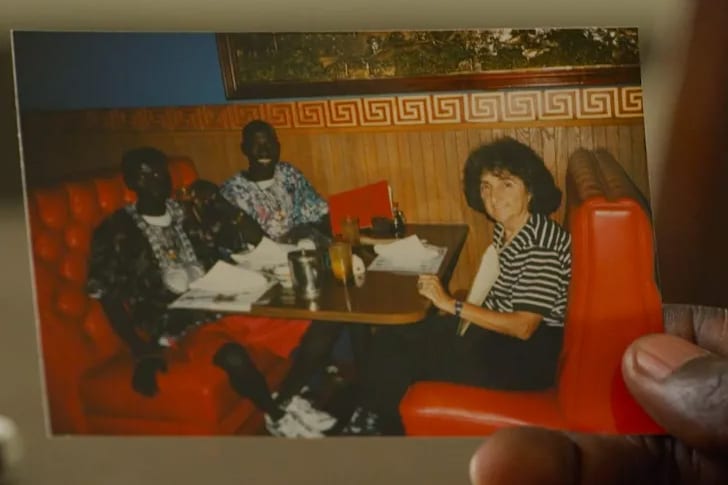
Jany was a local boy from Jokua who received little to no education about Western culture. He had grown up jumping from the back of one cow to another and didn’t know the customs of the USA. Deng was lucky that his foster mother was very kind, and she helped him out on every occasion.
Deng was happy that he got someone willing to teach him all that he needed to learn. He believed there is goodness in the world, and people were ready to offer it to him whenever he requested for it. He glorified his foster mother as a remarkable and nurturing woman.
Deciding To Pay It Forward
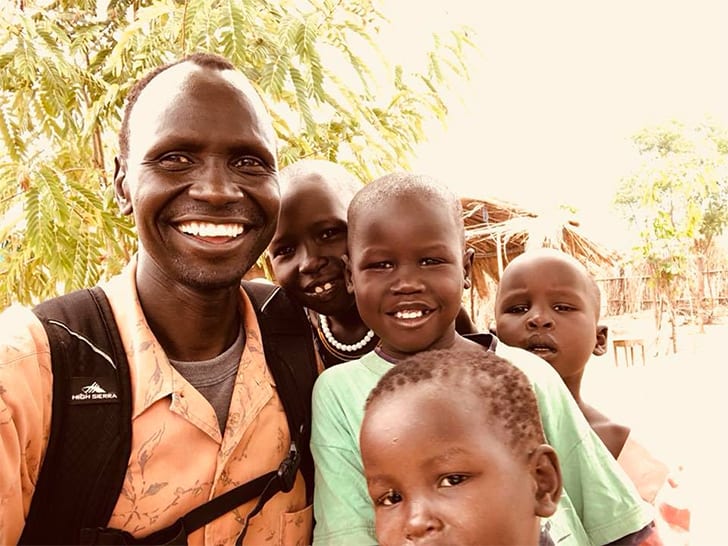
When someone receives help in an unexpected way, their heart is filled with gratitude. Something similar happened with Jany Deng. With all the help he received from his foster mother and the people living around him, Deng became a much better person. He was healed from the inside.
He was no longer the Jokua local boy; he was now much more than that, a man tempered by the wisdom he acquired over time. This time, he was ready to take on the world. Deng decided to help people with what little knowledge he had. He felt that human beings should help each other if they are in any position to do so.
His Brother Wasn’t As Fortunate…
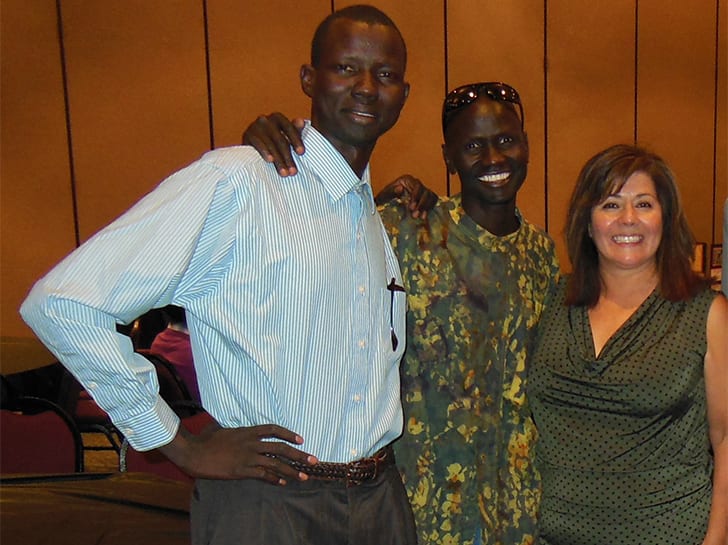
The help and support given by various families from Arizona made it easier for Jany to rebuild his life. So, even though that stability came after a lot of hardship, it was all worth it in the end. His brother Simon, wasn’t as lucky though. He ended up facing post-traumatic stress disorder, and later, turned to violence.
Simon was gunned down by the police when he opened fire at the Catholic social services office. Many refugees were moved to other cities and got settled there, but Jany stayed in Arizona as this was the place he’d built his new life. Moreover, he got his bachelor’s degree from Arizona State University.
The Ugly Reality Of Racism In America

Racism was rampant in America during those days, and in many parts of the country, it still is. People degrade dark-skinned people. In 1995, when Jany came to America as a young black man, he had to struggle a lot. It was difficult for him to feel accepted into society and learn about the local culture and language.
Racist ideas and behaviors made everything difficult for him. But he still managed to find the silver lining and love the place he would call his new home. Eventually, many people helped him out. He says that America is the place where you can be whatever you want to be.
Kick-Starting The Arizona Lost Boys Center

Jany played a major role in setting up a center dedicated to helping fellow lost boys. In 2002, The Arizona Lost Boys Center was established with the main goal of providing assistance and help for all Sudanese lost boys in the country. Initially, they aimed to support basic refugee resettlement issues.
But evolution came quickly to the needs of The Arizona Lost Boys Center. They started addressing the educational and employment needs of both male and female African refugees. They also began providing college scholarships, citizenship classes, language training program, workforce readiness programs, and job placements.
Their Stories Translated Into Theater
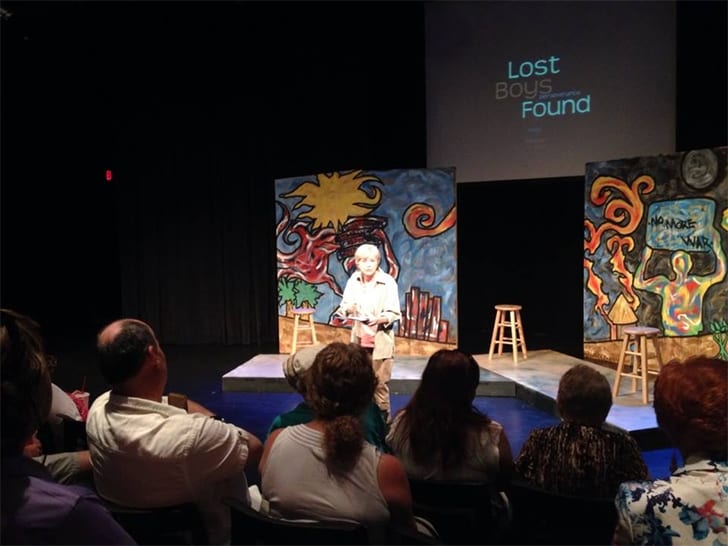
Unbeknownst to Jany, Julie Amparano Garcia, an acclaimed writer, had been researching the “lost boys”. She wanted to revive their stories in the community, as they were fading from memory. So, when they met, the writer was intent on gathering all historical facts and know as much as he could about the lost boys. Her goal was to convert their untold histories into a play.
She wanted the play to serve as a fundraiser for the center. After a lot of researching, she held workshop performances of the play Lost Boys Found. This play was based on the true events that happened in the lost boys’ lives. All the money earned from this play was used for education purposes in South Sudan.
Offering A Helping Hand To More Sudanese People
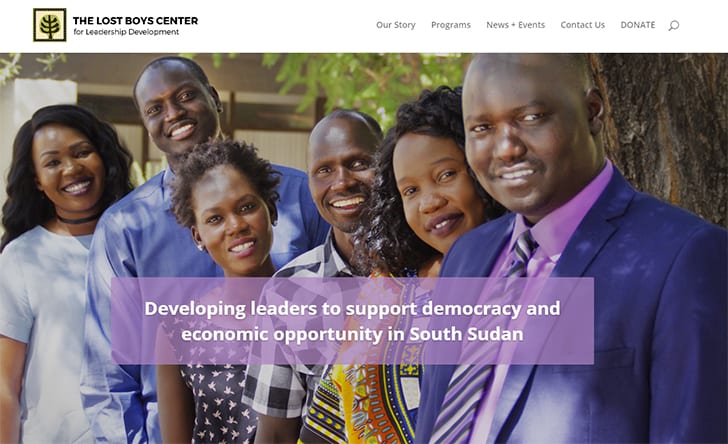
Now, the biggest center for the Lost Boys community – which Jany helped found – is shifting its focus to the newly-formed Republic of South Sudan. In 2012, The Arizona Lost Boys Center launched the new year with a change of name. It is now known as the Lost Boys Center for Leadership Development.
They offer many programs, including youth leadership initiative, roots connection, cultural exchanges, English as a Second Language (ESL) classes, citizenship classes, and legal issues awareness training courses. The lost boys are ready to go back to their country and build a brighter future.
Schools Invited Jany To Teach Compassion
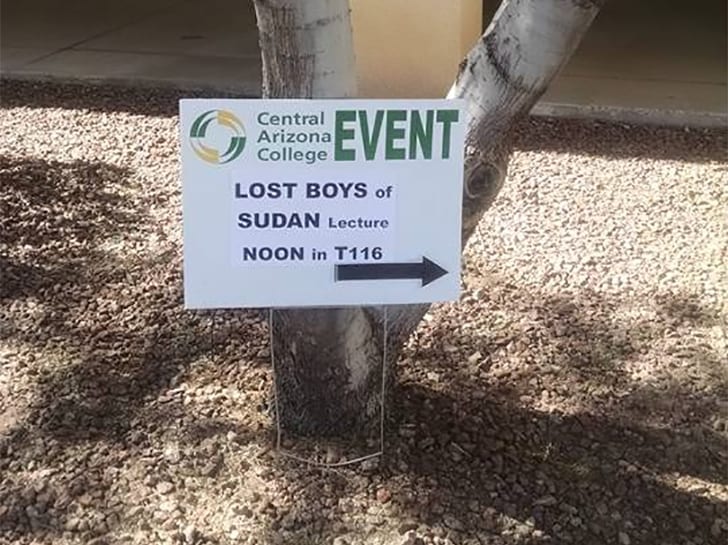
There’s nothing that motivates people more than a good story, and Jany’s story is among the best. Since Jany Deng’s fortunes turned and he started progressing in life, more and more people found out about him and got inspired by his life’s journey. Schools started inviting him and other lost boys over to discuss their struggles with the students and to inspire them to aim high.
Today, Deng and other lost boys have become regular visitors to schools in Maricopa County. They’re invited there to give presentations about their lives as children in Africa and to teach American children about the hardships kids face there. The aim is to develop compassion and solidarity in American students for the less privileged children of the world.
The Lost Boys Organize Fun Camping Trips
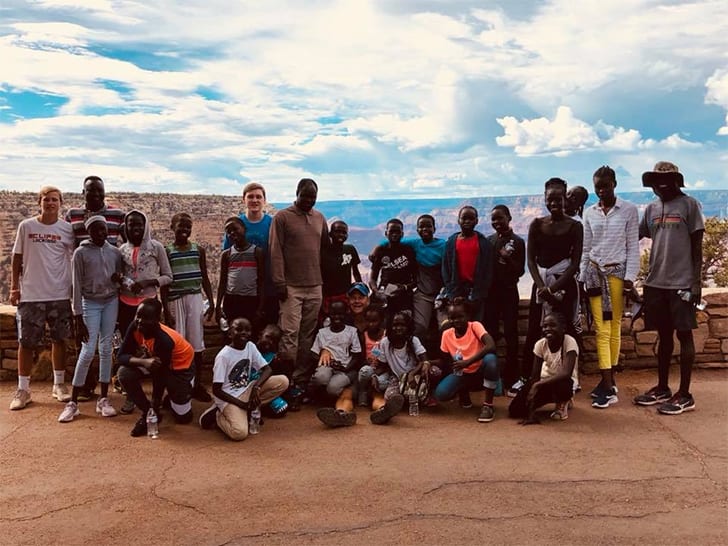
Far from their walks for food and water, the lost boys today organize fun trips for new refugees who’ve taken shelter in the Lost Boys Center. It’s a beautiful way to help the children feel safe and happy in their new environment and to connect with their new surroundings.
The Lost Boys Center keeps posting updates of their yearly summer camp trips on their website, and the photographs are a treat to see. The trips include a great many fun activities including teaching the children about nature and animals. Their horizons broaden through these trips, and that’s precisely how the center likes it.
Learning Never Ends For Jany Deng
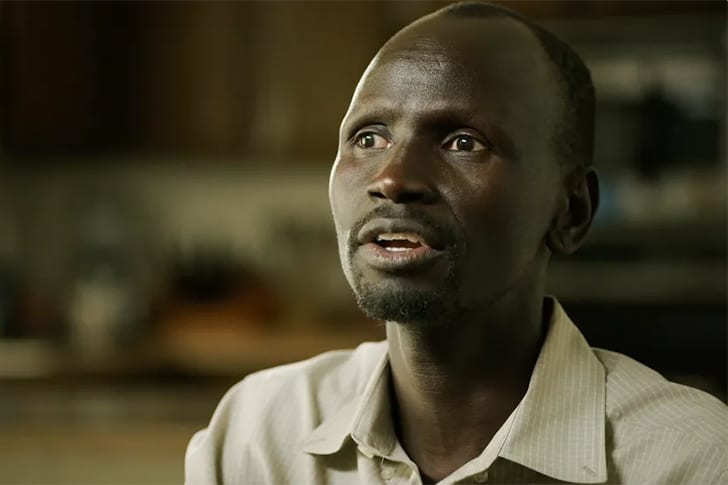
Thanks to the great support from the American community, Jany has now been very successful in rebuilding his life. His goals now are to help South Sudan invest in peace, sustainability, and education. Soon, Jany is going to start with a graduate program at ASU’s W.P Carey School of Business.
He will also continue his work at the Lost Boys’ Center aiming towards more improvements. His efforts will surely help tilt the scales toward peace in South Sudan, as he aims to bring the happiness he found in the U.S to his original home. This is, after all, where he learned gratitude.
He Wants To Return To Sudan
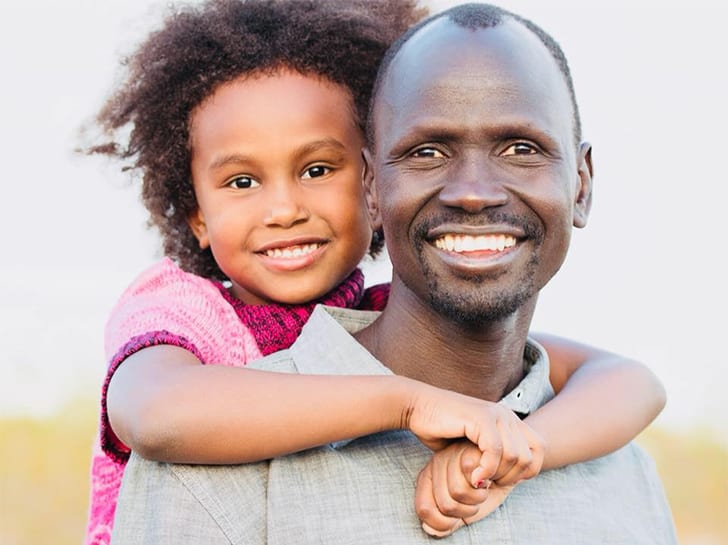
Jany says that his first country is America since here he found a peaceful and loving home. But he hasn’t forgotten his roots. His second country is South Sudan, where he wants to go back to educate the children and youngsters, so that they live according to the realities of the modern world.
According to him, South Sudan requires good leadership, and that’s what he sees himself doing for the people there, especially the children. Today, he has a family of his own with a little daughter named Nyateng, who keeps him busy. Most of all he wants to be a role model for her and give her everything he didn’t have.
Jany’s Has An Entrepreneurial Side Too
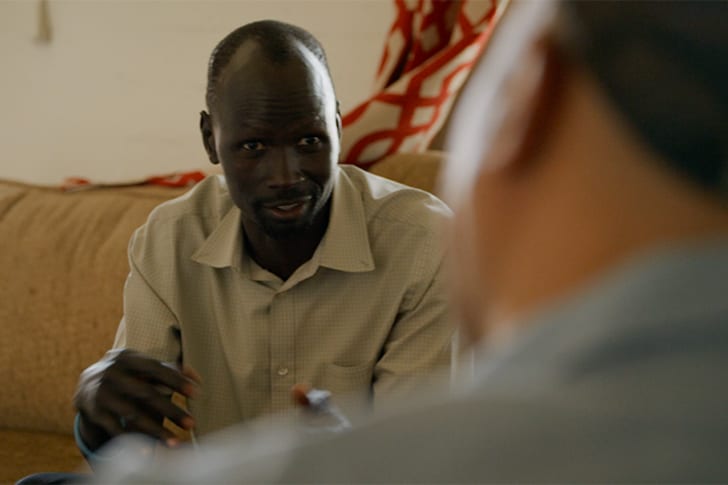
In 2009, Jany founded Dengenterprises to help other lost boys like him. The organization is dedicated to serving the needs of the refugees by offering them a better chance at rebuilding their lives. People who’ve worked with Jany claim that he is a terrific person with high ethical standards. He’s intelligent, a hard worker, and will persevere until he gets the job done.
Deng is also penning an autobiography to inspire others that they must not give up, even if life throws hardship their way. His words have already inspired thousands and hopefully, will inspire more in the future.
The Lost Boy Turned Motivational Speaker
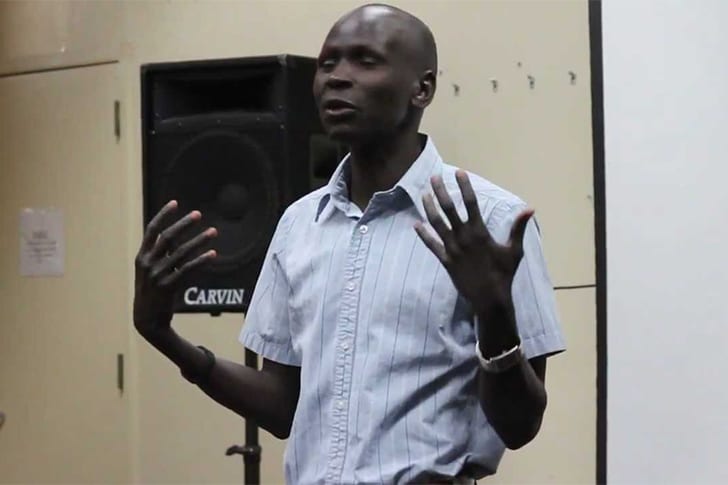
Often appearing in TED talks, Jany Deng is leading by example. His struggle and final triumph in life continue to inspire people like him to overcome their hardships and emerge as winners. He has now started speaking at events to inspire and motivate people to overcome the hurdles in their lives.
His story is a perfect example for everyone that hard work and determination often reward you with a better future. Whenever you feel that your life is becoming difficult, just think about the struggles that Jany and the lost boys have endured over time.
An Awful Past That Sculpted A Beautiful Present
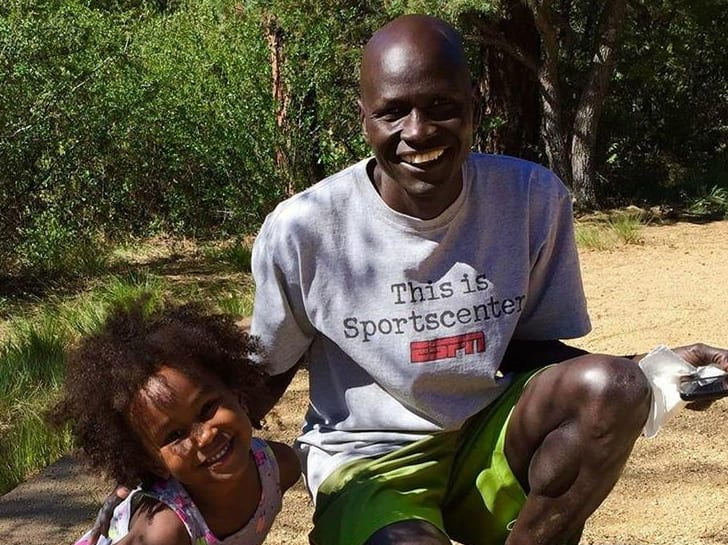
Jany Deng is a role model for all those African children who come from a troubled past. War, hunger, abandonment, racism; he has faced them all, and he has emerged stronger. His trials in the past have sculpted his beautiful present, and he is every bit as thankful to all the people who’ve helped along the way.
His story is an example to us all. It proves that regardless of how many difficulties we go through, what matters most at the end of the day, is keeping hope alive. If we have hope and perseverance, we are sure to survive the toughest of times. Just like Jany Deng.