
History books tell all about how things took place. However, they say that a picture is worth a thousand words. Therefore, we have compiled some historical photos of the United States in the 19th century. This was a time of fast change in numerous areas—from social customs and politics to machinery inventions and economics.
As things changed throughout the country, the distribution of the population broadened and expanded. These were the first steps towards the foundation of great cities all over the US. Let’s take a look at some of the rarest photos of this great past, that show us how much things have changed since those times.
The Niagara of the West – 1868
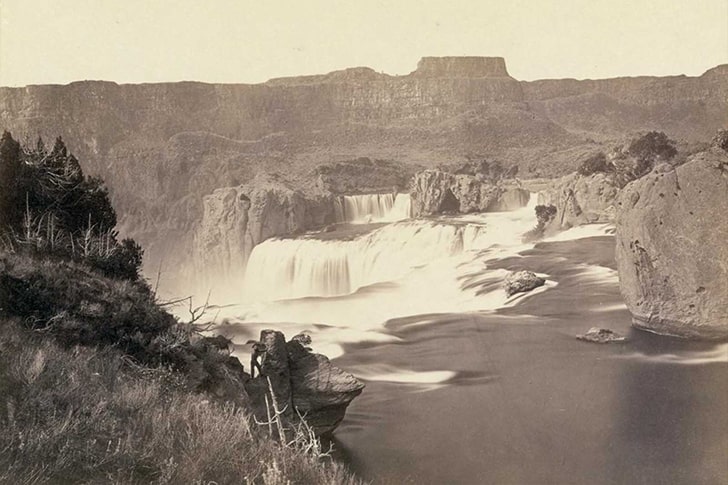
The true beauty of the Shoshone Falls can hardly be admired in a sepia picture. The colors and magnificence of this place are much better appreciated through a modern camera. However, people in the 1800s got to create a mental image of this place thanks to pictures such as this one, which was taken in 1868.
Located in Idaho, people back then would be astounded by what they found once they made the trip. Nowadays, it’s often called The Niagara of the West due to how impressive it is. The Shoshone Falls is also near Twin Falls, a city that becomes the perfect place to stay the night while visiting this spectacular site.
Creating a Survey For Posterity – 1867
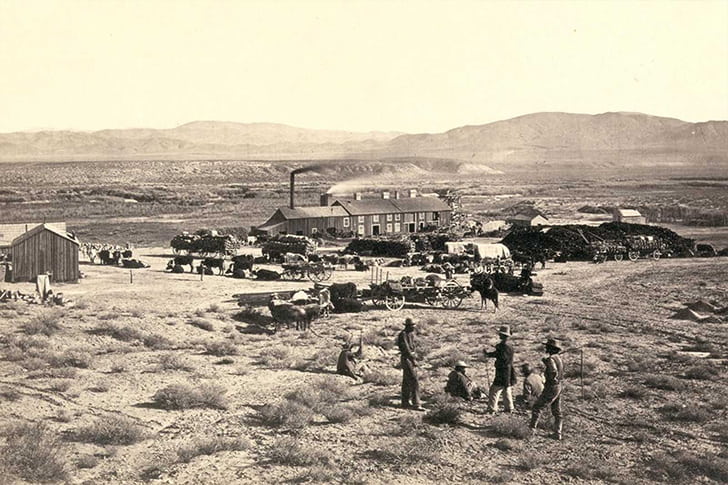
Clarence King was a well-known geographist and explorer who made great contributions to the United States. This was thanks to his accurate descriptions of the geography of the West. In 1867, he went from California to Wyoming taking detailed notes of the area for what was called the Fortieth Parallel Survey.
Thanks to his dedication to his work, he was considered an eminence. One of his most famous achievements was revealing a scheme involving diamonds in 1872 by discrediting an alleged mine. Here, we can see part of his team during the Survey of 1867. King was later instrumental in the consolidation of all existing surveys.
A Church that Still Stands Today – 1873
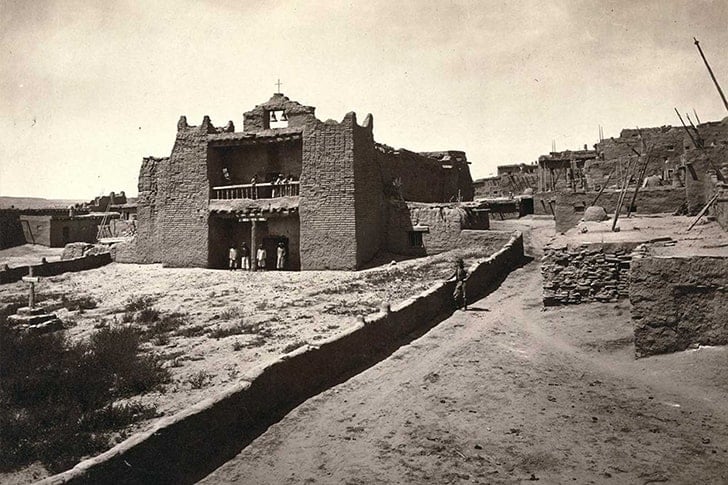
This church that was allegedly built in the 1600s still stands to this day. This makes it one of the oldest churches in the United States. This picture of Old Mission Church was taken in 1873 when it was still free. Nowadays, visitors need to purchase a pass that allows them to take photos outside.
Photos of the inside of Old Mission Church are not allowed. However, it’s known that there are beautiful Zuni murals to be admired. Located in the state of New Mexico, it’s a place to visit and feel the remnants of history in our bones. Textbooks cannot express the timeless nature of this place.
Exploring Wind-Shifting Dunes – 1867
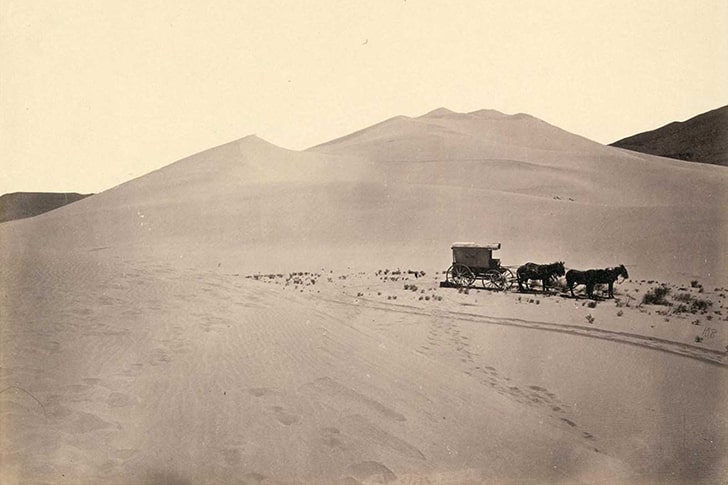
Timothy O’Sullivan is recognized for his great work as a professional photographer during the 1800s. His depictions of the American Civil War and the Western explorations are considered a work of art. They’re also thought of as an invaluable part of history. This picture of Nevada’s dunes is a perfect symbol of the times.
These were uncharted lands with much mystery to them. A wagon with four mules and not much more to see is a perfect description of the uncertainty that explorers faced. Furthermore, we can see Sullivan’s footsteps, which add an even more profound feel of discovery and loneliness to this phenomenal picture.
Conquering the River in St. Louis – 1852
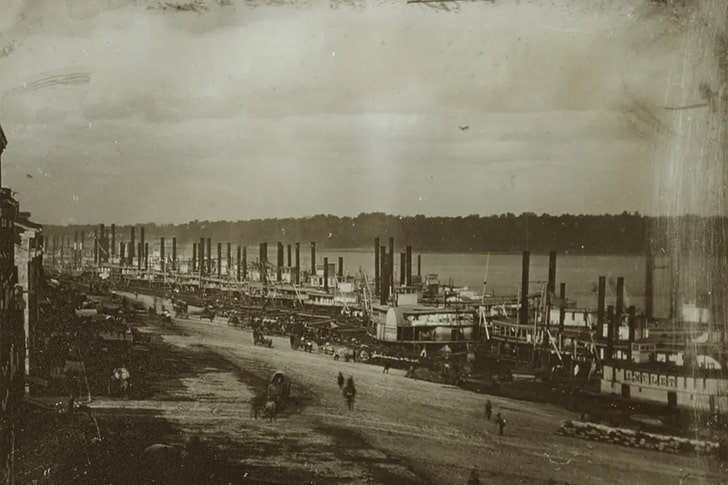
Levees are another example of man trying to mold nature to their needs. By managing the river and preventing its overflow, inhabitants of St. Louis made sure that they could install the wholesale stores that can be seen in this daguerreotype photo. The picture was taken by Thomas M. Easterly in 1852.
Thanks to this, St. Louis became a thriving port and the levee continued to grow over the years. To avoid an accident and overflow of the river, constant maintenance has been needed. However, there have been alarming cases over the years that have shown that the necessary measures were not taken correctly.
The Waters of the East – 1863
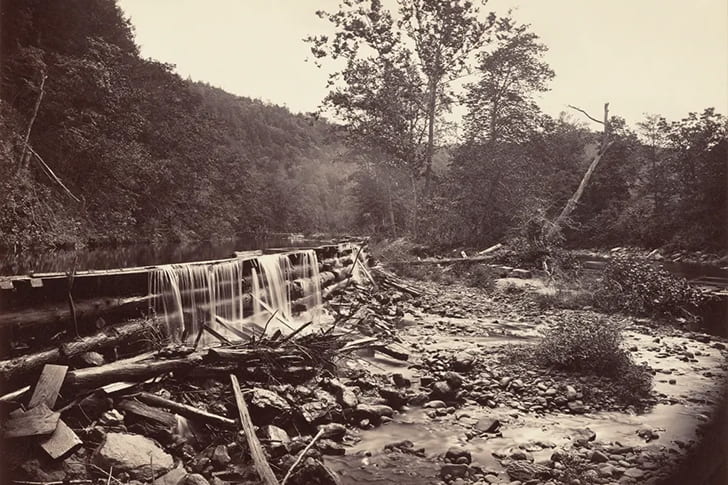
Despite the fascination that the West caused in explorers and photographers, the East was also an area where quick growth was taking place. Therefore, photographers also ventured to this part of the country to capture the growth of the population as well as the consequences these advances had in nature.
This is Brodhead’s Creek located in Delaware, Pennsylvania. Nowadays, it’s part of the Delaware Water Gap National Recreation Area where visitors can enjoy kayaking, fly-fishing, as well as other activities. Numerous people do their workout near the creek, which allows them to stay connected with nature in this modern world.
Making Room For Railways – 1862
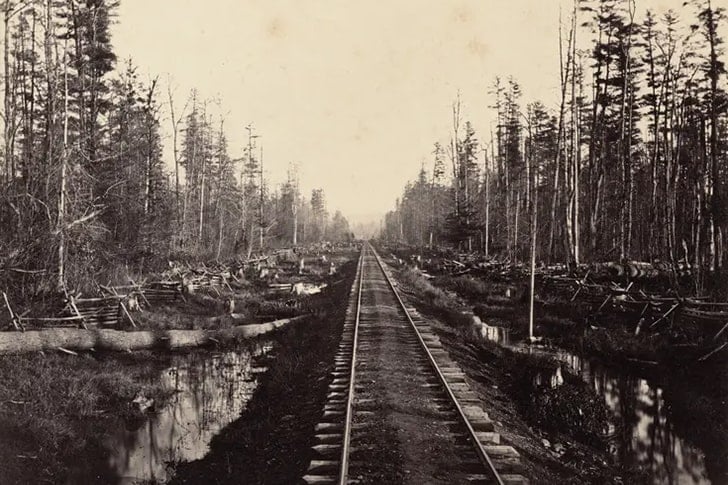
As humanity expands its reach, nature is often modified to make space for our inventions. This is a picture of a segment of the Atlantic & Great Western Railway. Taken in 1862, it’s easy to see that numerous trees have to be taken down to make room for the railway to be built.
The construction of this railway is a story of convergence. Three different companies united forces and, through a board of representatives, became one company that took on a mortgage. This venture resulted in a bigger railway network that reached more cities, facilitating travel and industry growth.
An Immense Source of Energy – 1886
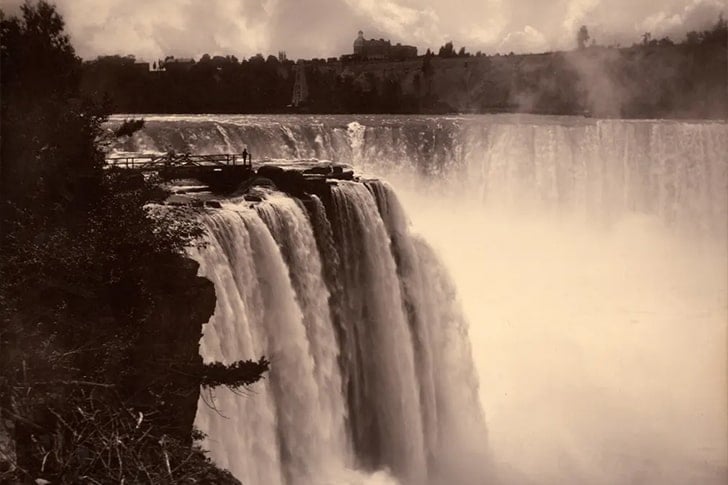
In 1886, the first plans to turn the Niagara Falls into a source of electric power started to take place. Thomas Evershed, who had gone to university to become an engineer, proposed a plan that would start to tap into the potential of the falls as an immense source of energy.
However, there were many obstacles to Evershed’s plan as it was considered too ambitious during that time. Today, the Niagara Falls is a great source of energy as well as one of the main tourist attractions in both the US and Canada. With millions of people visiting every year, the tourism industry earns billions in revenue as well.
Cementing The Bases of The Future – 1891
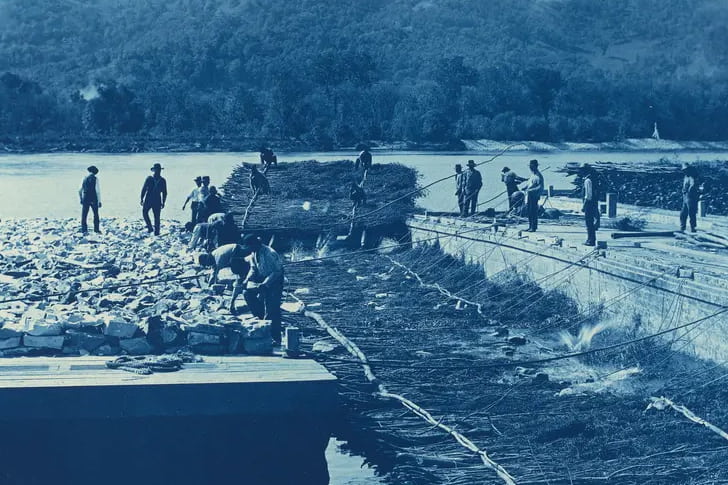
One of the most interesting characteristics of this era is the fact that everything was under construction in a completely raw environment. While there were buildings that had been standing for hundreds of years in Europe, America was then still a very new country with many territories to discover.
This allowed photographers such as Henry Peter Bosse to immortalize the events that cemented the bases for future generations. These primary efforts to adapt nature to our needs required not only a designer but people willing to work their entire lifetime with the hope of leaving an easier world to their descendants.
The Beginnings of Healthcare – 1865
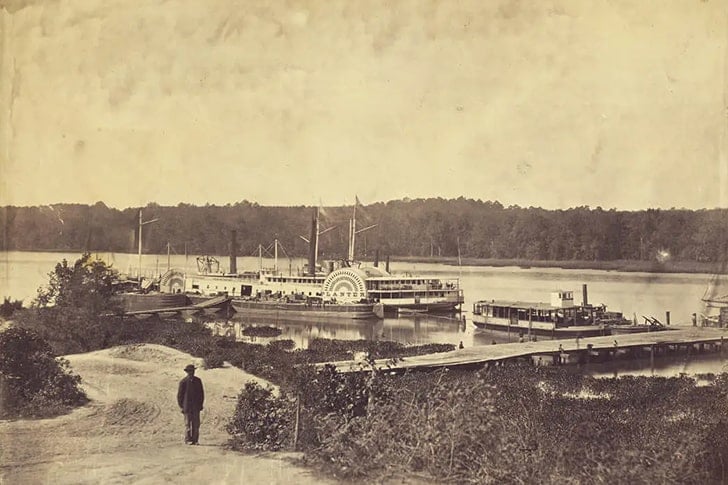
As the country’s population grew and traveled around the continent, their medical needs also evolved. More often than not, certain items had to be brought from one place to another. Therefore, one of the preferred methods to do this was using medical supply boats such as the one seen in this picture.
The boat called Planter brought supplies to Virginia and docked on Appomatox Landing in January 1865. In the 21st century, we now have hospital boats that are deployed to areas in need in case of catastrophe or crisis that require urgent medical attention. Medical attention has greatly evolved since then.
Towns Grew On Every Terrain – Approximately 1840
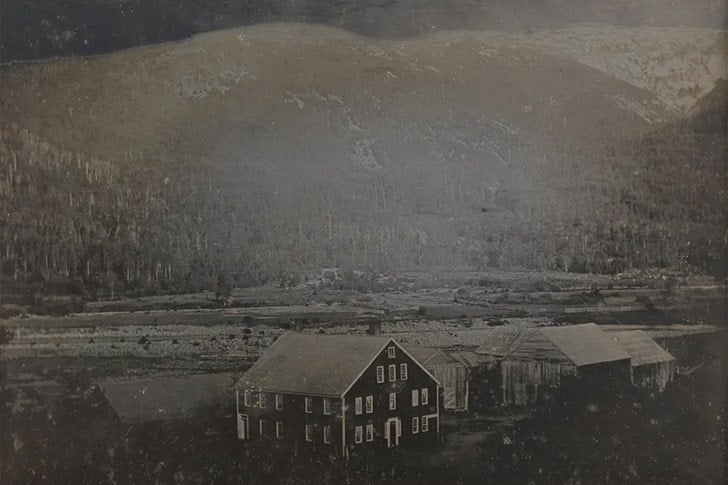
New Hampshire winters are some of the harshest in the country. However, this didn’t stop its population from growing and continuing the development of the area. Samuel Bemis, a dentist, took on photography as a hobby for a year and captured some beautiful photos that showcase this period.
Here, we can appreciate the breathtaking landscape of New Hampshire, which looks very idyllic with the mountains surrounding the small population settlement. Although Bemis quit photography after that single year, he managed to capture spectacular images that are preserved to this day. Bemis later lived as a recluse, isolated from the world.
A Boat Heading Towards Tragedy – 1859
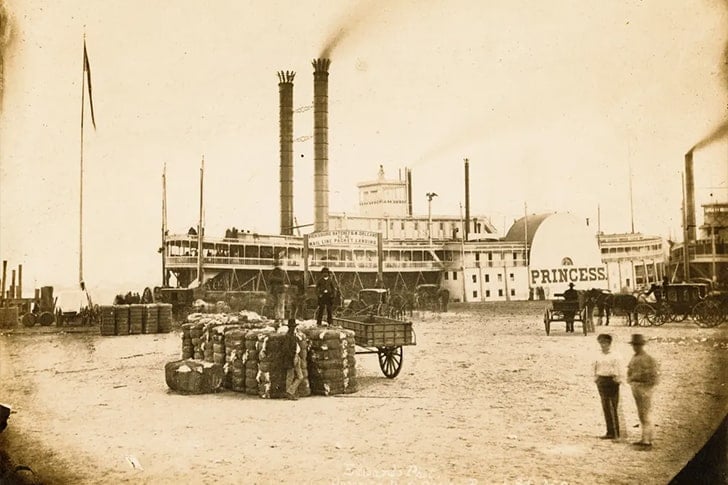
During an era in which railroads were quickly replacing steamboats as the preferred method of transportation, there were areas like New Orleans and Mississipi where steamboats continued to rule. This was due to the abundance of rivers in those areas that allowed for quick transport.
This is perhaps one of the last pictures ever taken of the steamboat Princess. Unfortunately, the boat tragically exploded in February 1859, injuring hundreds and killing dozens of people. It was deemed an accident caused by human error as, due to time constraints, the machinists didn’t keep the temperature of the boilers sufficiently low.
An Environment to be Preserved – 1864
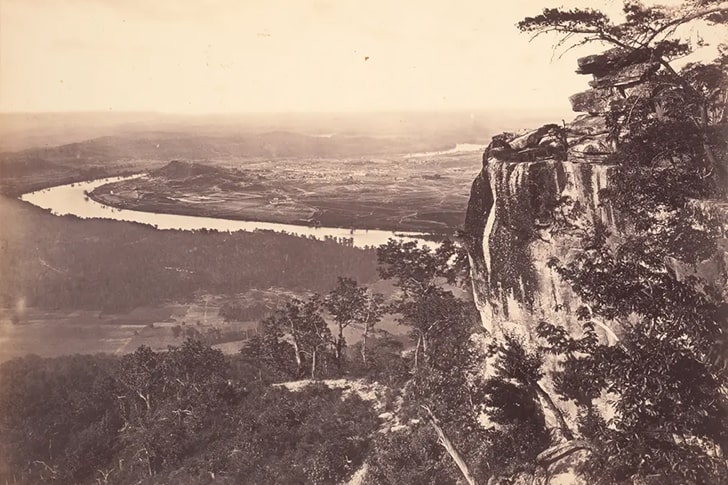
The idea of preserving nature against the changes of industrialization is not a new one. Here, we can see a picture from 1864, when the industrial revolution was taking over the country. Photographer Isaac H. Bonsall shows an untouched part of the country, which could be considered in danger of disappearing soon.
However, Bonsall did much more than capture landscapes. He was very active during the Civil War, taking pictures of soldiers as they dealt not only with the enemy but also the rough and unforgiving terrain they often had to face. Furthermore, their health was often affected by disease before bullets could pierce their bodies.
An Enticing Picture For Tourists – Approximately 1867
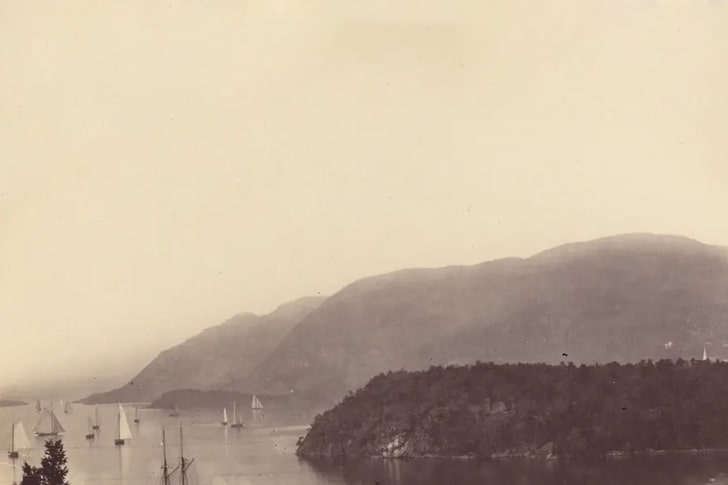
George Kendall Warren became the favorite photographer in more than one college. His job consisted of taking pictures of not only the students but also of the environment where the campus was situated. This served not only as decoration in the institutions’ halls but also as publicity for prospective students.
Furthermore, pictures of beautiful landscapes became more popular as a way to attract tourists to visit these areas of the country. This is a picture of the Hudson River viewed from the Military Academy, West Point. The urban public was very attracted to these remnants of nature present all over the United States.
A Country of Beautiful Landscapes – Circa 1895
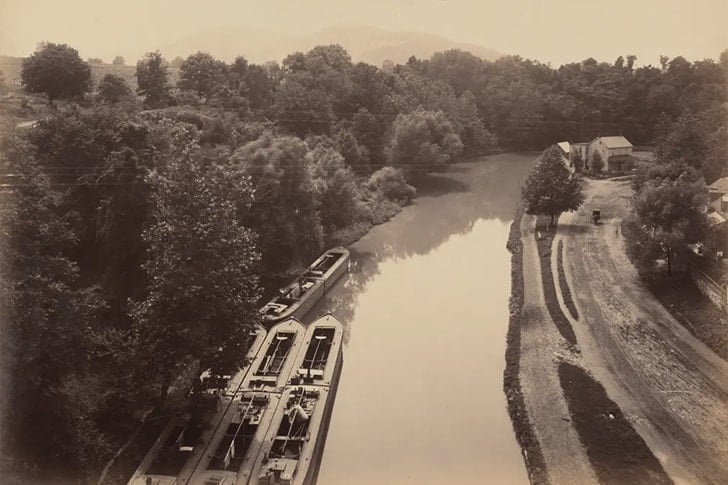
William H. Rau became an important figure in photography during the 19th century. He became the man in charge of capturing images for the Pennsylvania railroad. A highly sought-after professional photographer, he would often spend his time taking pictures of Philadelphia’s elite. We can only imagine how his finances grew considerably during this time.
Some of his most popular pictures were shots of landscapes around the world. Here, we can see one of his pictures taken from the Green’s Bridge. In it, he captures the Morris Canal at an angle that showcases the surrounding beauty and part of the length of the canal, hinting at more to discover.
The Majestic Canyons of Arizona – 1871
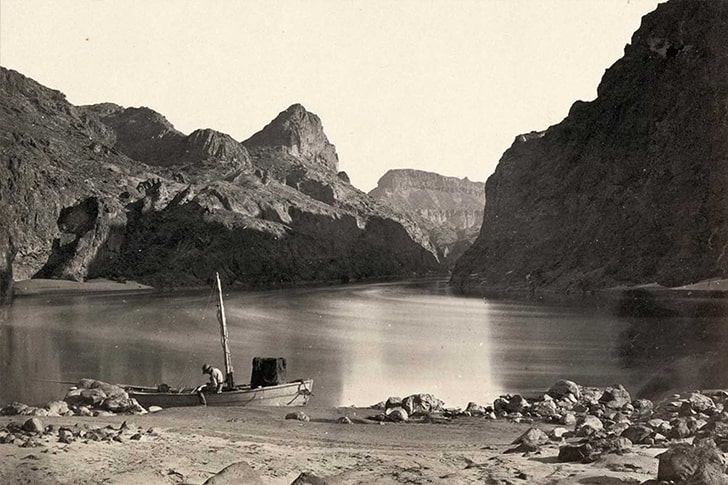
We’ve mentioned Timothy O’Sullivan before on this list as he was a prolific photographer of the era. During this time, he was at the service of George Montague Wheeler, who was conducting a geographical survey. It was highly important to keep records of the findings, so O’Sullivan’s job was integral.
O’Sullivan’s picture shows a majestic canyon and the Colorado River. This survey was conducted in 1871, and it was a grueling process. During a time of adventures and explorations, discoveries came up almost every day. Being part of an explorer’s team was almost like being part of the celebrity news of the time.
If Mountains Could Talk… – 1872
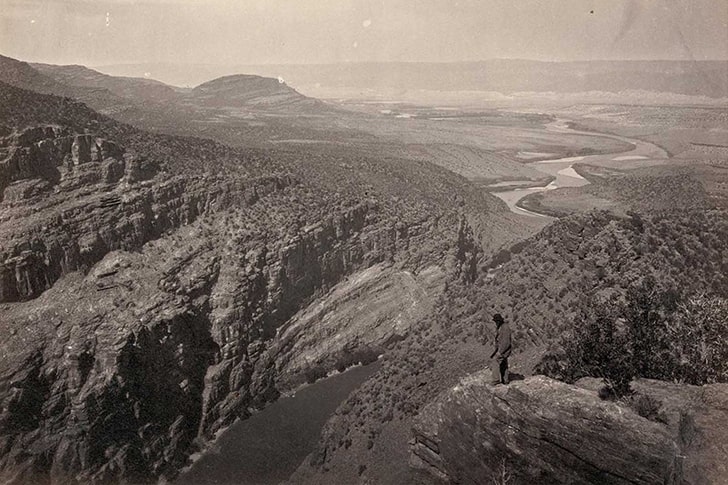
Nowadays, Browns Park is a paradise for anyone interested in animal care as it’s a wildlife refuge. However, back in the 1800s, it became of historical significance for rather curious occurrences. The outlaw Butch Cassidy and his gang took residence here! Given how untouched it was by man, it was a perfect place to hide.
We wonder about the many things these mountains have witnessed throughout the centuries. However, they keep their stories guarded by the ancient and silent trees. This isolated valley is between the states of Utah and Colorado, and there are numerous places of interest to visit. One of these is the Swinging Bridge.
The Pursuit of Money – 1867
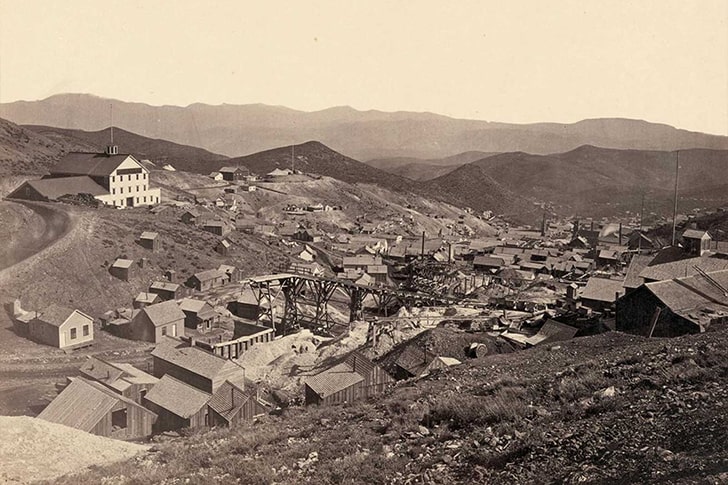
The dream of any miner living in Gold Hill, Nevada, was to strike gold. This city was founded around the time when gold, as well as silver, were discovered in the state of Nevada during the 1840s. Virginia City was one of the biggest settlements for miners in the area, but Gold Hill quickly rivaled it.
However, as the mines died out, so did the city. Nowadays, only remnants of what it was can be seen, which makes for an interesting tour. There are still some people living there, but the population is now below 200 people. Even their postal office has been closed.
Ruins That Stand To This Day – 1873
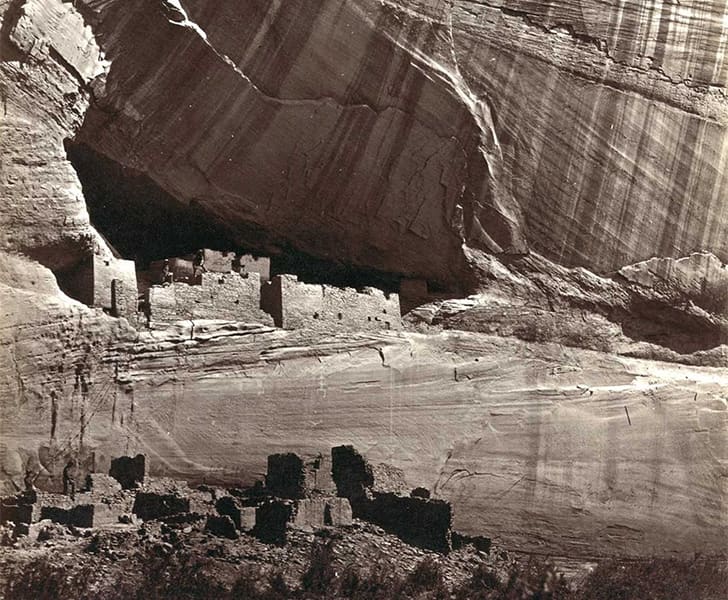
This is the area in Arizona that has been populated for the longest time as Indian tribes lived here for five millennia. These are the White House ruins, which is one of the most visited places by tourists who come to the park in the 21st century. There is prehistoric art that shows the presence of native ancestors.
Furthermore, this Canyon is located in a National Park, which is part of the tribal lands of the Navajo tribe. It has become a tourist hub, with comfortable options nearby for people wishing to stay in simple dwellings or even a boutique hotel.
A Timeless City – 1873
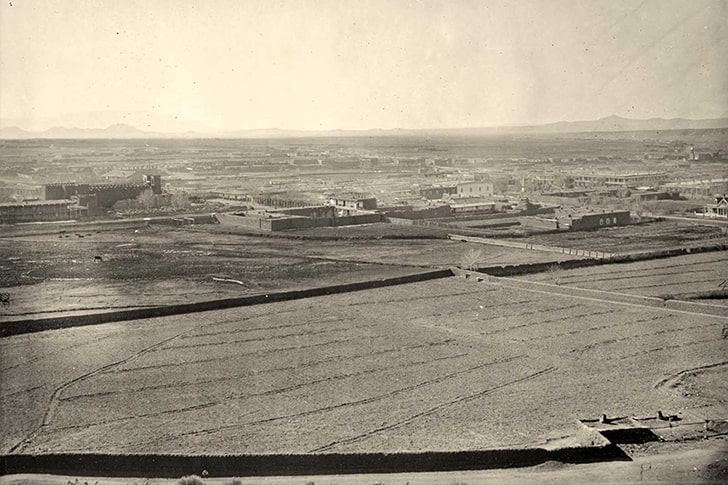
The city of Santa Fe has shown an impressive ability and will to survive. After becoming a thriving area, the development of railroads that bypassed it almost led to its demise. However, due to its cultural richness and unique architecture, it became a favorite for writers wanting inspiration for their books.
These unlikely publicists talked extensively about the wonders of Santa Fe, bringing the city to the spotlight. It became a must-visit place for tourists even today. This is because, as a former Spanish town, it differs greatly from most of the oldest cities in the United States.
Discovering the West – 1867
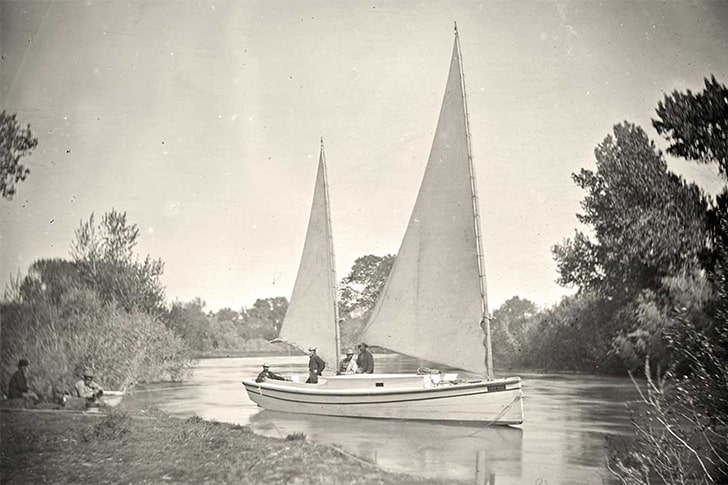
This boat was called the Nettie, and she was one of many expedition boats built to explore the Western area of the United States. While expedition boats nowadays have the latest technology, this more precarious boat sailed on the Truckee River located in the western area of Nevada.
These expeditions were often perilous as the explorers didn’t know what they were going to find. However, they were necessary for the creation of comprehensive maps. This way, people could have a true grasp of the size and geographical distribution of the country. It was considered courageous to be part of the expedition.
Survivors of the Black Hawk War – 1872
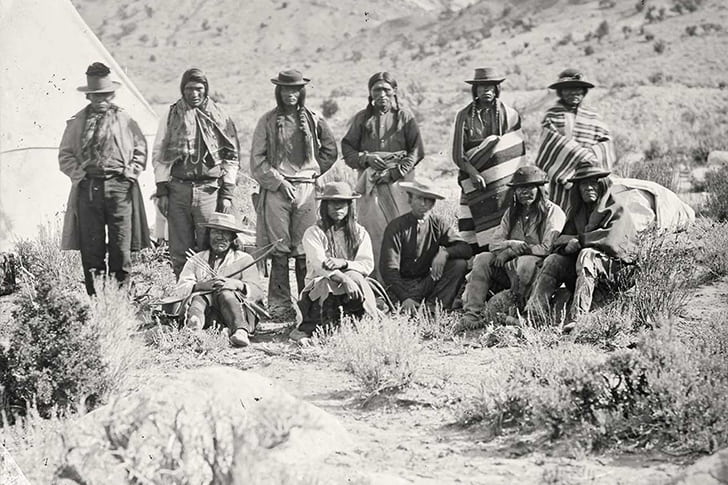
During a time when land properties were the most important thing, there were frequent battles over it. Some of these took place between settlers looking to populate the West and Indian tribes. The Black Hawk War was formed by over a hundred battles that took place between Mormons and a group of Indian tribes.
Here, we can see people from the Southern Paiute tribe in 1872. This was when the Black Hawk War ended. These battles took place in the southern area of Utah, and it delayed the Mormon’s settling. Nowadays, Utah is well-known for being the main residence of this group. However, Southern Paiute reservations remain.
The Artillery is Coming! – 1863
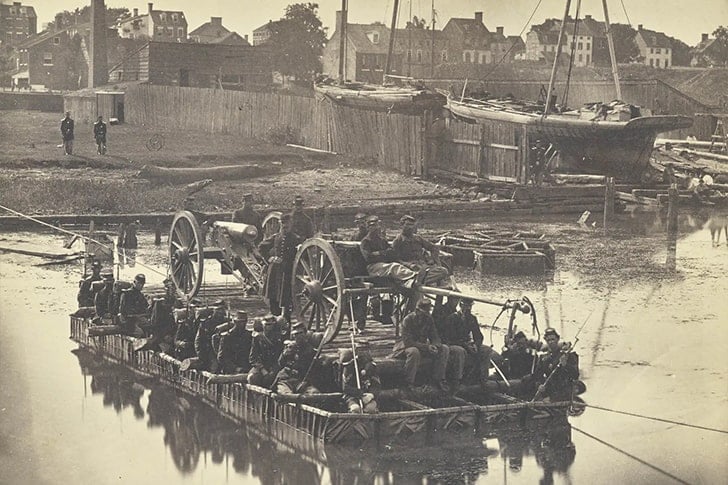
Here, we can appreciate how truly precarious transportation devices were during this time. It was July 1963, and these blanket rafts had been tied together to transport canons in Virginia. Photographer A. J. Rusell captured the moment in which these soldiers neared port with their heavy load. The men can be easily recognized as soldiers due to their military clothes.
Now that we have ferry boats, military ships, and even submarines, it’s difficult to imagine this dangerous method being used to transport anything. While people choose to kayak today for fun, using rafts like this was a necessity back then.
A Lost Piece of Native American History – 1899
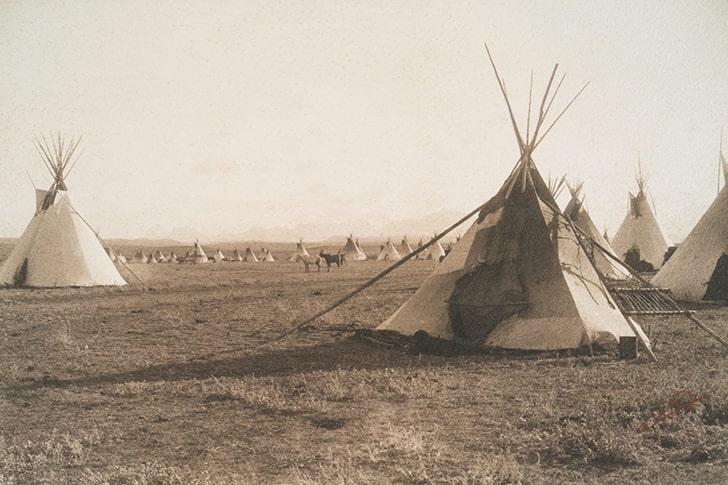
This is a rare picture of the Blackfoot Medicine Lodge Encampment. The term Blackfoot groups different tribes that have linguistic similarities. Interestingly, they would gather during the summer to celebrate the Medicine Lodge Ceremony or the Sun Dance Ceremony. During these celebrations, they made offerings to receive blessings for the next year of hunting.
However, these celebrations were deeply discouraged when white men took over. Although members of the Blackfoot group are recognized in different areas of Canada and the state of Montana, few of their ceremonies have survived. Furthermore, their nutrition has greatly changed from the buffalos they used to hunt during that century.
Looking for Better Pastures – 1900
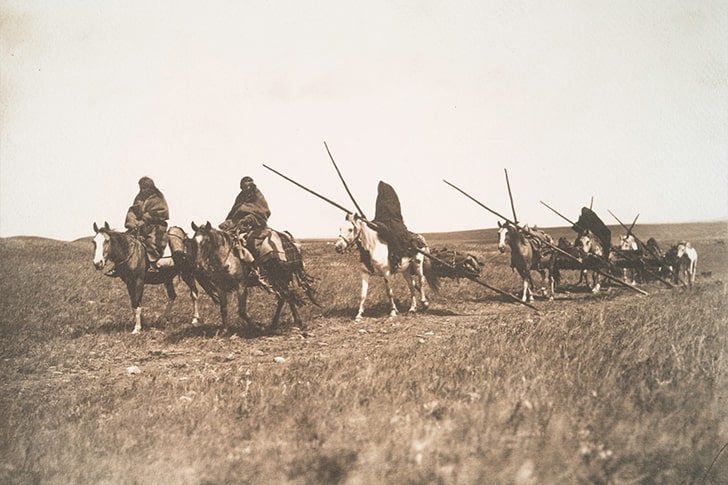
As hunters, the Blackfoot people often moved their encampments to look for better options. However, they faced great danger during the late 1800s as the buffalo, their main source of food, became almost extinct. This forced them to embrace farming and ranching as a way of life, something that some of them still do to this day.
This proud nation had an important military history, as they had often faced enemy tribes throughout the years. Furthermore, they managed to keep beaver hunters at bay for many years, not because they cared about animal rights but because they thought of the intruders as poachers.
The Start of a New Era of Freedom – 1862
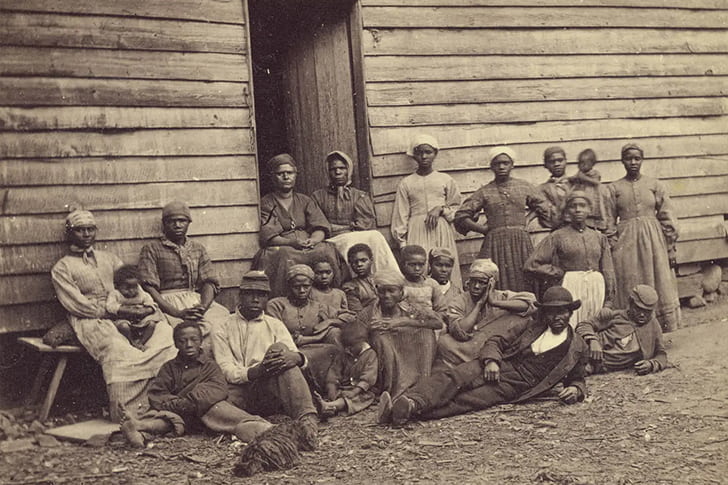
Although the complete abolition of slavery wasn’t achieved until 1865, it ended in numerous states before then. This picture, which was taken by James F. Gibson and Alexander Gardner, shows a group of free slaves. The bloody history of slavery in the US is one that continues to be of historic importance to this day.
After the Civil War and the end of slavery, black people continued to struggle within society. Treated as less than citizens, many of them found it hard to find jobs, and the fight for their rights bled into the 20th century. In numerous cases, injustices were committed even in court due to these racial issues.
An Unrecognizable Street – Approximately 1855
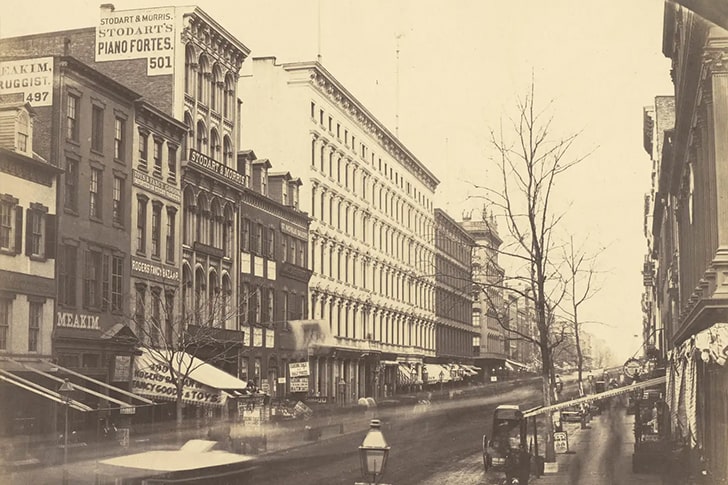
The streets of New York would be unrecognizable today to someone who lived during the 1850s. It was in 1853 that the St. Nicholas Hotel was founded. As a luxury hotel, it was a symbol of the impending growth of New York City and the higher class that certain businesses are tailored to.
However, we’re certain a citizen of this decade would be shocked by the many changes in the city. For starters, the hotel is completely gone now. In its place, we can find stores selling merchandise never heard of in the 19th century. We can’t begin to imagine how overwhelming this would be.
The Boom of Photography – Approximately 1863
In today’s generation, it’s hard to imagine a world where taking a photograph required an expert as well as minutes sitting still for the image to form. Today, when social media monitoring has become part of most people’s lives, we can take and publish a photograph in a matter of seconds.
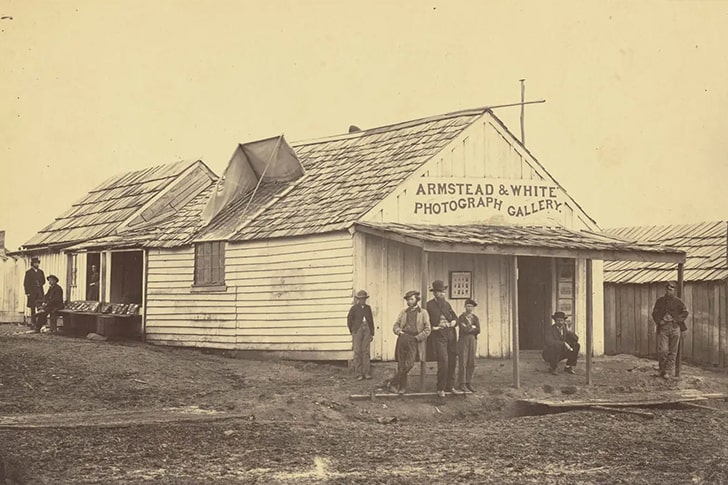
Photography first became commercially available in 1839. Due to the process involved in it and the instruments and material required, it wasn’t available to just everyone. This was the reason behind the birth of galleries, where photographs could be exposed and also taken. The Armstead and White Photograph Gallery is an example of this.
Prospering Businesses Everywhere – Approximately 1859
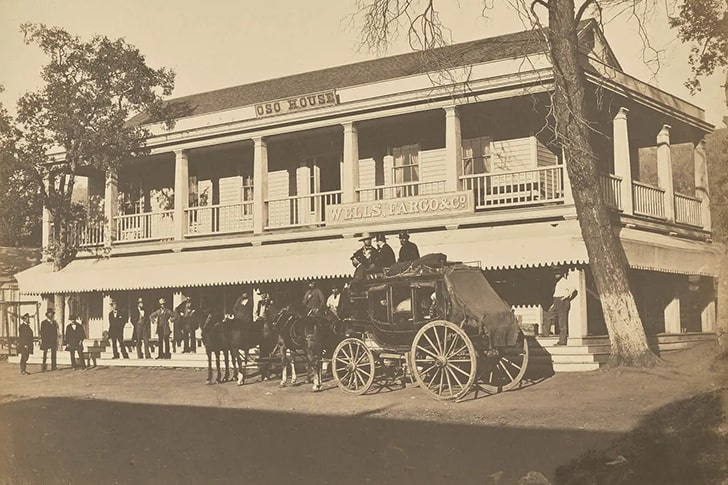
As the West grew, businesses began to flourish all over the area. Here, we can see Oso House with a Wells Fargo branch. This bank had been inaugurated in 1853, less than a decade before this picture was taken. To this day, it continues to be one of the biggest financial groups in the country.
This picture was expertly taken by Carleton Watkins, as he managed to capture the light in a way that allowed him to take the image in less time. On top of the coach, we can see John C. Frémont, who was one of the most important explorers and politicians of the time.
Trains Take the West by Surprise – Approximately 1863
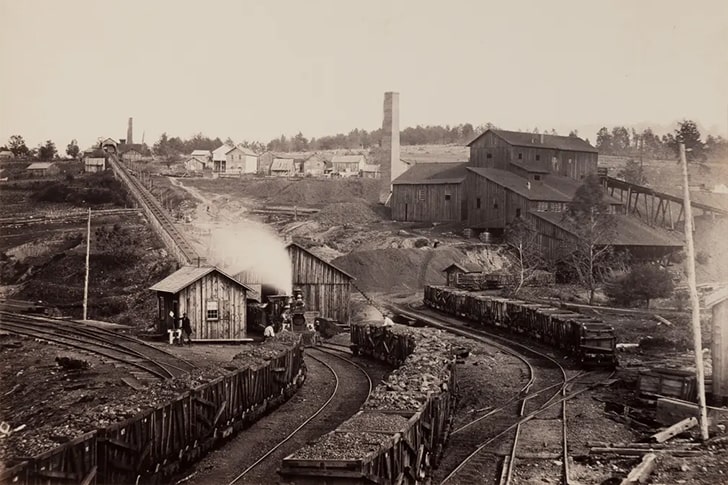
This was a revolutionary time for the growth of the United States. Railroads connected the country in a way horses never could. The Transcontinental Railroad allowed the East and the West to truly become one. This effort was funded by government grants, and the railroads were built on public lands.
This picture was taken by Thomas H. Johnson between 1863 and 1865 while the railroads were being built. The true implications of a railroad system were not truly grasped until many years later. This allowed greater mobility for the population as well as the impressive expansion of businesses. Enterprises flourished thanks to this important investment.