
They say that history repeats itself, but some moments are best left in the past. We are referring to the times when the world suffered great losses from pandemics, much like what we are currently facing with COVID-19.
Just over one century ago, the Spanish flu claimed the lives of about 50 million and infected 500 million worldwide. It proved to be the deadliest pandemic in history but the current novel coronavirus outbreak seems to have accelerated to a comparable status. Amid the current COVID-19 crisis, it’s essential to look back at how it compares and differs from the Spanish Flu.
A Flu Emerges
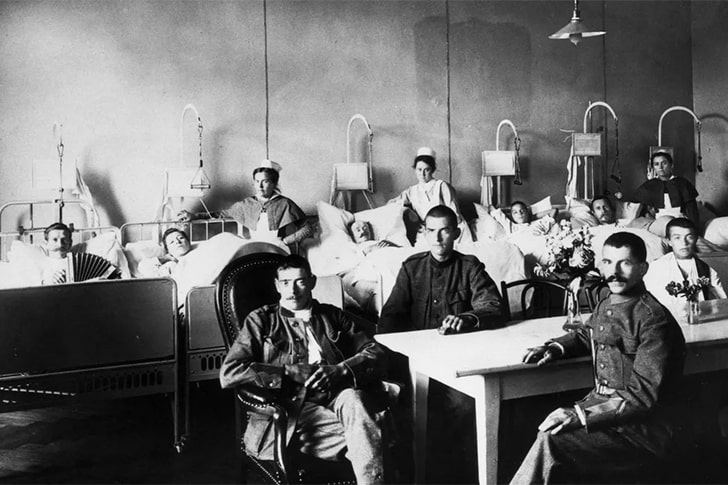
The year was 1918 and in early March, in the wake of World War I, a disease started spreading rapidly across the globe. Newspapers ran headlines reporting of a grave illness that had plagued many Spaniards including King Alfonso XIII.
The impression created was that Spain was the hardest hit region and hence the disease was dubbed the Spanish flu. Historical data still hasn’t accurately identified the geographic origin of the pandemic, but the consensus is the indiscriminate nature of the pandemic. The flu affected people across different geographies and demographics, cutting across age and social standing.
Ground Zero
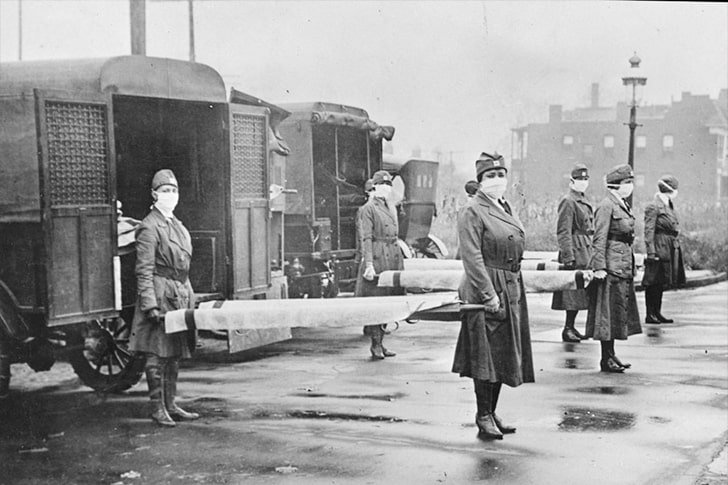
While accounts are still conflicting about the origins of the disease, virologist John Oxford theorized that it originated from Étaples in France. His studies found that in 1916, a hospital camp set up for the UK troop in Étaples suffered from the onset of a flu-like disease.
The mortality rate was high and Oxford noted that a similar outbreak also ravaged the army barracks in the English town of Aldershot in 1917. Military pathologists would later recognize that the earlier outbreaks were the very same flu experienced in 1918.
A Mutated Virus
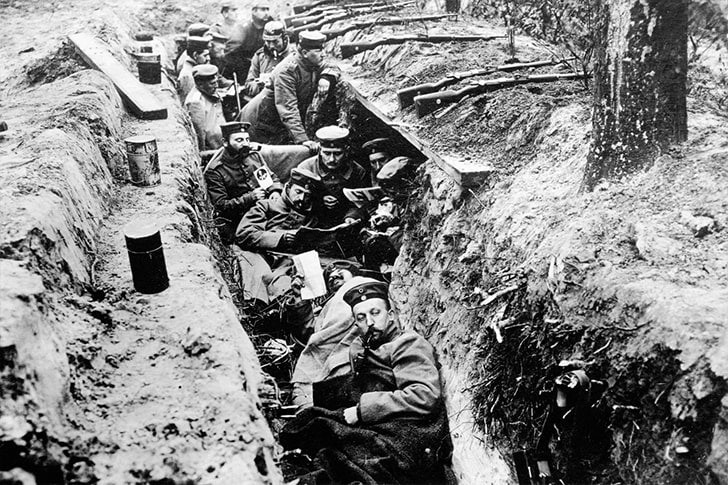
The overcrowded camp in Étaples created the ideal environment for the accelerated spread of the respiratory virus. Thousands of war casualties and poison gas attack victims passed through the camp on a daily basis. The camp also housed a piggery and there were also fresh supplies of poultry delivered from surrounding villages regularly.
Oxford postulated that a virus that the birds harbored might have mutated and infected the pigs. The Chinese Medical Association published a report in 2016 also acknowledging that the virus had been circulating amongst the European armies months before the 1918 outbreak.
A Different Account
Alfred W. Crosby, a historian, had a different account, suggesting that the epidemic started in the U.S. Crosby stated that the flu began in Kansas and John M. Barry, an author, backed him up in an article he wrote in 2004. Barry wrote that the flu’s point of origin was Haskell County, Kansas.
Professor Michael Worobey’s study published in 2018 dispelled the claims after going through medical reports and testing tissue slides. Worobey’s findings showed that there were fewer deaths and milder cases of the flu in Kansas in comparison to New York. The phylogenetic analyses were inconclusive but it implied that the virus originated from North America.
The Unaffected Regions
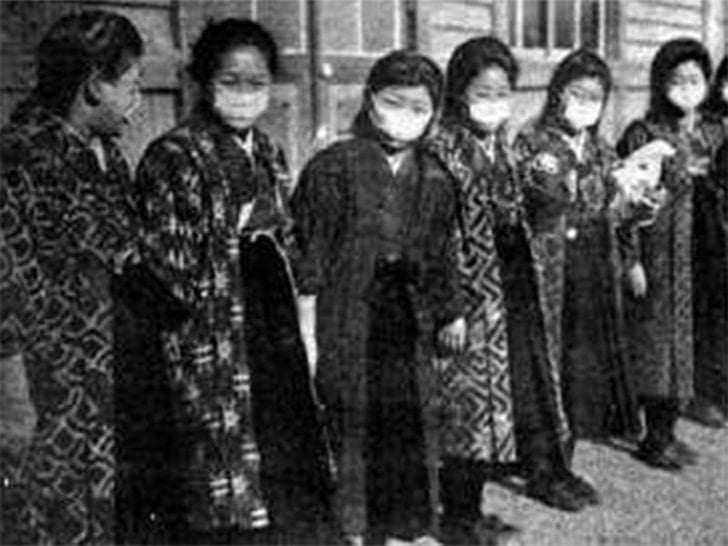
China was amongst the few regions that remained relatively unaffected by the pandemic. Documented cases show a comparatively milder flu season experienced in the country in 1918. However, there have been disputes citing that there isn’t enough recorded data from the country’s Warlord Era.
Speculations have always been rife that there is a likelihood that the pandemic may have originated from China. The low mortality rates in China are explained by the population having already acquired an immunity to the virus from previous outbreaks. Claude Hannoun, the Pasteur Institute’s leading expert of the 1918 flu, asserted in 1993 that the precursor virus had its roots in China and mutated in the U.S. near Boston
An Epidemic Becomes A Pandemic
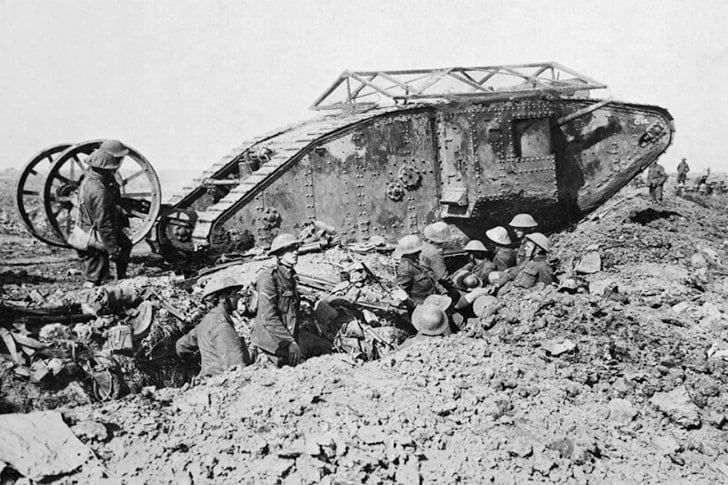
Hannoun also stated that the mutated virus spread to the French battlefields, then Europe as a whole. Allied soldiers were responsible for spreading the flu to the rest of the world. Hence the flu epidemic that had grown out of control soon became a pandemic when it crossed over geographical regions to affect several countries and continents.
Mark Humphries, representing the Memorial University of Newfoundland, argued that the Chinese laborers who were recruited to assist the French and British lines were the source of the virus. Archival evidence proved that Chinese health officials had discovered that the northern part of the country had suffered from an illness that was very similar to the Spanish flu in 1917.
The Spread
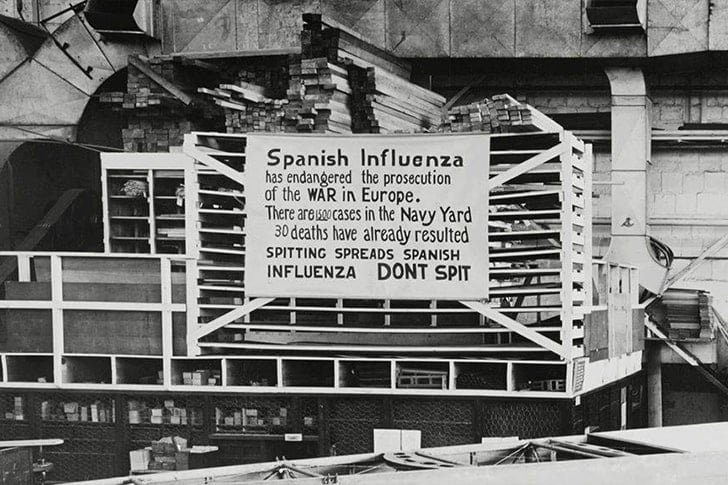
The Spanish flu spread at a fast pace in the close quarters that massive troops shared during World War I. The virus spread in the surrounding environment after an infected person coughed or sneezed. As the troops kept on with their movements, it hastened the mutation and transmission of the flu.
There have also been studies suggesting that the soldiers were hard-hit because of their weakened immune systems. The stresses of combat combined with malnourishment and exposure to chemical attacks made them highly susceptible to contracting the virus. Modern transportation systems also facilitated the transmission of the disease far and wide to a global scale.
Prevention Measures Were Non-Existent
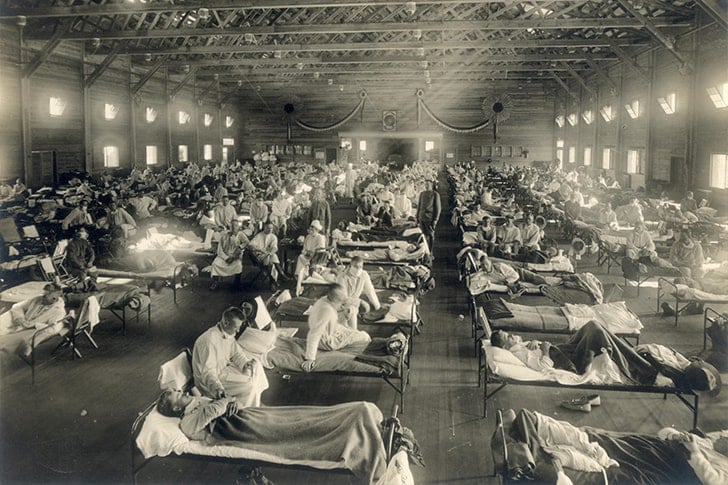
Besides the fact that the technology back then couldn’t effectively curb the spread of the flu, other factors contributed to its extensive spread. Governments mostly denied that they were hit by the outbreak and in turn, they didn’t implement necessary measures to prevent its spread.
For instance, in Haskell County, the first observation of the illness was made in January 1918. In March 1918, a cook at the military facility in Fort Riley followed by 522 men fell sick at the camp within days. Failing to adopt preventative measures when the flu was first observed is criticized for enhancing its spread.
A Mutated Strain
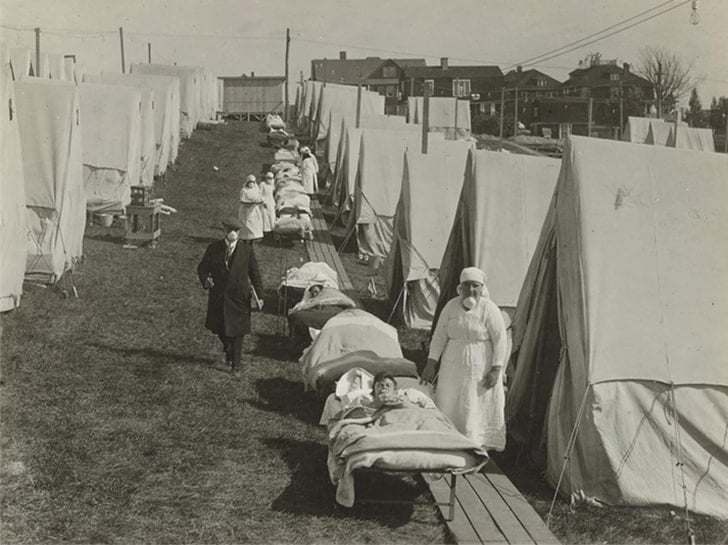
By August 1918, the U.S., Freetown, Sierra Leone, and Brest, France experienced cases of a more virulent strain of the flu. As more afflicted troops from the U.S. were deployed to Europe, the spread continued to Ireland and other territories.
At the height of the Spanish flu crisis, 500 million people became infected by the virus. The number of deaths resulting from the pandemic often vary ranging between 30 and 50 million, and some records report it as 100 million. To put it into perspective, in just 24 weeks, the flu had claimed the lives of more people than HIV/AIDS had in 24 years at the time.
Fatality Patterns
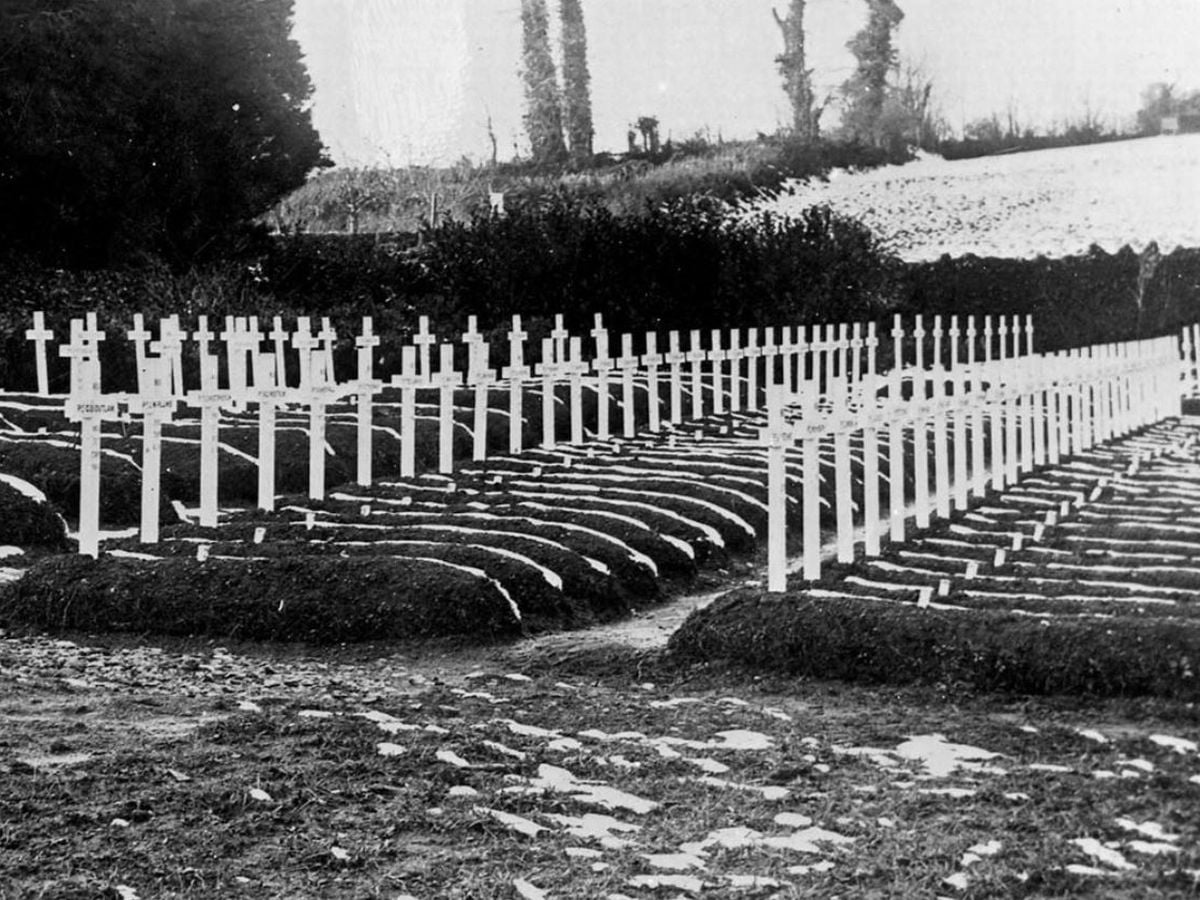
Young adults made up the majority of fatalities in the U.S. related to the pandemic between 1918 and 1919. The demographic ranged from 20 to 40 as the spread of the virus started but the mortality rate picked up in the 65 and over age group from 1920.
People below the age of 65 accounted for 92% of the deaths. The reason is that the 65 and over age group might have had partial protection from the flu. People in this age group had already survived exposure to the Russian flu that was experienced between 1889 to 1890.
The Spanish Flu Oddities
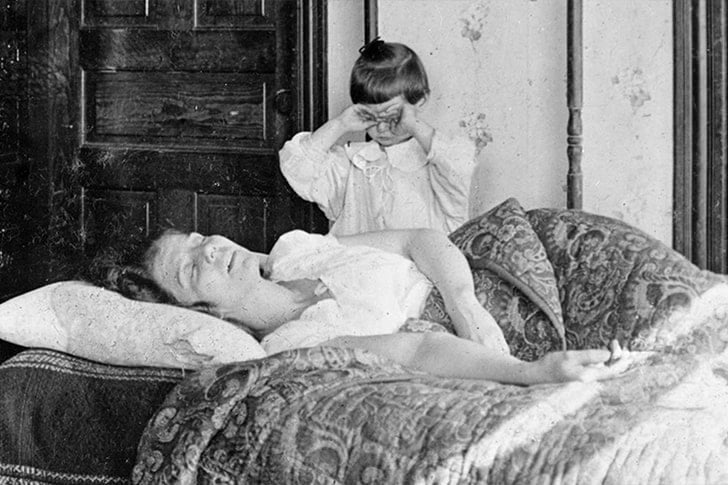
Sadly, pregnant women were amongst the hardest hit group and they accounted for about 23% to 71% of deaths. One-quarter of expectant women who managed to give birth, unfortunately, lost their children. Another oddity the flu presented was its widespread nature in the autumn and summer months.
Influenza is often aggravated in the winter months and that was one of the ways the Spanish flu stood out. Modern analysts have also revealed that the Spanish flu essentially ravaged the immune system by triggering a cytokine storm. It refers to an overreaction response triggered by infections or drugs causing the body to attack its immune system.
The Third Wave
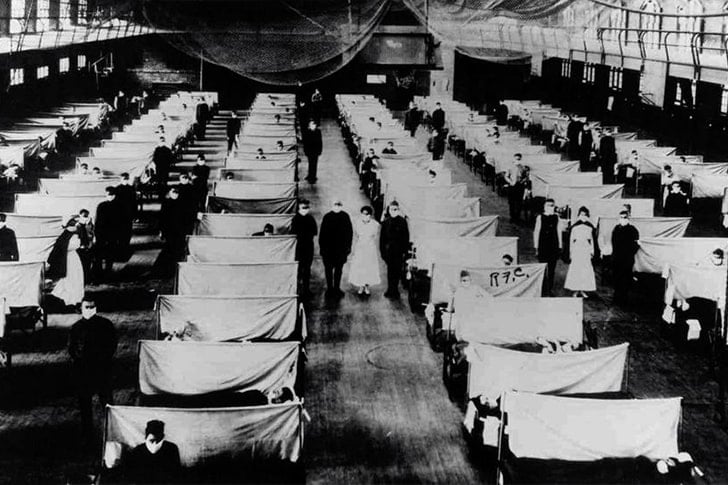
The first wave marked by typical flu-like symptoms began in March 1918, and the younger, healthier population managed to recover. The second wave sparked by the transmission of mutated strain was observed from August 1918.
The third wave kicked off from January 1919 and it wasn’t until August the same year that the reported cases declined. Great Britain, Serbia, and Mexico were the regions primarily hit by the third wave. Generally, the third wave of infections was less severe than the second but the cases still proved more deadly than the first wave.
Everyday Life Came To A Standstill
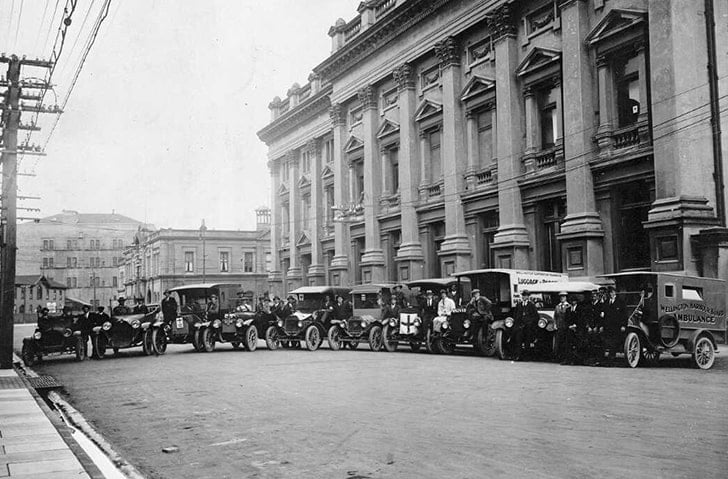
Communities with low mortality rates were still affected by high infection numbers and it hampered everyday life. Healthcare workers were unable to tend to the sick because they were incapacitated. Even sadder, gravediggers couldn’t bury the dead, and mass graves were the result.
Pacific Island territories were amongst the hardest hit, including New Zeland which didn’t protect itself from exposure on time. The SS Talune sailed from New Zealand at the time and ended up spreading the flu to Fiji, Tonga, and Nauru. Western Samoa was the worst affected with 90% of their population contracting the flu. On the other side of the world, the Spanish flu claimed 10% of the population in Ireland in 1918.
Other Places That Recorded Mild Cases Of The Flu
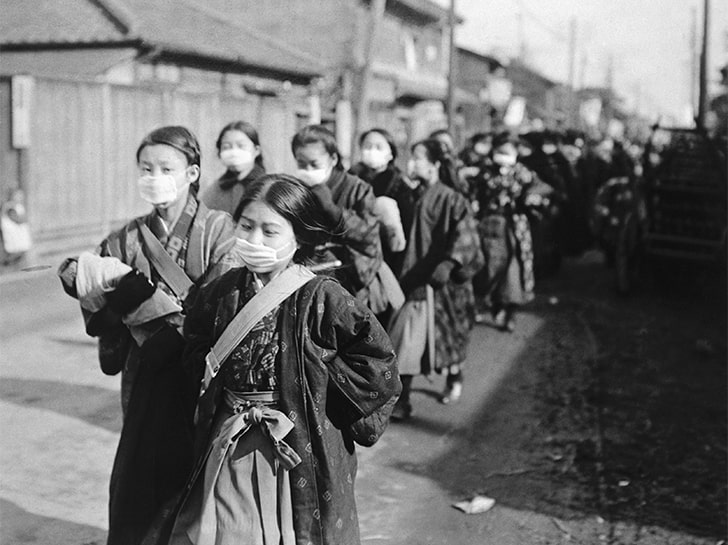
Besides China, several other areas reported mild cases of the flu. Japan recorded a 0.4% mortality rate which was significantly lower than what other Asian countries experienced. Russia reported an estimated 450,000 deaths but the numbers have been disputed. Russia was gripped by civil war then, and studies place their mortality rate closer to 2.7 million people.
American Samoa and New Caledonia (a French colony) didn’t have a single reported mortality case because they implemented effective quarantines. Marajó, an isolated island in Brazil, and Saint Helena also didn’t report any deaths.
Death By Aspirin Poisoning

The Clinical Infectious Diseases journal published a paper in 2009 authored by Karen Starko proposing that substantial fatalities at the time were a result of aspirin poisoning. Starko based her findings from the available post mortem results as well as the “death spike” that took place in October 1918.
The Journal of the American Medical Association as well as the Surgeon General recommended very large doses of aspirin daily as part of the flu treatment process. The 8–31 grams of the drug consumed by patients daily sparked hyperventilation and lung edema. Late deaths also displayed signs of bacterial pneumonia. The universality of this theory was also questioned because countries like India with high death rates had little access to aspirin.
The End Of The Spanish Flu
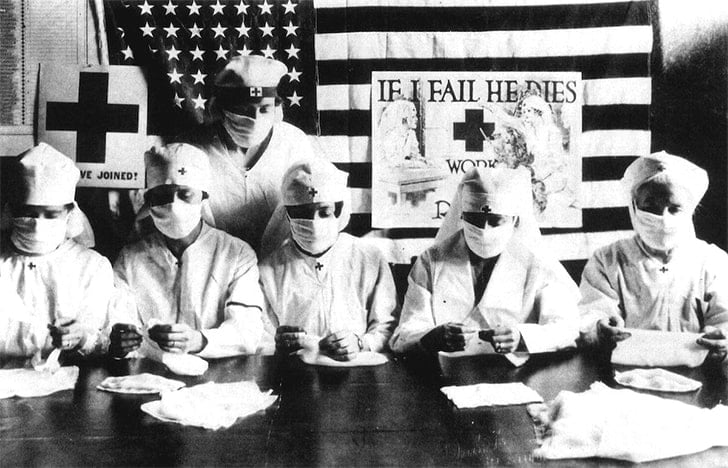
Just like the theories of the flu’s origins, several accounts postulate how the pandemic came to a natural end. In Philadelphia for instance, the belief is that physicians became more adept at treating pneumonia that came with the flu.
Another theory suggests that the virus rapidly mutated back to a less lethal form. This phenomenon has been observed with influenza viruses as time progresses. As the fittest and healthiest members of society survive the dangerous strains, the pathogenic viruses become less lethal. It’s the reason why cases of the flu dropped almost as abruptly as the number of transmissions had shot up in the beginning.
The Aftermath
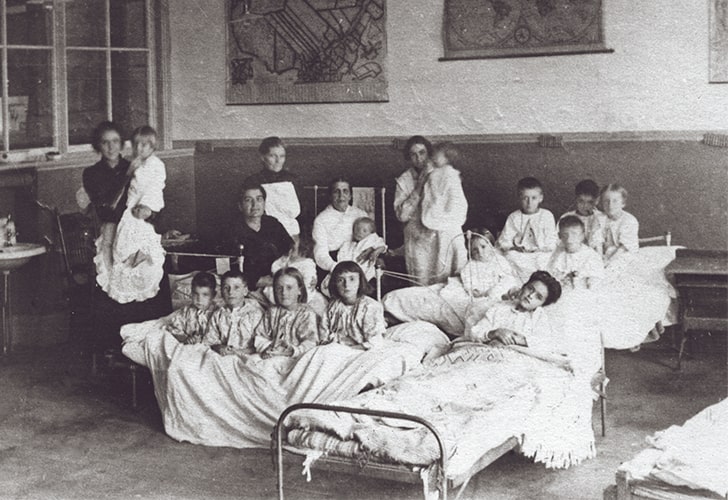
The Journal of Political Economy study published in 2006 found that children born in the months during or after the pandemic suffered from reduced educational attainment. The group also displayed increased rates of physical disabilities, and they generally make up a large number of people falling under the lower socioeconomic status.
The group also accounts for the highest number of those who receive government transfer payments when compared to other birth cohorts. Studies also linked the flu to the 1920s encephalitis lethargica outbreak which is also referred to as the sleeping sickness.
An Outbreak Strikes In Wuhan China
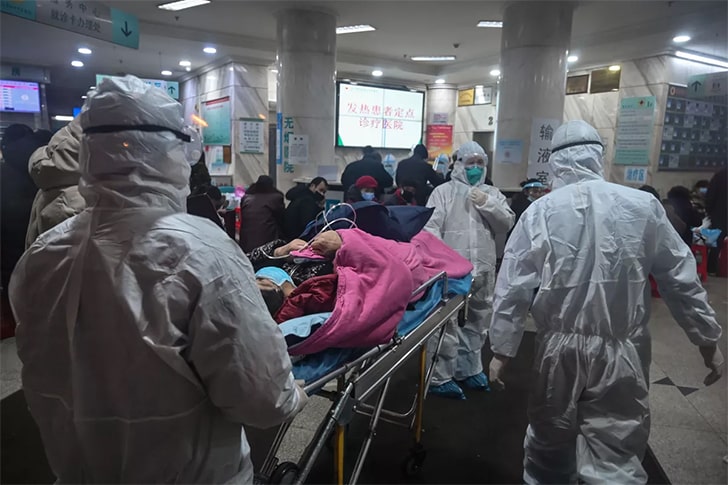
The end of 2019 marked another grave time in modern history when a more deadly and fatal disease was identified. It began in the Chinese city of Wuhan and the health commission started reporting clusters of pneumonia cases sparked by a previously unknown virus. By 31st December 2019, the disease was conclusively identified as the novel coronavirus COVID-19.
The epidemic had been limited to China and in just a matter of three months after that, it became a global pandemic. As the outbreak accelerated, it wasn’t long before inferences were being made between the coronavirus and the Spanish flu.
The Main Similarities Between COVID-19 and The Spanish Flu
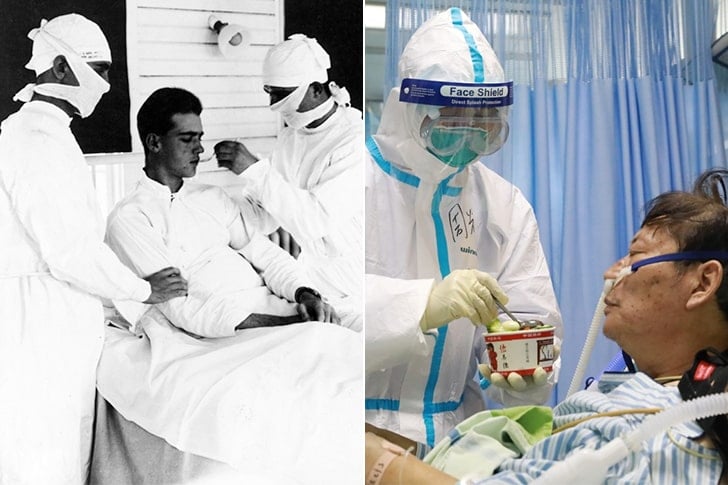
Both the Spanish flu and COVID-19 are respiratory infections that have brought reasonably modern societies, at different points in time, to a standstill. They are both characterized by common symptoms like a fever and a runny nose. They are also highly contagious infections and they spread like wildfire in crowded areas.
While researchers have never conclusively traced the origin of the Spanish flu, the two respiratory infections have China in common. Both diseases were exacerbated by travel, and modern transportation systems like air travel and cruise ships have accelerated the impact of COVID-19 to critical levels when compared to the Spanish flu.
More Shared Similarities Between The Two Diseases
When the Spanish flu ravaged the world in 1918 it became the biggest health crisis at the time because of the high infection and mortality rates. Most people had not developed immunity to the flu in the beginning, and it’s the same situation we are experiencing with COVID-19.
Just like the Spanish flu, it was a brand new virus, and doctors had to figure out how to treat it; scientists are currently working hard to fight and find a vaccine for COVID-19. The indiscriminate nature of both illnesses is shared, cutting across different socio-economic statuses, geographical boundaries, and age demographics.
Key Difference Between COVID-19 and The Spanish Flu
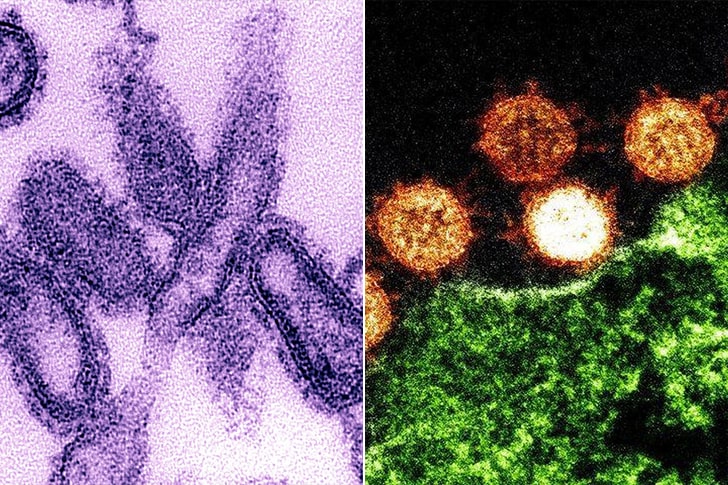
These two viral infections do not come from the same family of viruses. The Spanish flu comes from the family of H1N1 viruses while COVID19 is part of the coronavirus family. The Spanish flu was marked by pleurisy and pneumonia which were the cause of most deaths in 1918.
Coronavirus proves more threatening to the older age demographics while back in 1918 this group was less affected by the Spanish flu. Knowledge about the two diseases is also key in the way we have approached their treatment process. Advancements allowed scientists to decrypt the coronavirus RNA in a matter of days.
More Differences Between The Two Respiratory Infections
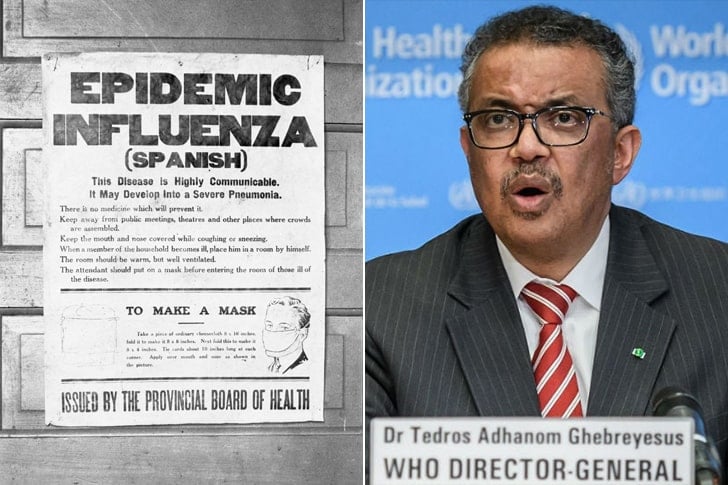
We have come a long way since the Spanish flu and healthcare services are worlds apart from what was available back then. For instance, there are now antibiotics and resuscitation techniques that would have proved highly beneficial in treating the Spanish flu.
Given the period when the Spanish flu struck, the censorship in most European countries limited their access to accurate and lifesaving information. We now have the World Health Organization (WHO) who is dedicated to tracking and monitoring new disease outbreaks. The organization has played a crucial role in curbing the further spread of various illnesses including COVID-19.
Did Covid-19 Originate From Animals?
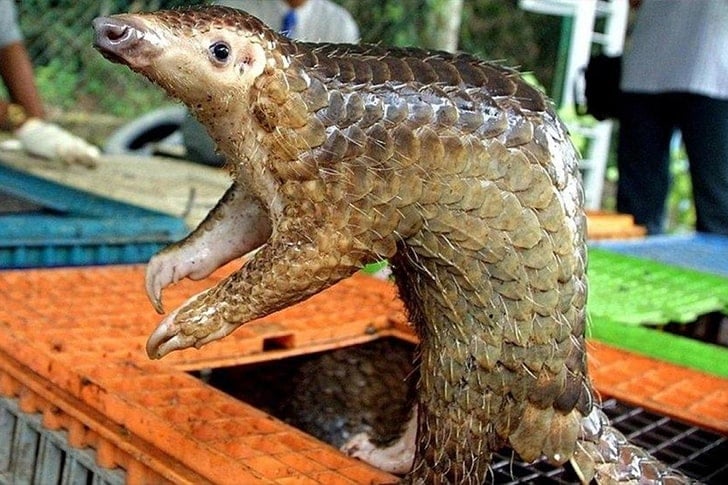
COVID-19 has been described as a human-driven disease because it is essentially carried and spread by people. It is part of the coronavirus family and fortunately, a lot of knowledge exists about these types of viral infections. Most originate from animals, much like how the Spanish flu began.
COIVID-19 is also referred to as SARS-CoV-2 and it’s the new strain of coronavirus that started infecting humans in December 2019. However, the connection between the respiratory infection and a possible animal source has not been fully confirmed. There is still so much about the disease that is unknown but scientists continue working around the clock to find the answers.
Symptoms of COVID-19
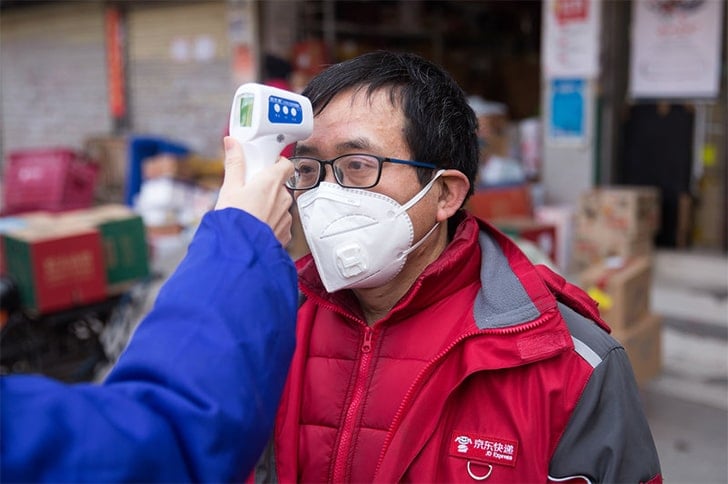
The common symptoms that point to COVID-19 infections include tiredness, fever, and dry coughs. Some patients also exhibit additional symptoms based on various factors and they include things like nasal congestion, aches and pains, diarrhea, and sore throat.
The symptoms are mild in the beginning and while they may become aggravated as the illness progresses, some people may not show signs of being infected altogether. Generally, one out of five people who become infected with COVID-19 will become gravely ill and suffer from breathing difficulties. That’s the reason why testing is still the only way to conclusively diagnose or rule out COVID-19 infections.
Containing The Outbreaks
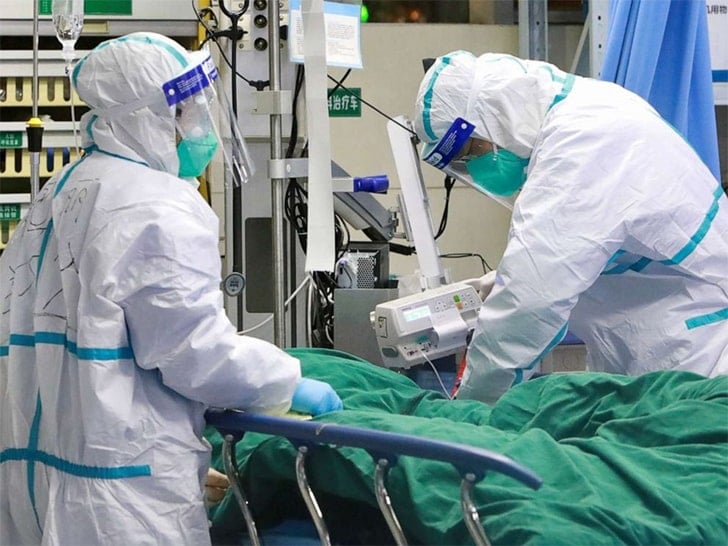
The infection and death rates for COVID-19 keep shifting as the situation progresses. The coordinated response mechanisms put into place by world leaders have significantly helped to lower these numbers. To borrow the words of Dr. Tedros Adhanom Ghebeyesus, the WHO Director-General, all countries can shift the course of the COVID-19 pandemic.
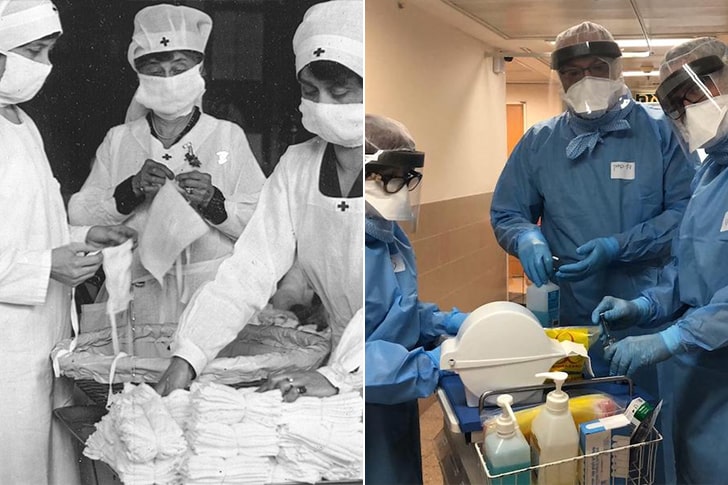
Healthcare professionals still practice the same preventative measures we now have in place to protect themselves as well as the patients they serve. There are even photos from the time showing healthcare professionals wearing protective gear like masks and gloves when treating infected people.
Isolations and Lockdown
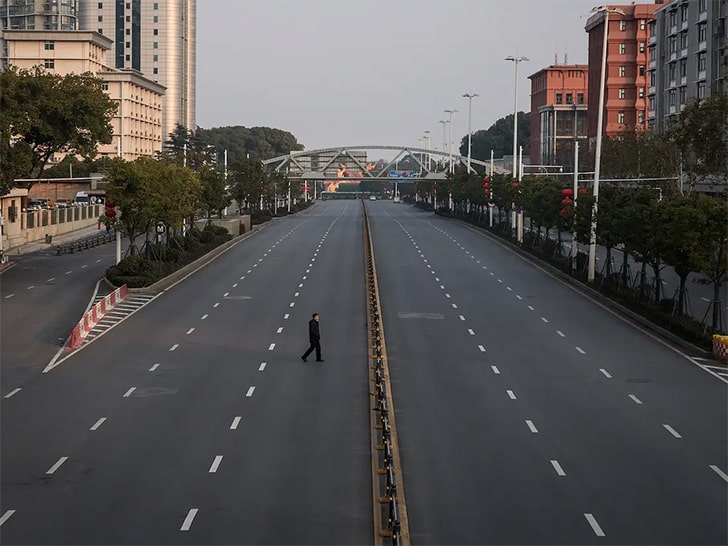
In the wake of the Spanish flu, some territories put in place isolation measures that helped halt the spread of the viral infection. In fact, for as far back as can be remembered, it has been well-understood that the healthy should be separated from the sick.
Some countries are still under total lockdown as we continue battling with the COVID-19 outbreak while others are fairing well with less restrictive measures. Countries that have still not been hard-hit by the coronavirus outbreak have either chosen to simply effect travel bans but allow life to continue relatively as normal.
Social-Distancing Guidelines
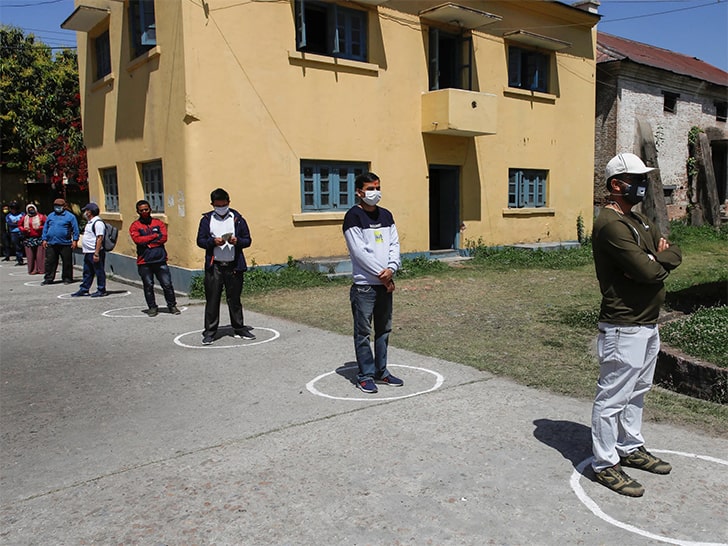
“Normal” now means respecting social distancing guidelines and other recommended protective measures necessary to slow down, and eventually stop, the spread of COVID-19. Even people with the mildest symptoms of the disease can still transmit the virus. It is a contact person-to-person infection and the only way to limit its spread is by practicing social distancing.
In public areas, it’s recommended to maintain a distance of at least three feet (one meter) from each other. Practicing respiratory and hand hygiene is equally crucial to protect ourselves and others from contracting the disease. We should keep washing our hands and sanitizing to limit the chance of getting the viral infection from contact.
Self-Isolation

Self-isolation is a measure taken to minimize contact between someone who is displaying COVID-19 symptoms and others. The reason is simply that they might not be severely sick but they can still infect others. Anyone who is self-isolated has to keep monitoring their symptoms daily to pick up on any progressions like developing difficulties in breathing.
Most countries now require travelers who have landed within their borders or from one region to the next to self-isolate for 14 days. Once these groups of people are cleared, they are required to keep monitoring their symptoms. It’s important to stay energized and keep positive while self-isolated.
Recovering From COVID-19
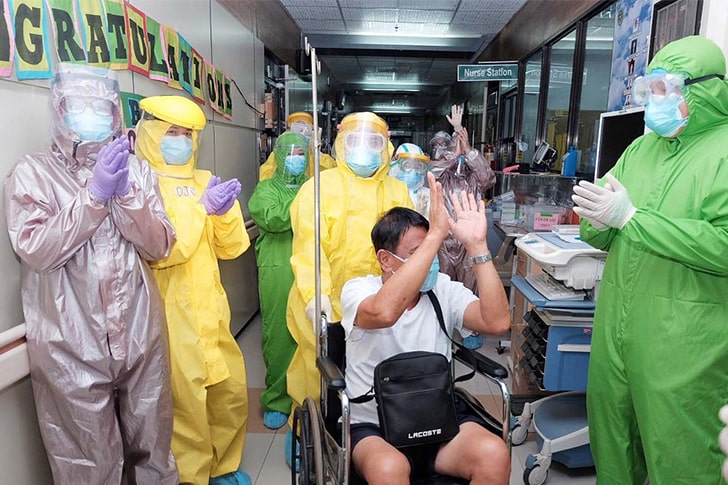
As it stands, about 80% of people infected with COVID-19 recover fully from the disease without even requiring any form of hospitalized intervention. The mortality rate in the older demographic has been the highest often because of underlying medical conditions.
People with prior heart and lung issues, hypertension, diabetes, or cancer are at the highest risk of getting infected by COVID-19 in its severest form. However, we can rest assured that we learned key lessons from the Spanish flu and other pandemics, and we are better prepared to overcome the current scourge.
The COVID-19 Vaccine

Sadly, the only way to treat COVID-19 at the moment is to treat its symptoms because like other viral infections, the disease itself typically can’t be cured. Our immune systems are currently our best hope to fight off the infection as it runs its course.
It will take a while before a vaccine is formulated to help fight this disease. It takes anywhere from 12 to 18 months to come up with a vaccine that has been put through multiple testing stages for effectiveness and safety. Sanofi, a pharmaceutical company, is trying to transform one of their already-approved flu jabs into something suitable for COVID-19.