
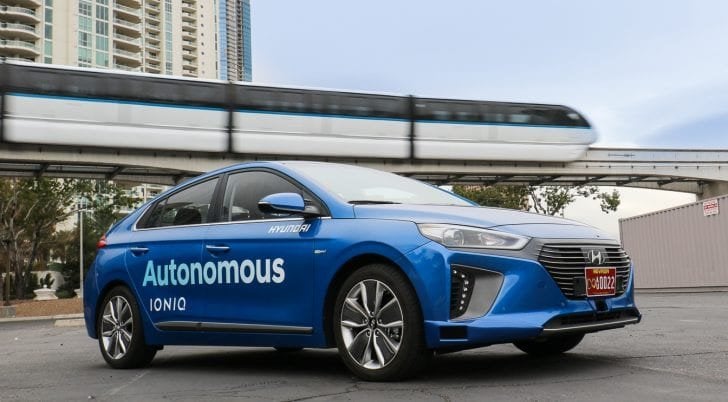
A Self-Driving Car’s Dilemma: Save Passenger or Pedestrian During a Crash?
Modern technology has brought so much ease into our lives. But along with the convenience, it has also stirred up a never-ending debate about its limitation. One of the newest yet most controversial inventions is the self-driving car which may sound revolutionary at first, until you learn about its pitfalls.
Imagine being in a car where you can practically do anything without having to glue your eyes to the road. Want to text, read, or eat while driving? Don’t worry, an AI-powered car will ultimately do the driving for you.
However, not everyone thinks the same way. According to the critics of self-driving technology, it’s far more dangerous for people inside a self-driving car because they aren’t the ones in control of the wheel. In other words, no human is controlling the vehicle.
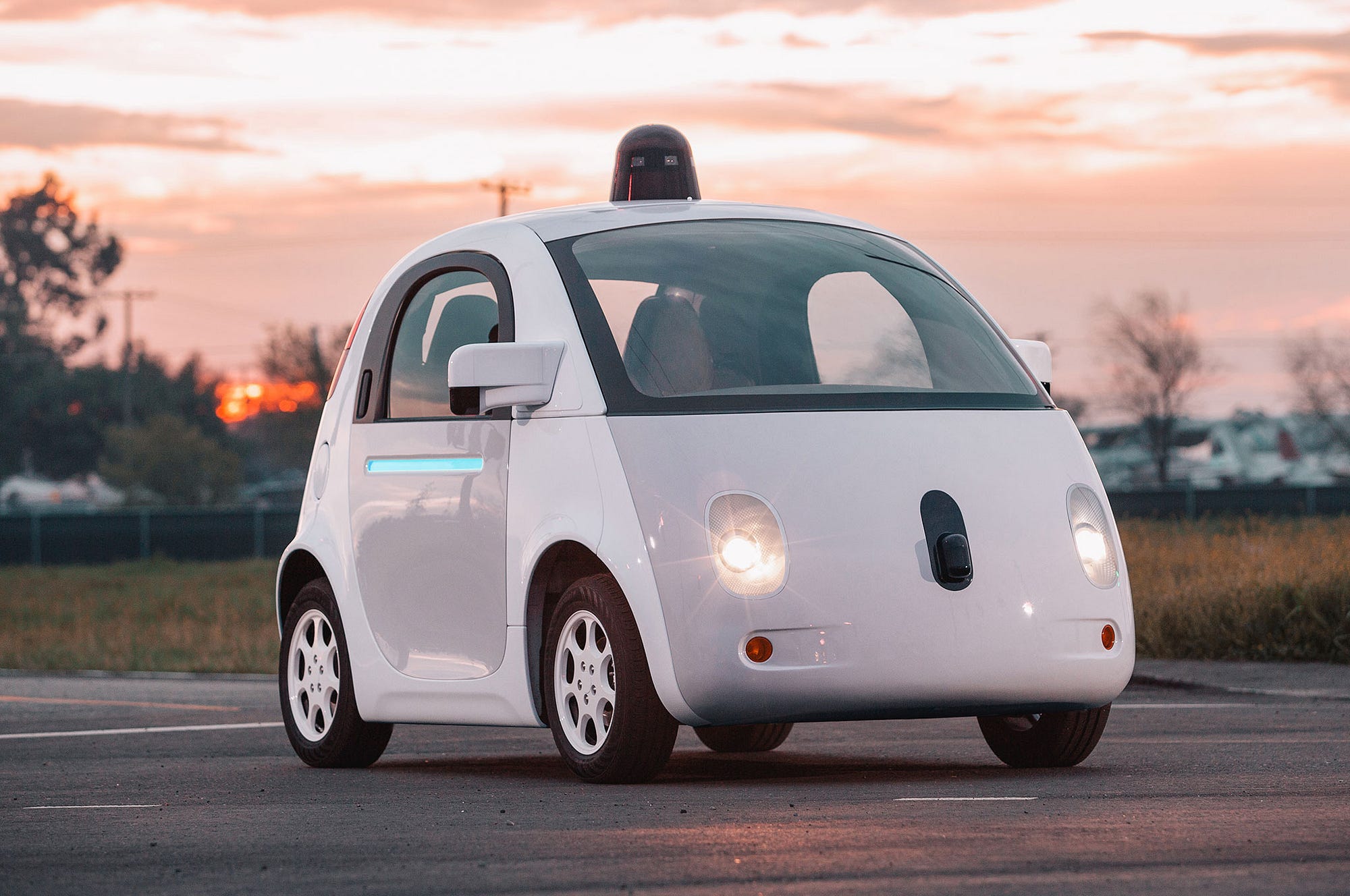
Self-driving cars are bringing the concept of multitasking to another level. While it may seem like a wonderful creation, there are still loopholes in the technology.
While the debate is much quieter now than when AI cars were first introduced, a new concern is beginning to emerge among car owners: what will a self-driving car prioritize in times of emergency – the welfare of the passenger or pedestrians? This question doesn’t just question the ability of the invention to make rational decisions but also concerns ethics and morality.
The Trolley Problem
It’s the modern day idea of the long-standing issue called the trolley problem. Fans of “The Good Place” may remember the scene where Chidi’s moral principles were put to a nerve-wracking test. The professor had to decide whether to do nothing inside the tram, a decision that could kill five workers on the track, or maneuver the tram to another track, save the five workers, and kill one person. Sounds like a no-win situation, right? Either way, it would cost human life.
A recent survey, titled “Moral Machine,” on 2.3 million respondents from different countries showed just how people weighed in on different scenarios which lead to a human’s death. The large-scale study, which was conducted by the Massachusetts Institute of Technology Media Lab, is interesting to ponder on because it also sheds light on moral dilemmas people face nowadays.
The respondents were given 13 situations wherein death was unavoidable. In all scenarios, the participants would be asked to choose between saving the passenger and the pedestrian. There were other variables like wealth, number of people, pets, and age to consider as well.
The results showed that universally, there is a greater preference to save younger people than the older ones. Another answer indicated that people are keen on saving more lives than just a single one and that people should be saved over animals.
While most people agreed on certain outcomes, there are other aspects wherein disagreement surfaced. Some preferred sparing women over men. Religious difference also became a factor in the survey.

Some of the answers in the recent survey conducted by MIT showed that most people will choose saving younger over older people and humans over pets.
Almost 500,000 survey participants said that demographic details such as gender, age, social status, and religion mattered at the time of making the choice. The researchers pointed out that difference in cultures tends to play a role in how people rationalize their decisions.
Countries that valued pedestrians more than the passengers included Japan, Norway, and Singapore. Citizens of China, Estonia, and Taiwan said that they would save passengers over pedestrians. Respondents from France, Greece, Canada, and the United Kingdom spared younger people over older ones, while those from Taiwan, China, South Korea, and Japan put the least emphasis on saving young ones.
Concerning Result
However, the more pressing outcome of the survey is how economic inequality became a factor in deciding who to save. MIT’s Media Arts and Sciences associate professor Iyad Rahwan was shocked to know that quite a few participants preferred to save people with higher financial status than the others. Alarming as it may seem, it just proves people’s perception nowadays.
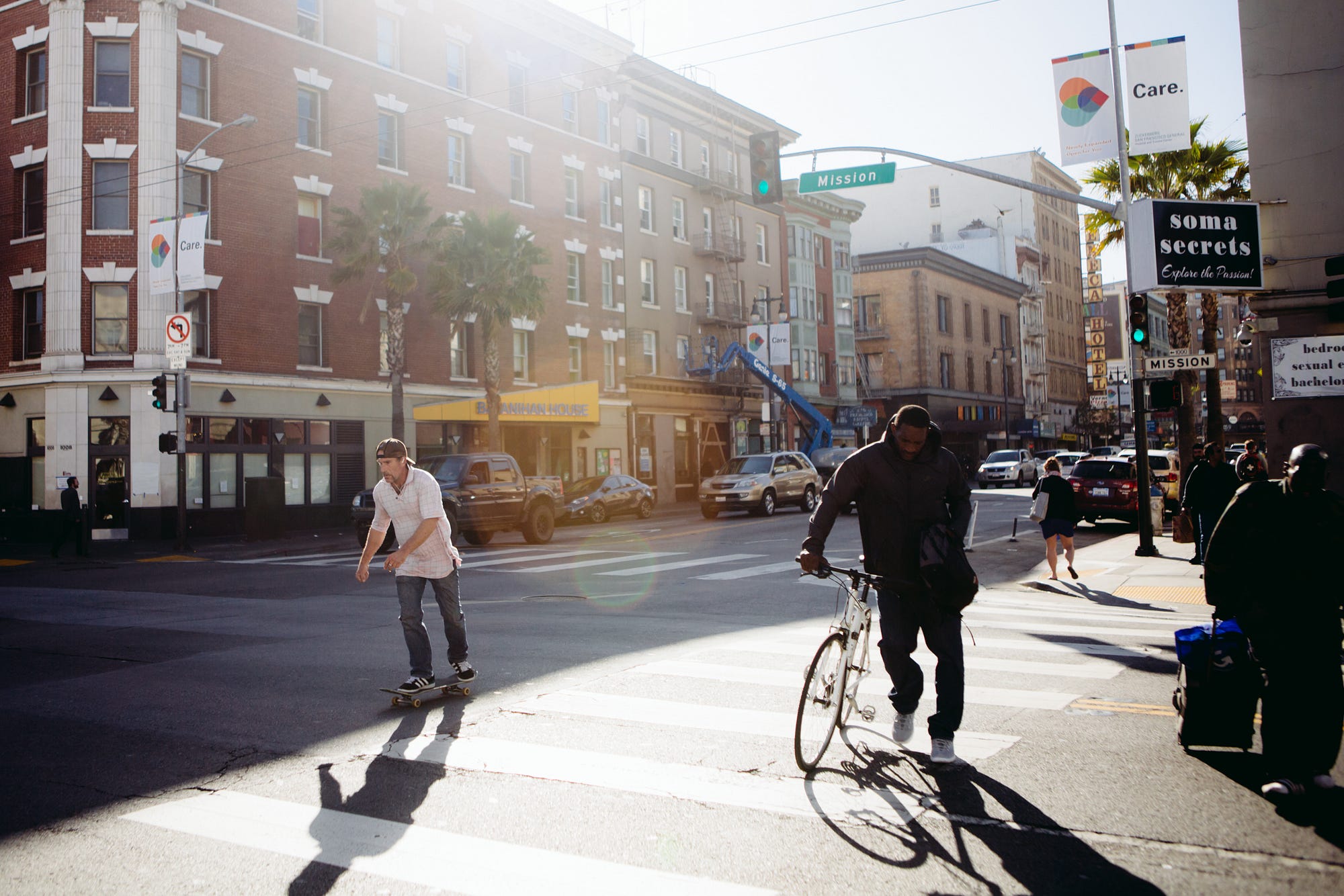
Researchers found the results interesting, however, one that struck MIT associate professor the most is that there are people leaning on sparing people with higher social/financial status than others.
To Spark A Conversation
Researchers said the study wasn’t meant to be a basis for future laws on autonomous cars but they hope that it would still spark a productive debate about self-driving technology’s hazards. MIT postdoctoral associate Edmond Awad suggested that experts should not to give in to alarming and concerning preferences of people, but instead, should be well-aware of them.
The results should be an eye-opener for everyone, including motorists, lawmakers, manufacturers, and the public. Hopefully, it will be a big help in making guidelines, especially now that the concept of self-driving cars is gaining popularity.
If it were you on a self-driving car about to hit six people on the road, would the vehicle choose to save yourself and hit the people instead or swerve the car to avoid the collision and sacrifice your life in instead?
More inDriving
-
 Credit Acceptance Pays $710 Million to Settle Predatory Auto Lending Claims
One of America’s largest subprime auto lenders has agreed to a massive settlement over allegations that it put financially vulnerable...
October 1, 2026 -
 EV vs. Hybrid vs. Gas | Which Car Works Best for a Road Trip?
A long road trip can reveal differences that city driving often hides. Charging time, fuel stops, highway range, energy prices,...
September 27, 2026 -
 Diesel Prices Exceed Historic $6 a Gallon as Iran War Intensifies
Diesel prices are soaring in the U.S. The national average reached $6.2694 per gallon on September 15, 2026, according to...
September 25, 2026 -
 Adding Your Teen to Your Car Insurance? Costs and Ways to Save
A newly licensed teen can bring excitement to a household, but the first auto insurance bill may bring a surprise....
September 19, 2026 -
 Here’s How Much Spending Money Your College Student Should Get
The tuition is paid, the dorm room is booked, the meal plan is set, and the car is packed. Your...
September 18, 2026 -
 How Much Money Should You Keep in an Emergency Fund?
With everyday expenses remaining high across the U.S. in 2026, an emergency fund can provide a needed buffer when an...
September 13, 2026 -
 How Staying With the Same Car Costs You More in Insurance
Loyalty usually sounds like something a company should reward. Stay with the same business for years, pay your bills on...
September 11, 2026 -
 State Farm Is Sending Out $5 Billion in Dividends. Here’s Who Qualifies
After several years of rising auto insurance costs, some State Farm customers are now getting money back. State Farm has...
September 6, 2026 -
 Nissan’s Big Bet on Aggressive Discounts Is Fueling Sales As Competitors Pull Back
Nissan is spending more money to get buyers into its cars, and the strategy is producing results. While several major...
September 3, 2026 -
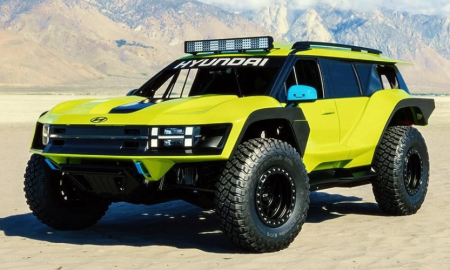 Hyundai Gives Its Wild Baja Santa Fe Render the Green Light
The Hyundai Santa Fe is designed as a practical family SUV, but a new digital rendering gives it a very...
August 30, 2026 -
 Andy Green and JCB Set New Hydrogen Speed Record of 406 MPH
Hydrogen power just had a very fast day in Utah. British land speed legend Andy Green drove the JCB Hydromax...
August 27, 2026 -
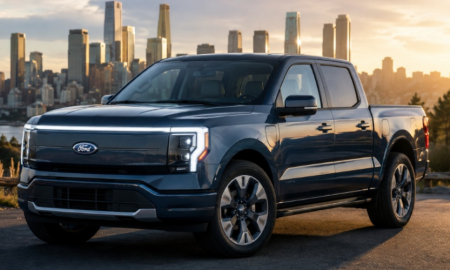 Ford Reveals “Fathom,” Its New Electric Truck With a $29,945 Price Tag
Ford is preparing a new electric pickup called the “Fathom,” with a planned starting price of $29,945 after destination. The...
August 22, 2026 -
 The Median Net Worth for Americans at Age 40 is Roughly $135k, Survey Shows
Turning 40 can make money feel more serious. Retirement no longer seems impossibly far away, housing costs may be substantial,...
August 20, 2026 -
 Michigan Woman Loses $1,000 in Ghost Tapping Payment Scam
Contactless payments have made shopping faster than ever, but scammers are finding new ways to misuse the same technology. A...
August 15, 2026
You must be logged in to post a comment Login