

Why Removing Chinese Hardware Could Disrupt the U.S. Auto Industry
The U.S. auto industry is entering a new chapter. This time, the challenge is not electric vehicles, battery technology, or self-driving systems. It is the urgent effort to remove Chinese-connected vehicle hardware from cars sold in the United States.
Federal regulators have made their position clear. Connected vehicle technology linked to China or Russia is now viewed as a national security concern. That decision is forcing automakers, suppliers, and technology companies to rethink supply chains that took decades to build.
However, the changes will not happen overnight. They will unfold over several years, but manufacturers have already begun making difficult decisions. Some companies are searching for new suppliers, while others are requesting temporary exemptions to keep popular vehicles on sale.
New Rules Are Reshaping the Auto Industry
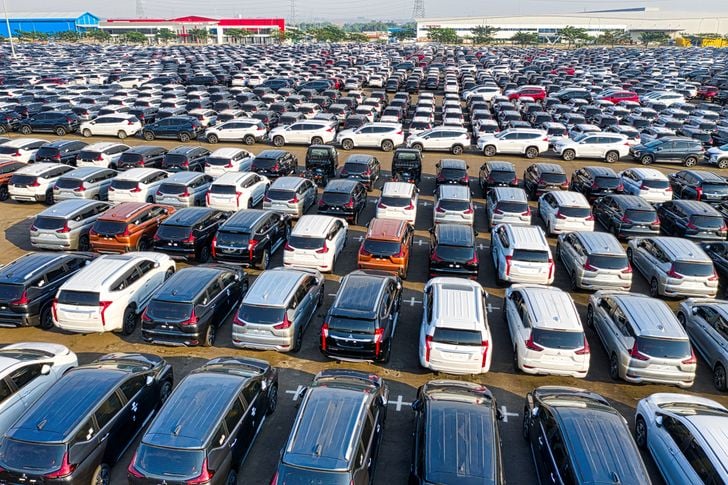
Tom / Pexels / The regulatory shift began with rules issued by the Commerce Department’s Bureau of Industry and Security, which took effect on March 17, 2025. These regulations prohibit the import and sale of connected vehicle technology tied to China or Russia.
The restrictions cover vehicle connectivity system hardware, including telematics control units, cellular modems, and software used in connected and automated driving systems.
The rollout follows a phased schedule. Software restrictions begin with the 2027 model year, while hardware restrictions take effect starting with the 2030 model year. Although the deadlines appear several years away, automakers are already working against the clock because redesigning supply chains requires years of planning and testing.
One important feature of the rules is their broad reach. The regulations do not apply only to vehicles built in China. A vehicle assembled anywhere in the world can still face restrictions if its connected hardware or software comes from a company controlled by Chinese interests.
That wide definition creates major compliance challenges. Many suppliers operate through international partnerships, joint ventures, or global production networks. Automakers must carefully trace every connected component before placing a vehicle in the U.S. market.
Automakers Are Scrambling to Find New Suppliers
Replacing Chinese suppliers is easier said than done. China has spent years building one of the world’s strongest automotive electronics industries. Many manufacturers rely on Chinese companies for affordable, reliable connectivity modules.
Now, new American suppliers are trying to fill that gap. Eagle Wireless, founded in late 2025, is one of the newest companies entering this fast-growing market. The company is expanding production in Ohio, with plans to supply U.S.-compliant connectivity modules to automakers nationwide.
The opportunity is enormous. Eagle Wireless expects to generate nearly $100 million in revenue while significantly expanding its workforce. That growth reflects the rising demand for domestic alternatives as manufacturers prepare for the upcoming hardware restrictions.
Still, building a competitive supply chain will take time. Eagle Wireless initially licensed module designs from a Chinese company before beginning work on its own technology. The company hopes to fully replace those designs before the 2030 deadline arrives.
Cost remains another challenge. Industry estimates suggest American-made connectivity modules currently cost between 5% and 15% more than comparable Chinese products. Those higher costs could eventually affect vehicle pricing if manufacturers cannot offset the difference through larger production volumes.
Exemptions Offer Temporary Relief
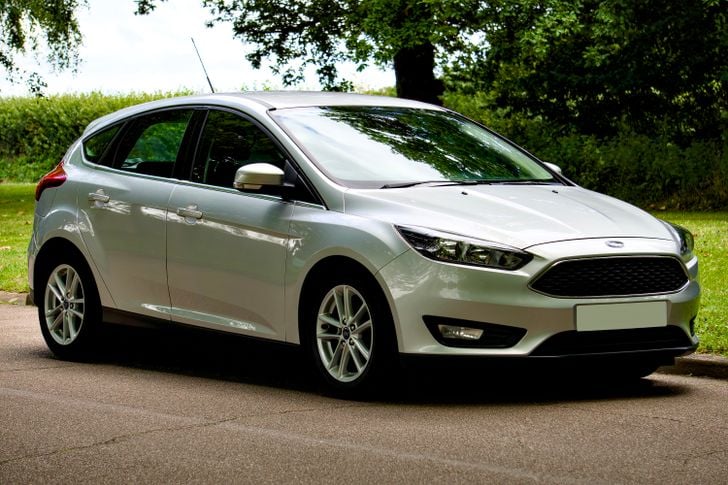
Mike / Pexels / Ford Motor Company has confirmed it is seeking approval to continue importing the China-built Lincoln Nautilus SUV.
Although the vehicle’s software was developed in the United States, installation takes place in China. That production detail places the model under federal review.
The exemption process highlights how deeply connected today’s automotive industry has become. Manufacturing no longer happens inside one country from start to finish. Components often cross multiple borders before a finished vehicle reaches a dealership.
Volvo Cars became one of the first companies to receive authorization. The automaker pointed to its significant manufacturing operations and investments in the United States as it sought approval. Federal officials accepted that argument under the current review process.
More inAuto News
-
 Credit Acceptance Pays $710 Million to Settle Predatory Auto Lending Claims
One of America’s largest subprime auto lenders has agreed to a massive settlement over allegations that it put financially vulnerable...
October 1, 2026 -
 EV vs. Hybrid vs. Gas | Which Car Works Best for a Road Trip?
A long road trip can reveal differences that city driving often hides. Charging time, fuel stops, highway range, energy prices,...
September 27, 2026 -
 Diesel Prices Exceed Historic $6 a Gallon as Iran War Intensifies
Diesel prices are soaring in the U.S. The national average reached $6.2694 per gallon on September 15, 2026, according to...
September 25, 2026 -
 Adding Your Teen to Your Car Insurance? Costs and Ways to Save
A newly licensed teen can bring excitement to a household, but the first auto insurance bill may bring a surprise....
September 19, 2026 -
 Here’s How Much Spending Money Your College Student Should Get
The tuition is paid, the dorm room is booked, the meal plan is set, and the car is packed. Your...
September 18, 2026 -
 How Much Money Should You Keep in an Emergency Fund?
With everyday expenses remaining high across the U.S. in 2026, an emergency fund can provide a needed buffer when an...
September 13, 2026 -
 How Staying With the Same Car Costs You More in Insurance
Loyalty usually sounds like something a company should reward. Stay with the same business for years, pay your bills on...
September 11, 2026 -
 State Farm Is Sending Out $5 Billion in Dividends. Here’s Who Qualifies
After several years of rising auto insurance costs, some State Farm customers are now getting money back. State Farm has...
September 6, 2026 -
 Nissan’s Big Bet on Aggressive Discounts Is Fueling Sales As Competitors Pull Back
Nissan is spending more money to get buyers into its cars, and the strategy is producing results. While several major...
September 3, 2026 -
 Hyundai Gives Its Wild Baja Santa Fe Render the Green Light
The Hyundai Santa Fe is designed as a practical family SUV, but a new digital rendering gives it a very...
August 30, 2026 -
 Andy Green and JCB Set New Hydrogen Speed Record of 406 MPH
Hydrogen power just had a very fast day in Utah. British land speed legend Andy Green drove the JCB Hydromax...
August 27, 2026 -
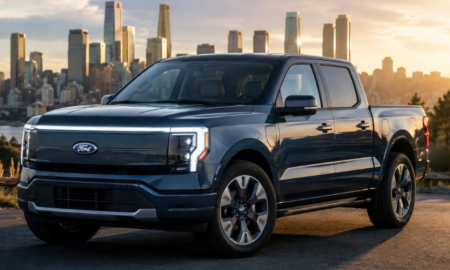 Ford Reveals “Fathom,” Its New Electric Truck With a $29,945 Price Tag
Ford is preparing a new electric pickup called the “Fathom,” with a planned starting price of $29,945 after destination. The...
August 22, 2026 -
 The Median Net Worth for Americans at Age 40 is Roughly $135k, Survey Shows
Turning 40 can make money feel more serious. Retirement no longer seems impossibly far away, housing costs may be substantial,...
August 20, 2026 -
 Michigan Woman Loses $1,000 in Ghost Tapping Payment Scam
Contactless payments have made shopping faster than ever, but scammers are finding new ways to misuse the same technology. A...
August 15, 2026
You must be logged in to post a comment Login