
The mysterious disappearance of a woman named Flora Stevens in 1975 was a case that was unsolved for many years. She vanished one day after she was admitted to a local hospital in the New York City area. 42 years later, in 2017, detectives finally made progress on the case. However, the story still puzzles them to this day.
Here’s what makes matters so much more peculiar. After being found, Flora herself couldn’t shine much light on her own disappearance. Her case took over four decades to solve, but it still baffles those who dive deeper into the circumstances. Curious? Keep reading…
It All Began On The Eve Of August 1975
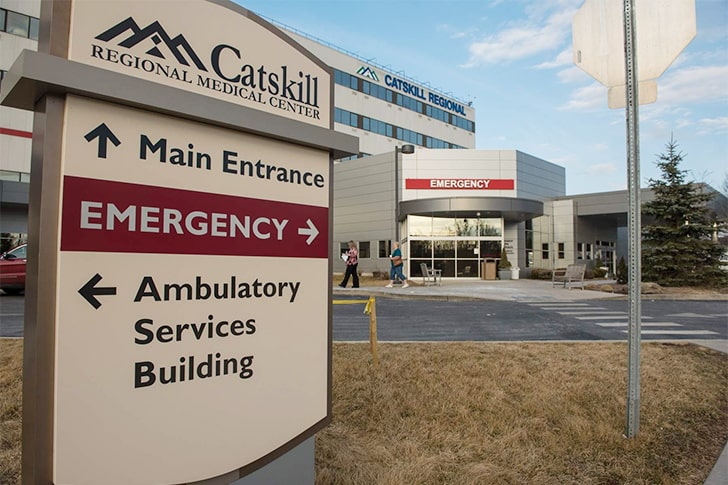
Florence “Flora” Stevens lived and worked in New York in the ’70s. She was one of the many workers who found jobs in the northern New York lake-laden area. Hotel workers are highly sought after during summers, and Flora reportedly worked at a popular hotel named The Concord. Back then, it was located in Catskills’ Borscht Belt.
According to online reports, she and her husband, Robert Stevens, both worked at the hotel resort for several summers before 1975. The place was torn down and doesn’t exist anymore today. That year, on the eve of August 3rd, Robert had dropped Flora off at one of the local medical centers in Monticello.
Missing In Monticello
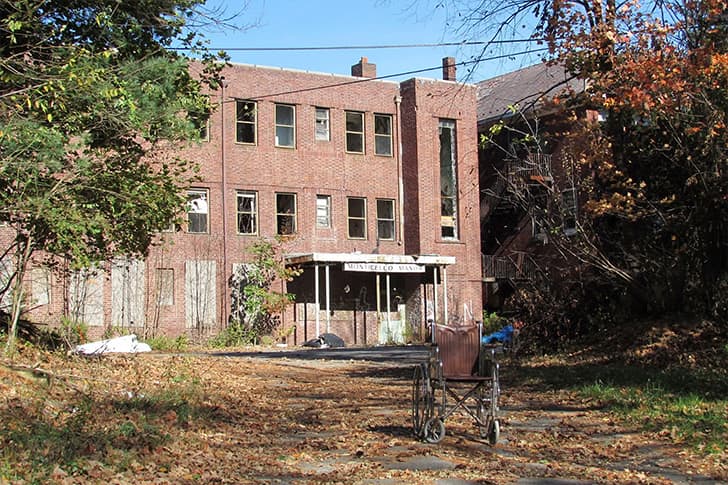
This is how the center where Flora was last seen in looks now. It opened in 1924, and the funding for its construction was raised by a group of women from Monticello. They called themselves the Hebrew Ladies Society, and they raised $75K in total. It initially had 21 beds, and a nearby building was also rented as the nurses’ home.
It later merged with other medical centers and formed the Community General Hospital of Sullivan County. However, in 1977, just two years after Flora disappeared, this center was closed down and used for other purposes. Later on, after severe deterioration, the state ordered a closure of the building.
An Identity Dulled By Dementia
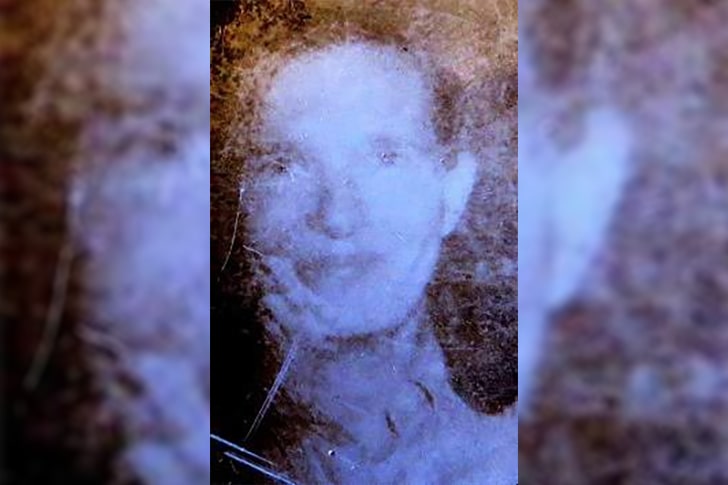
When Flora was found, this was one of the few photographs of her available to the detectives. It’s the one she used in her job application for The Concord in 1975. It was crucial in confirming her true identity, for she was found under a different name—Flora Harris. Already 78 years old, she was then a resident at an elder care center near Boston.
Detective Rich Morgan (Sullivan County sheriff) and Detective Sgt. Ed Clouse found Flora after initially following a false lead. Unfortunately, she’s developed dementia and couldn’t say much. The police only believed they found the right person because of her positive reaction to this photo.
Positive Reactions To Memories Of The Past

This is another photo the detectives showed Flora, and it is of The Concord‘s spa area. She also reacted quite positively to this, showing recognition in her facial expression, and even yelling “Wow!”. According to the detectives, she would hold on to this photo for quite a long time.
Now, the key to interpreting this is the testimony of Festus Mbuva, who worked at a Lowell, Massachusetts care center near Boston. Apparently, he took care of Flora for ten years before she was found. He said that Flora barely ever responds to what’s happening around her, let alone react positively, like when looking at the photos.
A Bit Of Flora’s History

The application that Flora filed at The Concord, which contained her photo, was dug up by the detectives. It was signed with the name ‘Mrs. Flora Stevens’ and said that she had previously studied at Lincoln High School. That’s approximately a two-hour drive from the location of the hotel where she worked.
Very little is known about Flora’s past life, besides the fact that she was married to Robert Stevens. She listed him on the job application also, and he also reportedly worked there. The address in this document was in Seattle, and there was no other info.
Left With Cold Trails

Technology today allows us to store, reach, and research date pretty fast and accurately. But just 40 years ago, it was a different story. The laws and regulations were also somewhat looser. For instance, although Flora has applied for a job in 1975, she left no contact info.
In fact, it was not even confirmed without a doubt if Robert was indeed her husband. Robert Stevens is the man who reported Flora missing in 1975. When the police showed her his photo, she reportedly said his name. However, that man died back in 1985.
Additional Information Among Lost Data
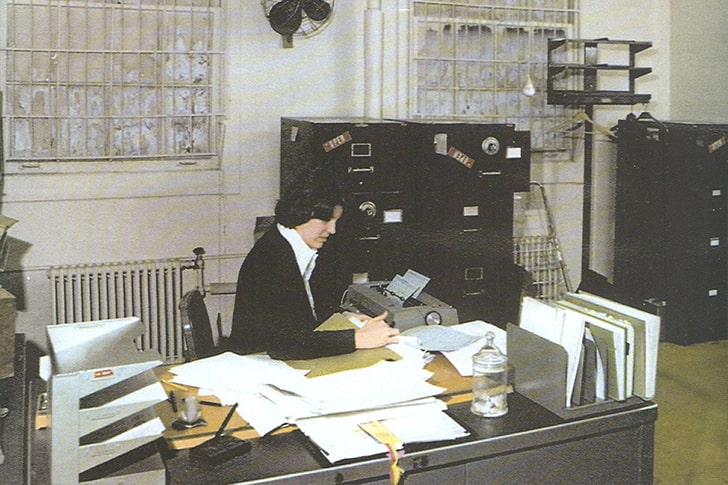
Flora’s disappearance raised red flags back then because it was her alleged husband that had last seen her. However, the police weren’t able to determine anything about that case. They haven’t excluded several other explanations because it is hard to find data that old, either.
Festus Mbuva, the former worker who took care of Flora, gave his account on what he believes might be a solution. He said he believes Flora didn’t want to be found. Somehow, he had a feeling that she was running away from something in her past. Whatever it was, it seems it’s forever lost due to the way data was handled back in the ’70s.
What Happens To Unsolved Cases?
The investigation conducted after Flora disappeared in the ’70s bore no real leads presumably, so eventually, it was let go. A vast majority of cases like this do come to a successful conclusion, but some are left open indefinitely. An example is the disappearance of Amelia Earhart, whose 122nd birthday was in 2019.
In 1937, when she was about to turn 40, Amelia vanished with her navigator, Fred Noonan. Until now, no one has produced any lead or explanation to her circumstances—though several theories exist. Such unsolved cases are left in the police system, and if any new evidence comes up, they get reopened. That’s what happened to Flora’s case.
Encountering A Dead Body
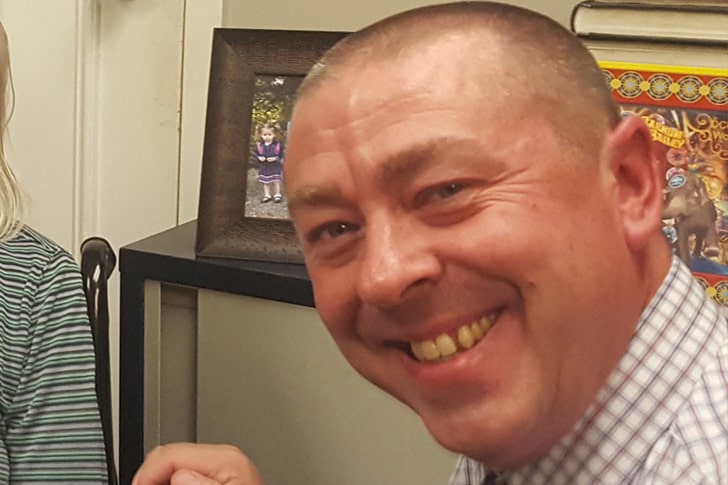
When skeletal remains were found in the Catskills area, where Flora had disappeared, the Sullivan County Sheriff’s Office got involved. Detective Rich Morgan, together with a senior investigator of the New York State Police named Yan Salomon, looked together at the remains as a potential lead.
However, what was found turned out to be a false lead. Still, it did light the spark of interest in Detective Morgan, the gentleman in the photo above, for he decided to dig deeper. Firstly, the remains did match some of the details in the case of Flora Stevens. This was enough to get the case reopened.
On A Hot Pursuit
A DNA test of the skeletal remains proved that they did not belong to Flora Stevens. This got Detective Morgan looking in her files again, though. The trouble is that a case this old is not that easy to dig up once more.
Firstly, the mentioned scarce info available from the time when Flora was alive offered no concrete clues. Secondly, the next step would presumably be to try and find someone who knew the person in question. Since the woman has been missing for 42 years already, this only led to another dead end.
Pretty Much Like True Detective

Working on old missing person cases can inspire a certain type of obsession in good investigators. A good example is a character from the True Detective TV show. His name is Detective Rust Cohle, and he is played on camera by Matthew McConaughey.
Cohle is one of the two main protagonists of the show’s first season. They work on similar missing person cases, which happens to be linked to disappearances long before they were on it. The general lack of info, clues, and any solid leads create this masterfully presented atmosphere. The detectives leave no stone unturned trying to shake any loose piece of evidence.
Good Old-fashioned Hunt
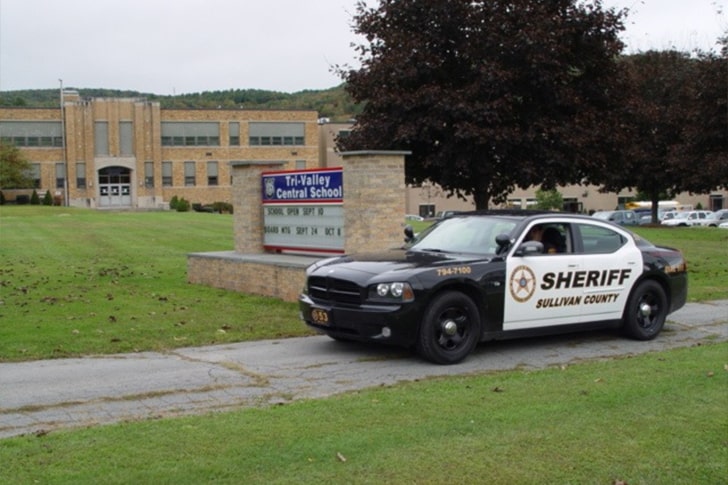
Online reports are a bit scarce at this point. Without knowing too much about police work, Detective Morgan and Detective Sgt. Ed Clouse probably had to do a lot of legwork and research. However, they had Flora’s social security number, her date of birth, and perhaps some other minor details.
As it turns out, these bits of details about Flora were enough to produce a lead. Later on, Detective Morgan would be interviewed about how he made a break in this case. In it, he would credit the technology and the availability of information around today.
The Pros Of Today’s Technology
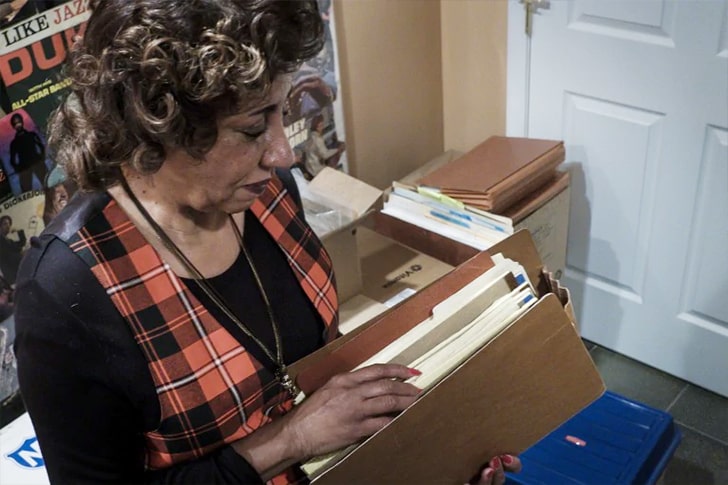
Doing research and chasing a lead in the old days like the ’70s were complicated. It involved a lot of paperwork, phone calls, fax machines, and all those were sorted out manually. Now, we can research so much so fast, and this is how the case was cracked in.
Since the skeletal remains didn’t belong to Flora Stevens, detectives Morgan and Clouse did a just-in-case check of the social security number they had on her. It yielded a name in the system, and that person was Flora Harris. She was using it in Lowell, Massachusetts. When you’re a detective, you don’t believe in coincidence.
Massachusetts, Here We Come!
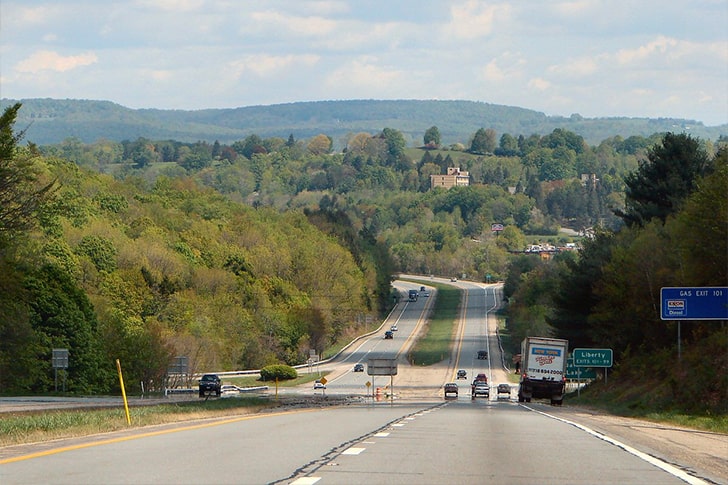
Now that we think about it, what the detectives did was more than a routine check. If someone with a similar name in Massachusetts was using the same social security number, most folks would probably just contact the local police there. Perhaps they would’ve just left the case to them, too.
Morgan and Clouse drove all the way to Massachusetts, and it wasn’t even a short road trip. It’s a four-hour drive in optimal conditions, according to online sources. Maybe they had a hunch and thought they could potentially solve a case that’s almost as old as they are.
Does The Police Follow Every Trail With This Kind Of Tenacity?
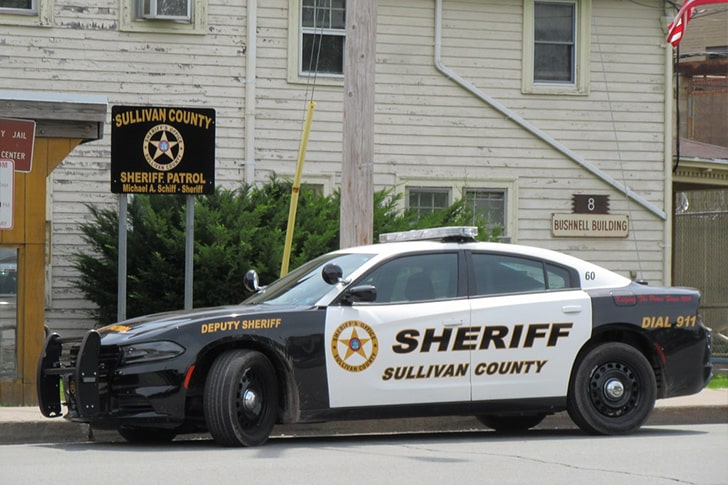
Given the crime rates and the overall number of employees in the police force of the entire country, authorities are seriously undermanned. The police often don’t have the time nor the workforce available to check up even better leads.
However, this case involved multiple departments. It started with senior investigator Yan Salomon of the New York State Police, who discovered the remains. He clued the Sullivan County detectives in, and the chase started from there. Later on, after they’ve conducted the DNA test, Yan left the case in the hands of Morgan and Clouse.
Dusting Off Old Files
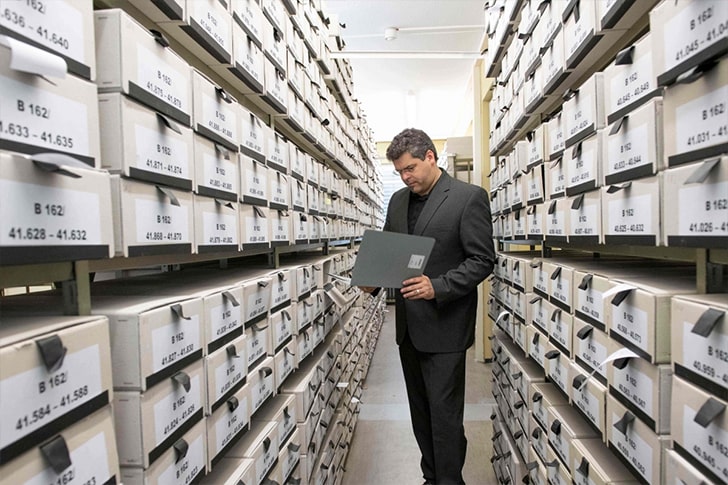
Without knowing the details of how police investigations work, it is presumed that Detective Morgan was then tasked to connect the dots—if there are any. By 2016, the official number of women still missing with their cases open was 21,894.
There are over 70,000 new cases of missing women over the age of 18, and this one was sitting in storage for 42 years. Perhaps Detective Morgan initially thought he was not having a good day when he was assigned the case. After all, it probably looked like a dead-end.
Hard Work Pays Off
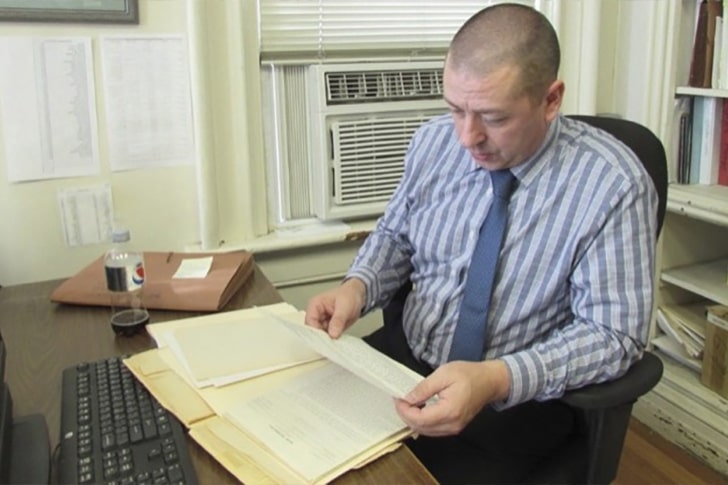
Thanks to all the research, Morgan finally stumbled on a major clue with the social security number. That’s not the only thing he came upon. It was later revealed that the dates of birth also matched. In summary, there was the same first name, but a difference in the last names. Plus, the birth date and social security number were also the same.
At that point, the detective took some old photographs with him—presumably found in the evidence that was logged with the old case—and set off for Lowell. However, when the woman was found, Morgan’s victory was bitter-sweet.
The Details Given To The Public
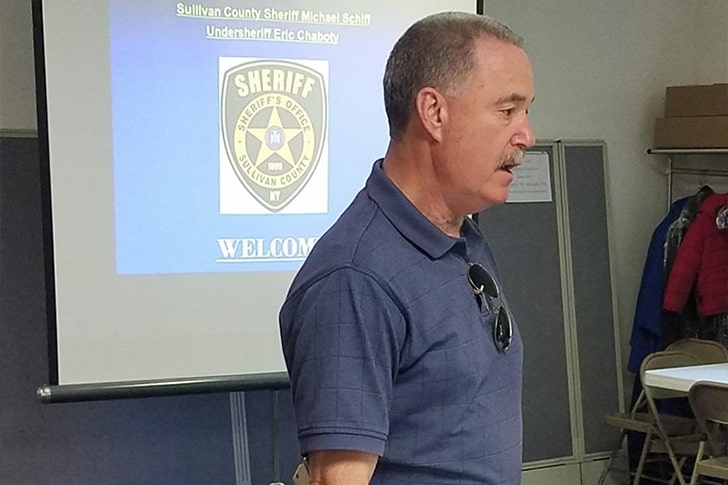
After Detective Morgan tracked Flora Harris down at the CareOne center in Lowell, Massachusetts, he had hit a brick wall. When the woman was found, he discovered she has dementia. She barely spoke and could not answer any questions the police asked her with much certainty.
However, the official statement says that the police believe they have the right woman, Flora Stevens. Her positive reaction and recognition of the photos, her first name, and the testimony of the man from the care center who knew her behavior well were enough. But still, numerous questions remain unanswered.
Festus Mbuva’s Testimony
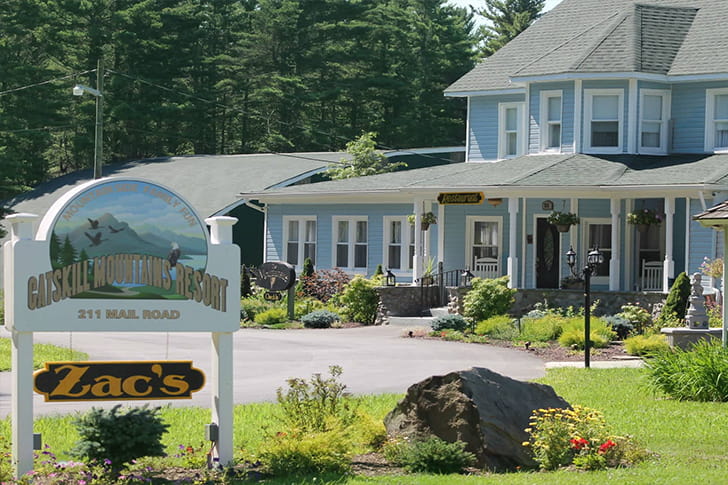
Detective Morgan, along with Yan Solomon and Ed Clouse, has a few theories of his own about what happened with Flora in between the disappearance in 1975 and her re-emergence in 2017. The testimony of Festus Mbuva, who worked at the CareOne facility, also provides some ideas.
Mbuva had been working with Flora for ten years, and the documents revealed that she was admitted in 2001. Mbuva emphasized that when he would try to start a conversation with Flora about her past life, family, or New York, she would close up immediately.
Theories From The Authorities
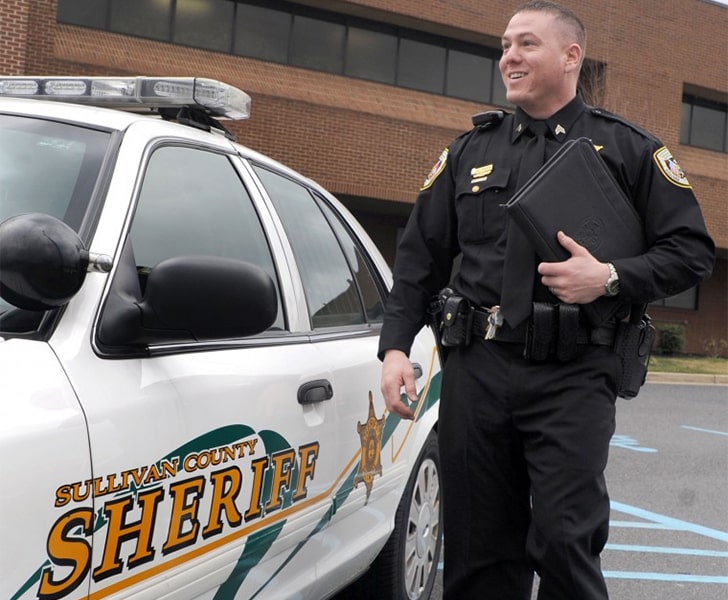
Detective Morgan has given some ideas about what might have happened during the time of Flora’s disappearance. Actually, he has attempted to reconstruct the events before the happening. One of his theories relies on the fact that it happened during the weekend.
Morgan presumes Flora had her pockets full of tips and cash from her job at The Concord hotel. The reason why she went to a hospital that night is reportedly known to the police. However, they cannot release it to the public for privacy laws. There’s a bus station near there, so Morgan says it is possible she perhaps walked there afterward.
Dementia Might Have Played A Role In What Happened

Some reports circulating around this case imply that the woman’s psychiatric problems might have even kicked in during the ’70s. This can provide another potential explanation of what happened. Dementia in itself is quite a broad category.
It includes a broad array of neurological disorders that are often long-term and happen gradually. So, it is possible for it to start off early on in the life of a person affected. Also, the effects are often strong enough to impair a person’s ability to function on a daily basis or even to think properly.
A Bittersweet Victory

Finding out that Flora is alive and well-cared for after missing for over four decades is certainly a big deal. However, dedicating all your time and energy to completing a puzzle, only to find that there are still parts of it missing, is a hard blow.
Flora has no living relatives today. At the time of her disappearance, it was not an uncommon thing. The sheriff detective Art Hawker, who worked on the original case in 1975, said that he did give it special attention. Since it was the woman’s companion that had seen her last, it’s a standard procedure to think of it as a red flag.
The One Clue Left Behind

As mentioned, technology during that time was very limited, and detective Art Hawker soon ran out of ideas and leads. He couldn’t do the research that detectives today can perform without ever leaving their office.
The US social security number has nine digits, and it is issued to citizens who are permanent residents. It is also issued to those working there temporarily. The initial idea was to allow tracking of individuals. But over time, this number has become what is called a de facto identification number. It’s now also used for other purposes.
Health Care In The USA

Despite the common misconception, the health care system in the US is not universal, nor is it universally accessible. It is comprised of both privately-funded and public institutions, and it is fragmented into numerous different programs and systems.
This might be the explanation of why Flora was able to perhaps use her social security number without being tracked down. Nothing was yet computerized, and the police would do such a check only in some other more serious crimes. A person who disappeared is usually not presumed to be using her social security number.
Are You Flora Stevens?
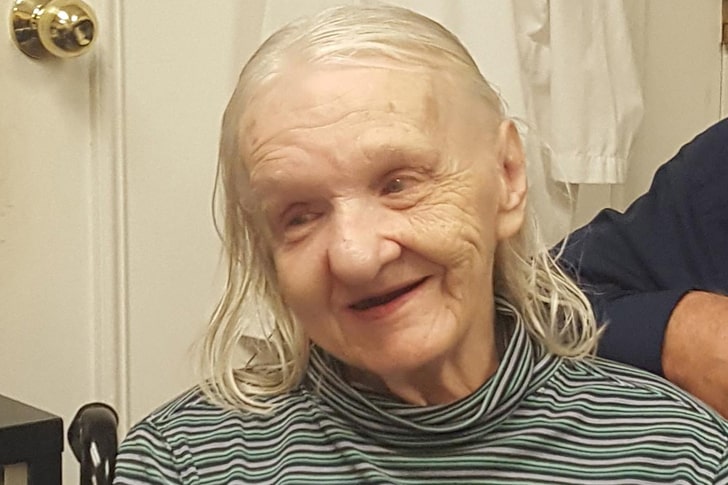
This is the woman that detectives Morgan and Clouse had tracked down in Lowell’s CareOne facility back in 2017. She’s 78 years old here, and her dementia is at a severe stage. It is best described by her reaction when she was shown her own old photo and others.
She was filled with joy when detectives started showing her pictures that were connected to Flora Stevens. Festus Mbuva even said that her favorite expression was “none of your business”. So, it was obviously quite rare for her to act in such a jovial way.
She Might Have Been Running Away

The testimony that Festus Mbuva gave about Flora indicated that she had a highly negative attitude towards her past life. The circumstances of how she arrived at CareOne are either unknown or undisclosed by the police and the institution itself.
In fact, no one can really say if she was found somewhere, came there by herself, or if someone checked her in. As we know by now, she simply arrived there in 2001. However, it is also unknown how her stay was paid for and where the money had come from.
“Me!” Is What She Claimed
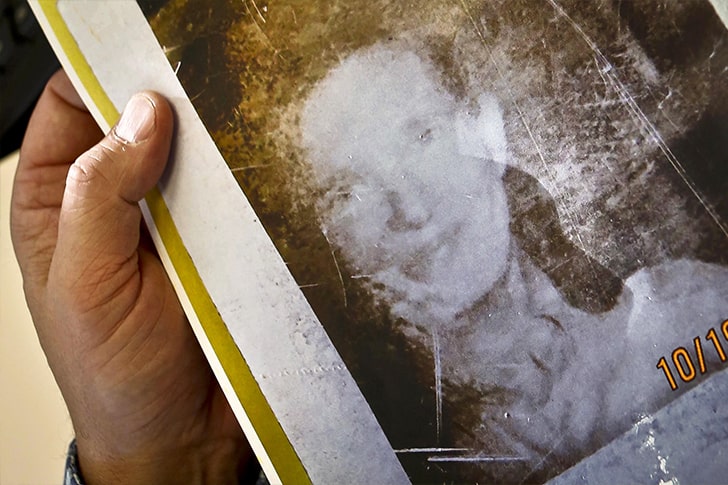
When this photo was shown to Flora, she actually responded with a clear “Me!”. We cannot tell for sure, and the police are still operating on the assumption. Yet, there is a definite similarity in the face, smile, and eyes.
The decline of her mental condition and the passing years have both affected her appearance. It has affected her eating, cognitive functions, and overall state. However, she was still well enough to respond to the photos and questions in a certain way. Mbuva says that she would answer with “No!” whenever he tried to ask her about her past.
The Case Went Viral

After the story broke out, it spread all over the news. This might have also been a part of the police efforts to determine if somebody alive today knows this person. This way, they can confirm or disprove their findings. To our knowledge, this yielded no results.
However, it has made for certainly one interesting story. If this woman is Flora, she certainly doesn’t appear to have been a victim of some dire circumstances or abuse between her disappearance and now. Still, we can’t tell for sure. Again, the police reports are closed off at this point.
The Ring On Her Hand

The initial theory, which the police followed at the time of Flora’s disappearance, was that her late husband has had something to do with it. After all, it’s suspicious that he just dropped her off and didn’t even stick around to see what’s up or to drive her back home.
Still, Flora has her ring on her finger, which might indicate that she was not running away from any marriage problems. Whatever the case was, we might never know for she either can’t or won’t talk about what really happened.
A Life Saved Is A Case Solved
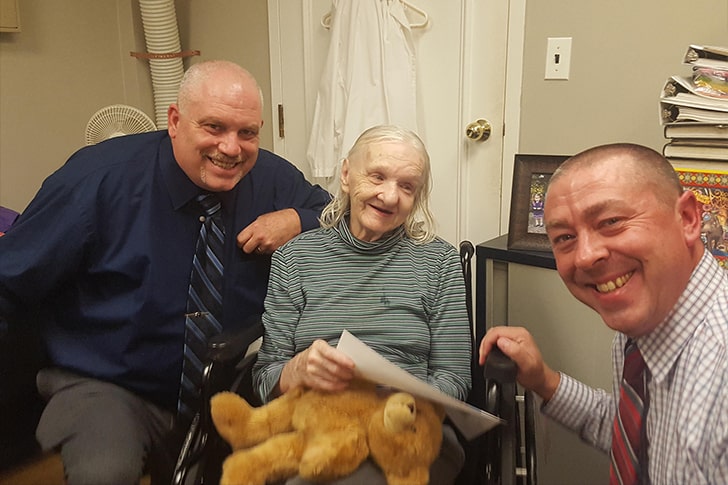
Whatever the case may be, finding a disappeared person after so many years and finding her alive is a win. In the photo, on the right is the Sullivan County sheriff detective Rich Morgan and on the left is Detective Sgt. Ed Clouse with Flora looking happy.
She holds in her hands what we presume are the photos of her past, which, despite Mbuva’s testimony, indicate that her past was not all that grim. Perhaps her dementia is the cause of all this fuss. We may never know for sure, but at least she’s all smiles!