
Pet owners everywhere know their furry friends so well that they can tell what their animals need just by a gesture. They may not be able to speak the same way we do, but our fluffy companions have developed several ways to communicate with us.
Knowing our pets’ cues is an essential part of animal care. We might need to give them more attention, they might need a little bit more physical activity, or maybe they’re just hungry. But if any of our pets’ behaviors are still confusing, this guide can help clear things up.
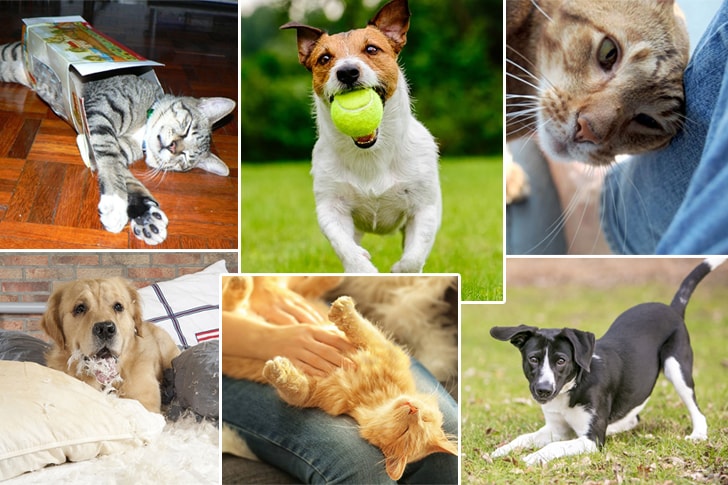
The Meaning Behind Those Puppy Eyes
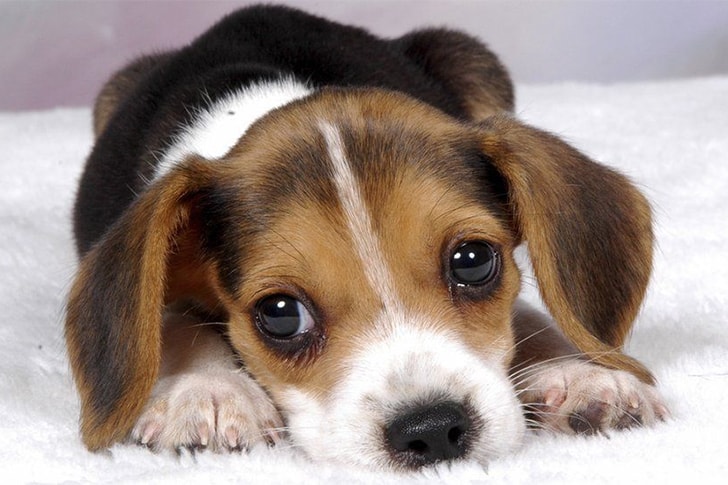
When dogs have that adorable look in their eyes, we often assume that they want something from us, maybe food or our undivided attention. But it actually depends on the situation. According to dog behaviorists, sometimes this particular expression is a response to our moods.
Dogs are highly attuned to our emotions. If we’re feeling stressed, vulnerable, sad, or any other negative emotion, they easily pick up on it and give us the puppy-eyes expression in an attempt to comfort us. This one of the reasons dogs are used for therapy.
Showing Off Their Catch
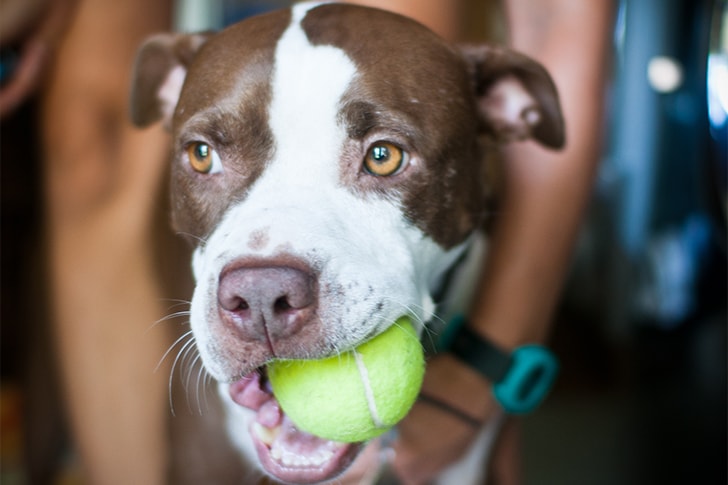
We all tend to think that when dogs come to us with objects such as balls in their mouths, it means that they want to play fetch. But sometimes that may not be the case. Some dog breeds are actually more possessive than others, so they might be showing off their prizes.
As a result, dogs won’t release their trophies unless we train our pets to drop them. So if we want our dogs to play fetch for a bit of fun and exercise, we first need to teach them how the game works, remembering that positive reinforcement is always the best strategy.
The Language Of Yawning
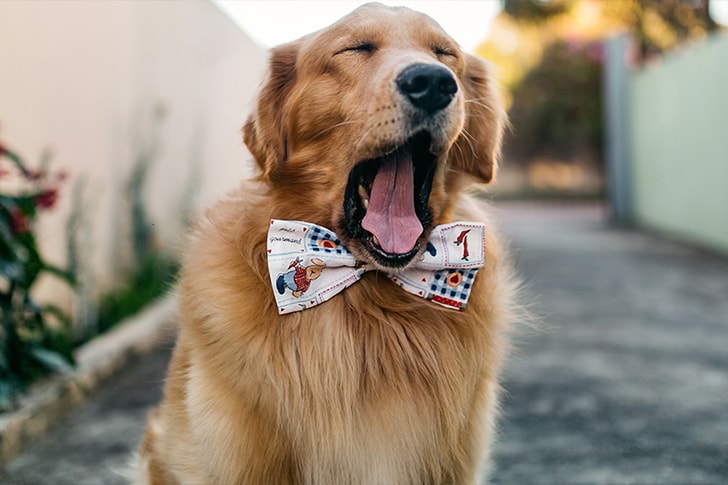
We humans associate the act of yawning with feeling tired or bored. But this is not quite the case with dogs, for whom yawning is a signal that they are starting to feel overwhelmed and need a little break. This behavior is most often seen during training.
Therefore, a dog yawning while being taught something can mean that the pooch’s brain is on overload and needs a breather. This could explain why dogs yawn on the way to the veterinarian as well. If another dog in the vicinity is being aggressive, a yawn can also be a signal to calm down.
Attached Like Velcro
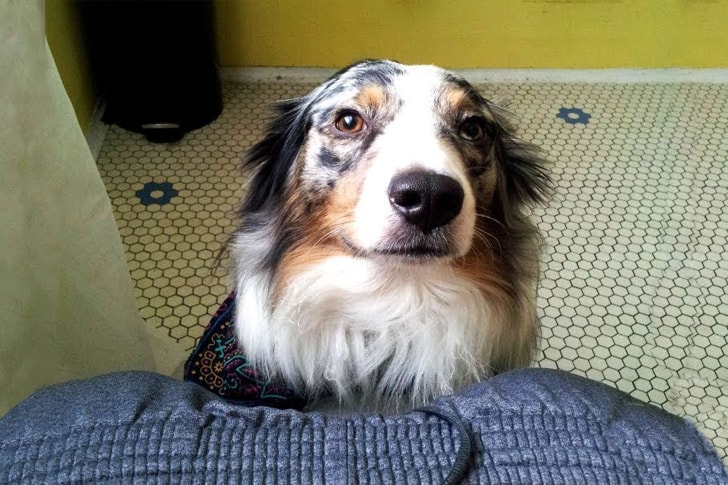
We intuitively understand that when our dogs follow us everywhere, it means that they love us. But it goes far beyond that in dog psychology. To them, we’re part of their pack, which is a key aspect of this behavior that affects their emotional state.
Since we’re their pack members, dogs feel more secure when they’re near us, so that they will even follow us to places where they’re not wanted, such as the bathroom. We usually think it’s cute, but it can sometimes lead to dogs suffering from depression if we leave them alone for long periods of time.
“Please Don’t Leave Me!”
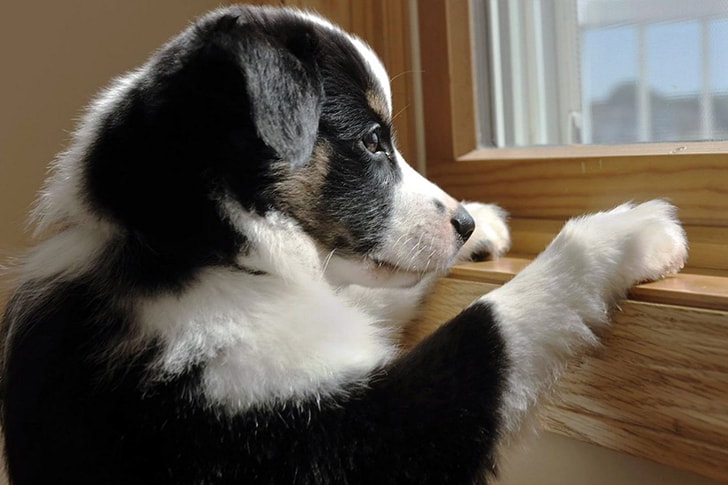
The pack mentality is also why dogs suffer from separation anxiety when we inevitably have to leave them even though it breaks our hearts. Most of us probably wish we could just explain to our pets that dog food isn’t going to pay for itself.
But there are various ways to deal with this problem, depending on its severity. If it’s a mild case, then it can be resolved by making sure our canines have plenty of toys to keep them occupied long enough to prevent them from missing us too much.
Our Own Personal Guards
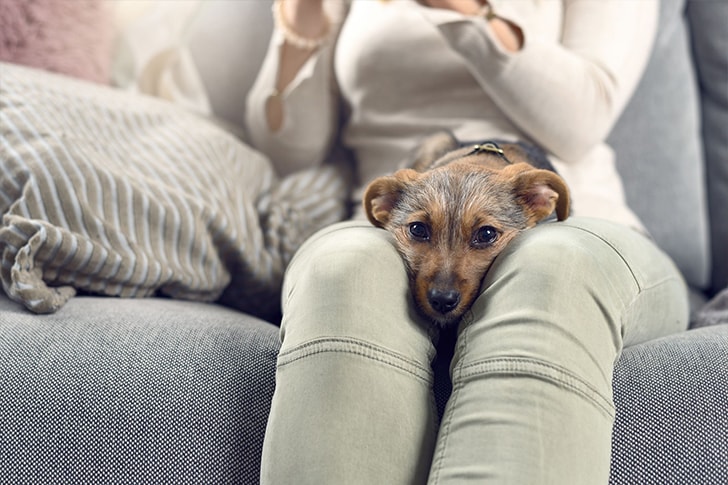
Dogs are known to be very protective of their owners. They have been used for hundreds of years to guard places and people, a practice that continues to this day. There’s a reason why some houses still post a warning that reads, “Beware Of Dog.”
Some dogs have even been bred for this purpose, so certain dog breeds tend to better for guarding properties, especially larger breeds that look more intimidating and have good watchdog instincts. These breeds include German shepherds, Dobermans, miniature schnauzers, and terriers such as the Scottish terrier.
Apologizing For Being Naughty
We all know that dogs can sometimes be a handful, especially when their behavior is destructive. Nonetheless, when owners come home to discover that their dogs have destroyed their living-room furniture, they need to take a deep breath before they lash out on their pets.
Most of the time, dogs know when they’ve done something bad. As a result, they will hide instead of facing their humans or give them that guilty look with their ears down and their tail between their legs to show that they’re sorry for their behavior.
Our Cats Aren’t Sticking Their Tongues Out At Us
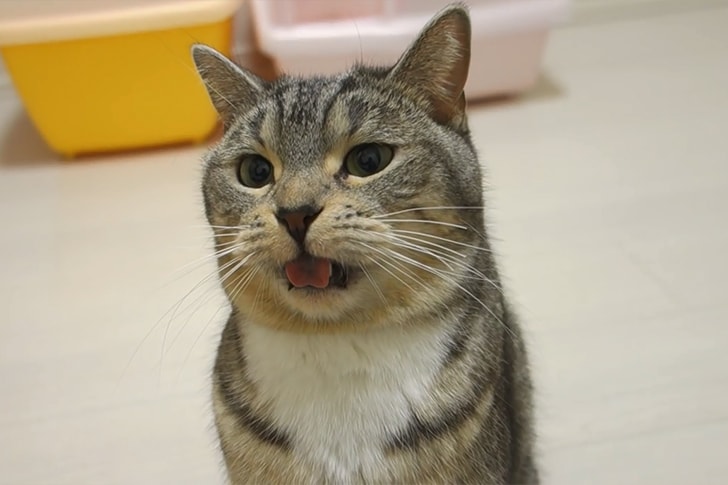
Cat owners know that every once in awhile their pets make a strange facial expression in which they open their mouths and stick their tongues out, sometimes squinting their eyes. It might seem like our cats are disgusted by something, but the true reason is much more mundane.
When a cat makes this expression, it’s actually processing a new smell through the roof of its mouth, where it has a specialized sensory region known as Jacobson’s organ, sometimes called the vomeronasal sac. In other words, this is just the feline version of sniffing the air.
Why Dogs Indulge In Pillow Fights
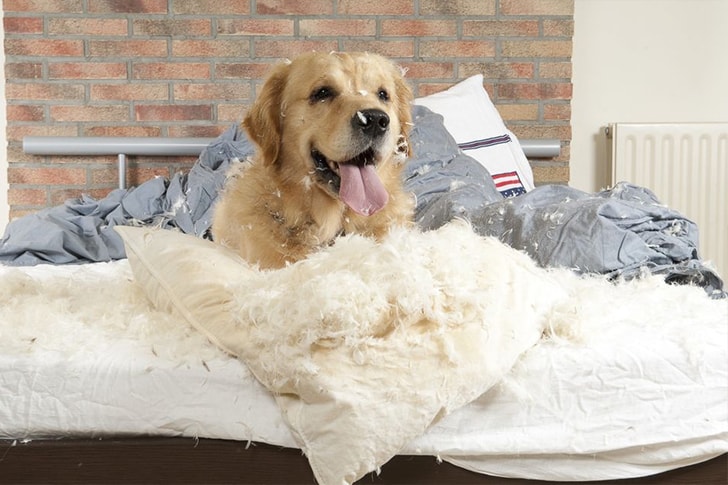
Puppies have a bad rap for chewing on a wide arrange of objects, from toilet paper to footwear, but among the things they especially love to chew are pillows. Why do our dogs feel so compelled to destroy the fluffy cushions where we lay our heads at night?
Well, experts agree that the root cause behind destructive behaviors such as pillow trashing is separation anxiety. In other words, our dogs have been spending too much time alone and bored, a problem that is easily fixed with a little more attention and physical activity.
The Significance Of The Confused Head Tilt

When on occasion our dogs tilt their heads while looking at us, it may seem to our untrained eyes that our pets are confused by what we’re saying, but it can be something else. Perhaps their muzzles are preventing them from seeing something, so they’re tilting their heads to catch visual cues more effectively.
On the other hand, dogs might be trying to compensate for feelings of disorientation by tilting their heads to shift their balance, which is controlled by the vestibular system in their ears. If our dogs start exhibiting this behavior a little too often, it’s time to call the vet.
Why Dogs Roll In The Dirt
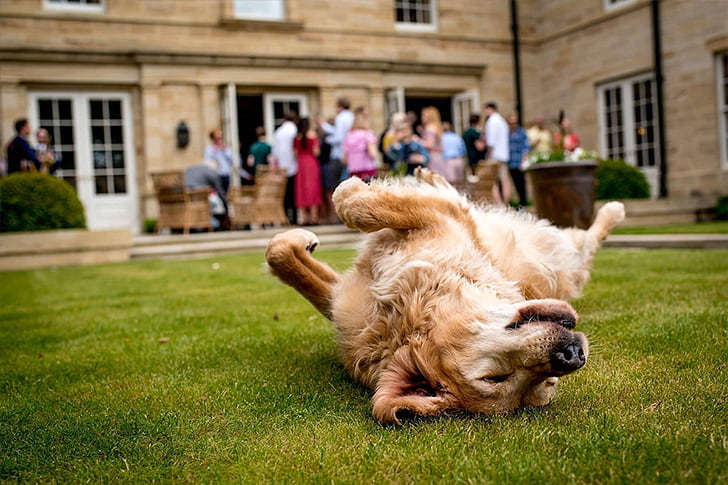
After their proud owners had just taken the time to give them baths and brush their beautiful coats, dogs typically roll around in dirt, grass, mud, or worse – feces. This behavior can be infuriating, but there are theories to explain why dogs have such strange impulses.
Canines are said to have this behavior deeply rooted in their gene inheritance, dating back to when their wild ancestors would mask their scent by rolling in anything they could find in their surroundings. This strategy would have helped them sneak up on their prey.
A Playful Pose
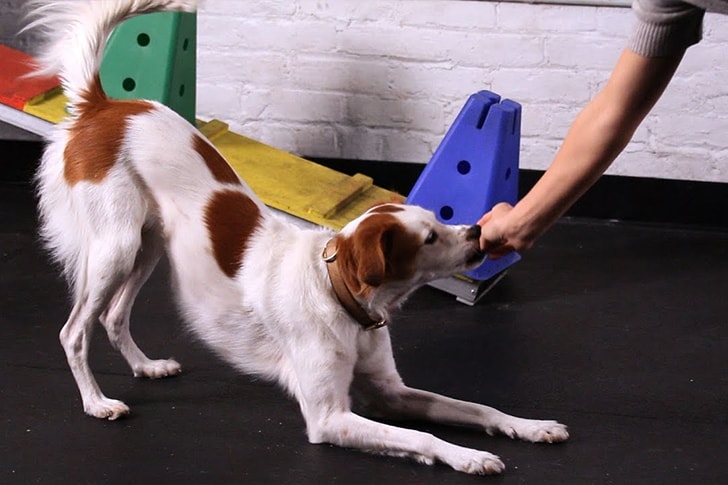
Dogs frequently adopt a particular stance referred to as the play bow. It can be instantly recognized from a mile away, and a person doesn’t have to own a dog or be an expert to understand that this posture means the dog wants to play.
The position is characterized by holding up and often wagging the tail while lowering the upper body, sometimes paired with an open mouth. Another easy way to identify it is to see whether our fur babies’ pupils are dilated, which is a sign of excitement.
Why Pets Stretch
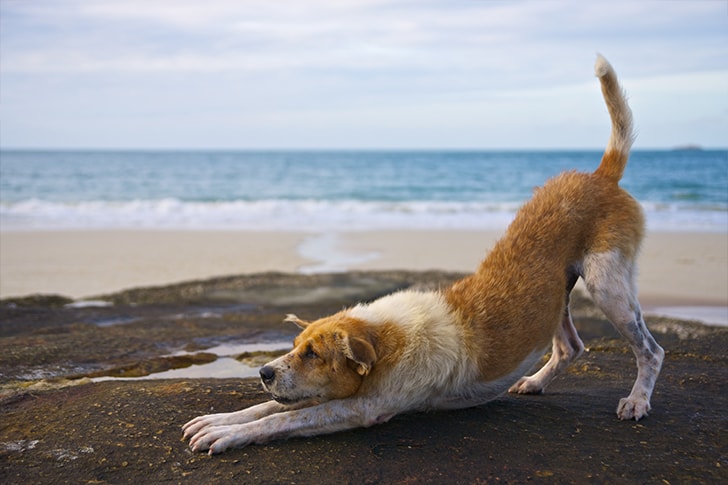
Our pets’ stretches may look like a very familiar yoga position, but they’re not practicing asanas when assuming this posture. However, they are doing the same thing yogis would do to loosen up their bodies after waking up a little bit stiff in the morning.
This behavior also originates from our pets’ past, when their ancestors would wake up and stretch to get ready for action. In this way, they would prepare themselves for any exercise necessary to either chase a very elusive prey or defend their territory from other predators.
Why Cats Are Crazy About Catnip
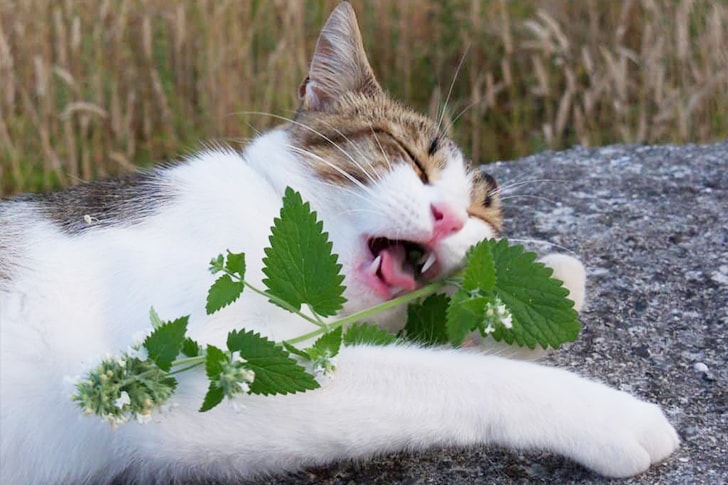
The reason why our cats are so attracted to catnip is actually related to their biochemistry. The catnip plant contains a substance called nepetalactone, which is extremely similar to pheromones, the chemical signals cats and other mammals use to communicate and draw each other’s attention.
When cats smell this herb, they react as if there were another cat in heat nearby, so that they adopt behaviors such as licking, rolling around, salivating, vocalizing, and even hyperactivity. The degree of cats’ susceptibility to the effects of catnip depends on their DNA.
Meeting Face To Face
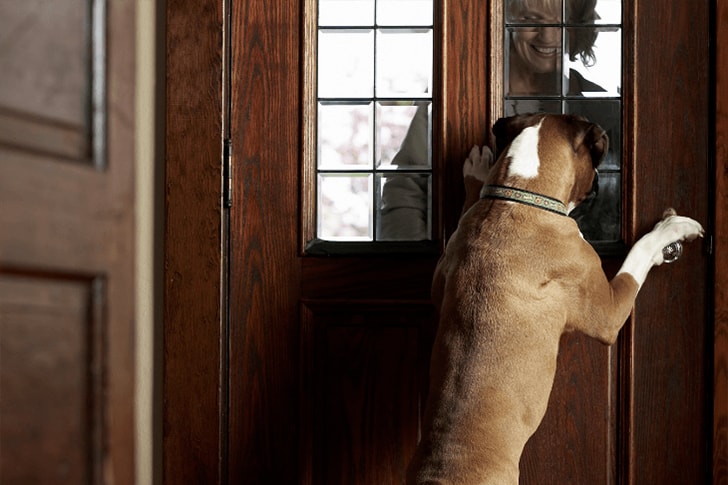
Young dogs of bigger breeds commonly get so excited to see their humans have arrived home that they jump on them. This behavior stems from the fact that dogs greet each other face to face, and they treat us the same way they would any other pack member.
But if the dog is very big and heavy, it can not only be annoying but also cause falls or other unintentional injuries to the owner, especially for any babies or small children around the house. Therefore, we should definitely seek to discourage this behavior.
Dogs Can Mimic Human Facial Expressions
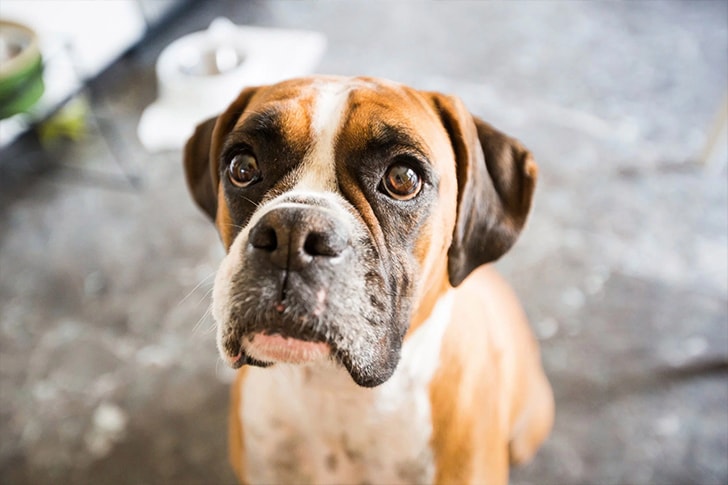
Interestingly enough, the findings of recent studies conducted by experts in dog behavior indicate that as dogs evolved over thousands of years, certain muscles around their eyes began to develop. Using these muscles, dogs can make infant-like facial expressions to induce a nurturing response in humans.
So when we feel like our dogs are manipulating us to get some more dog food, we’re probably right. If they’re not really hungry, they’re most likely experimenting to figure out how to make the facial expressions we find to be the most irresistibly appealing.
Our Dogs Really Do Lean On Us
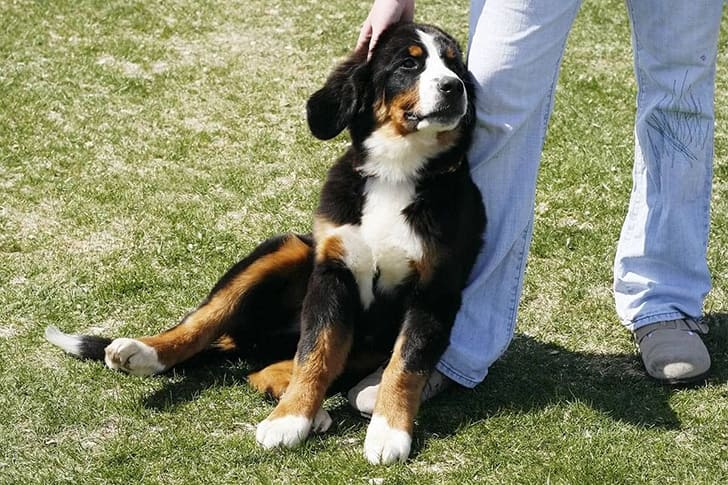
When our dogs are feeling a bit anxious, they often lean against us to seek comfort and protection. We can absolutely take this gesture as a compliment because it means our dogs love us very much and trust us to ensure their health and happiness.
So the next time we see our puppies doing this, we should try to calm them down and redirect their attention toward something more positive than comfort. With proper care and training, they’ll learn that they don’t have to lean against us to feel safe.
A Very Ancient Call
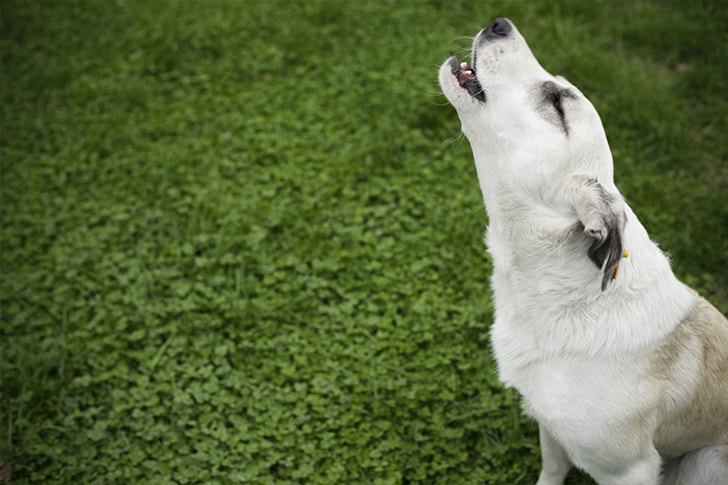
Much like their ancestors the wolves, dogs use howling as a form of communication. But there’s also a number of other reasons they could be resorting to this behavior. They might be expressing a little bit of anxiety, or maybe they are hurt or sick.
Dogs howl to mark their territory as well. Yes, it can be rather annoying if they do it often, especially at night when the whole neighborhood is trying to get some rest. But we should always determine the root cause before we attempt to make it stop.
A Dog’s Tail Can Say A Lot
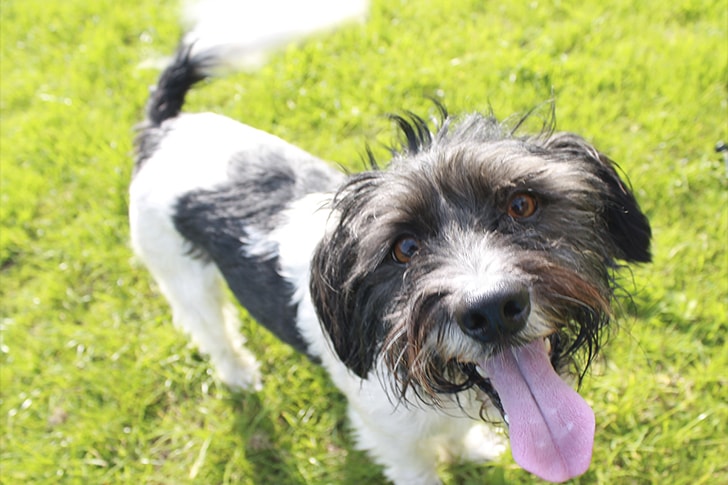
People tend to only pay attention to their dogs’ tails when they’re wagging in their pets’ excitement. But there’s actually so much more of a dog’s body language that can be read by its tail. For example, a dog shows uncertainty by slowing down the wag.
Dogs also use the position of their tails to express feelings such as fright or sadness. Tucking its tail between its legs, for instance, means the dog is fearful of something, while an upright one can indicate that the dog is about to become aggressive.
Why Dogs Raise Their Paws
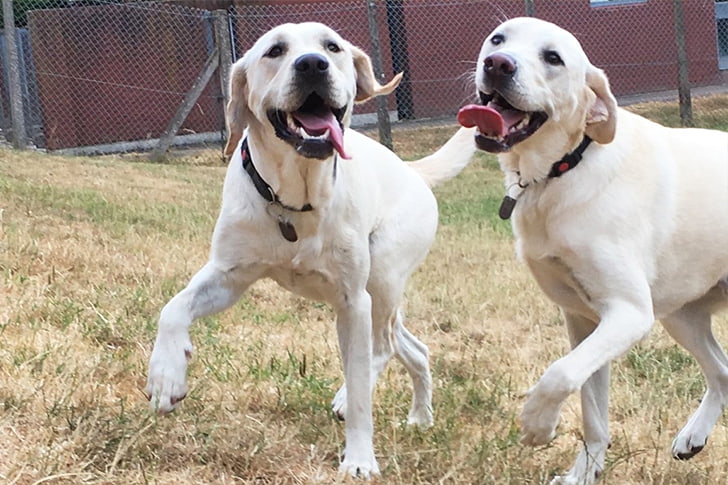
What does it mean when dogs suddenly hold one paw up? Normally, it’s a sign that they’ve detected a certain smell or aroma that has piqued their interest. Maybe the neighbors are cooking dinner, and they’ve caught the scent of something they’d like in their diet.
Alternatively, there can be another animal roaming around their territory. Or perhaps they’re just tracking down something because we’ve asked them to. A harmless behavior that’s merely the result of instinct, paw-raising is most often seen in dog breeds that are classified as hunters.
Why Dogs Like To Sleep In Our Beds
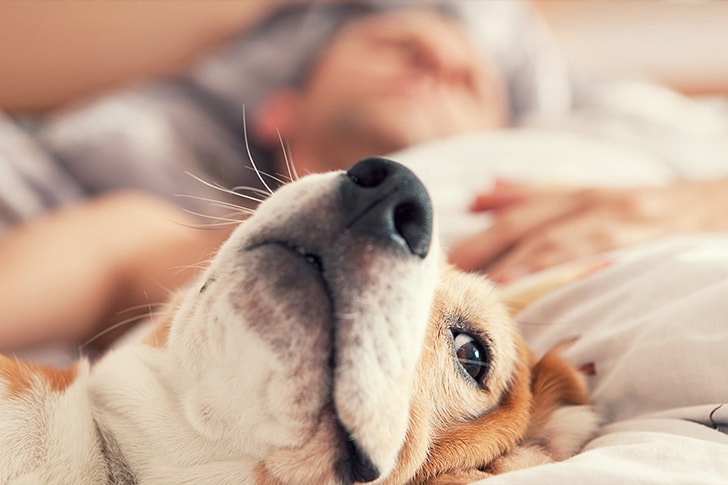
There are two types of dog owners in the world. Some don’t mind sharing all of their living spaces with their fur-babies, including that special spot on the couch or on one side of the bed, whereas others prefer to keep their beds to themselves.
This difference may result from some people having trouble sleeping with (or without) their dogs. Still, it’s hard to refuse our pets a nap with their favorite humans. Dogs love sleeping in our beds because they’re one of the objects that smell most like us.
Cat In The Box
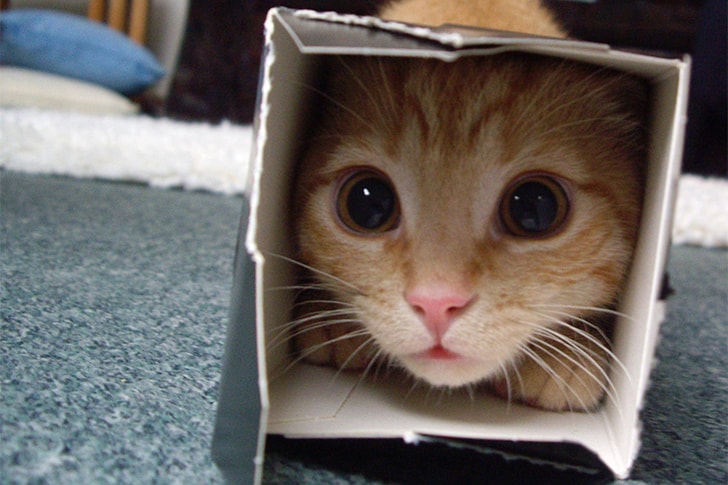
Cat owners often search all over for their pets only to find out they had been hiding in a box in some obscure corner for hours. Cats love to crawl into baskets, shoes, closets, and drawers, as well as under furniture or in any other small space.
Some cats even like to be in their carriers for the same reason. As predators that could also be prey to larger animals, cats instinctively look for small crevices to snuggle into for a nap because they feel extra safe in their little hiding places.
No Belly Rubs Allowed
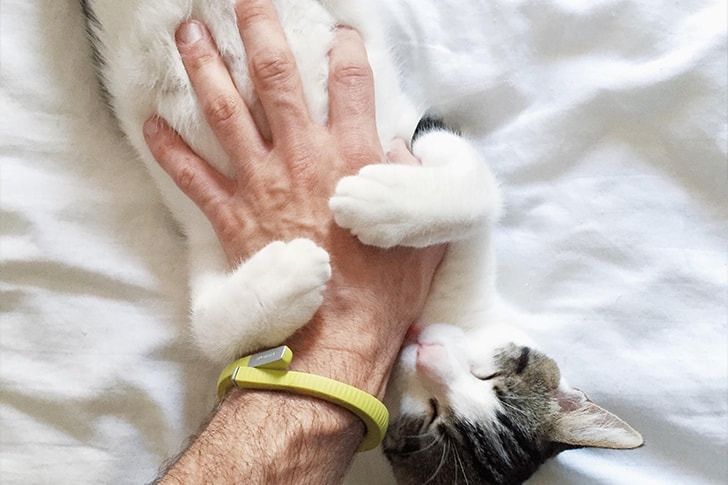
Cats can be confusing creatures to new owners. When cats trust us, they sometimes lay on their backs and expose their bellies. People may think that the cats are inviting them to pet their fluffy tummies, but the exact opposite tends to be the case.
Cats normally hate it when we touch their bellies, which they consider to be the most delicate and vulnerable part of their bodies. So when our cats turn onto their backs for us, we should just rub under their chins or on their heads to avoid any accidents with their sharp claws.
Why Cats Chatter At The Sight Of Prey
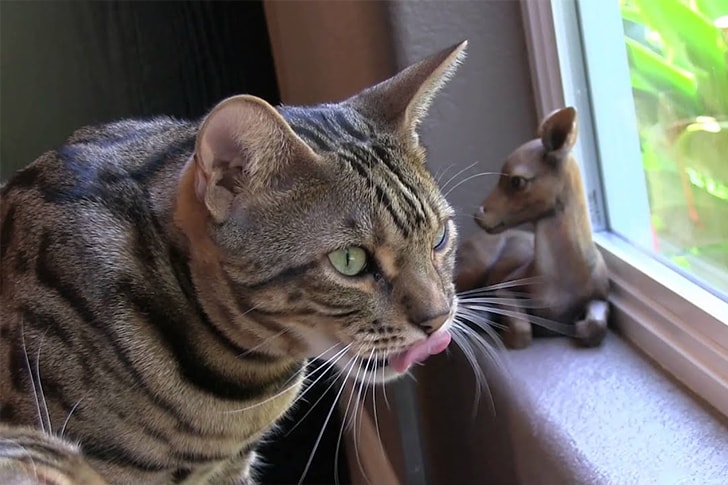
Teeth chattering is a behavior in felines that typically occurs when a cat suddenly becomes fixated on something it sees out the window, such as a bird or a mouse. As the cat becomes filled with anticipation of the hunt, its jaws begin to vibrate.
This behavior is perfectly normal, so there’s no need to be concerned if our cats start making this weird sound. In fact, cats actually have the ability to vocalize in lots of different ways aside from the common meow, producing a wide variety of sounds.
Heartwarming Head Rubs
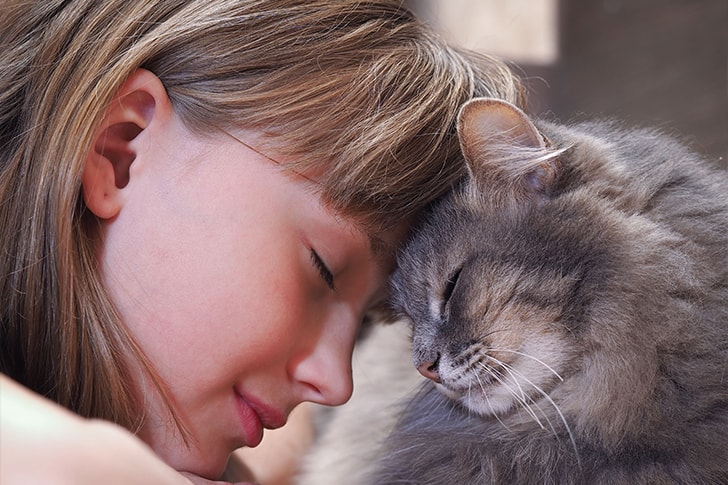
In a behavior called head-butting, cats rub their heads against their owners. It’s one of the most adorable things cats do when they want to show their owners (or rather, their human servants) a great deal of affection. In cat society, this behavior is reserved for social bonding.
Cats sometimes rub their heads against us as they purr, another thing cats commonly do to show that they are content with their surroundings and their company. They can also rub their bodies against us or our clothes to merge their scent with ours, a sign of close friendship to cats.
Why Cats Bring Us Peculiar Gifts
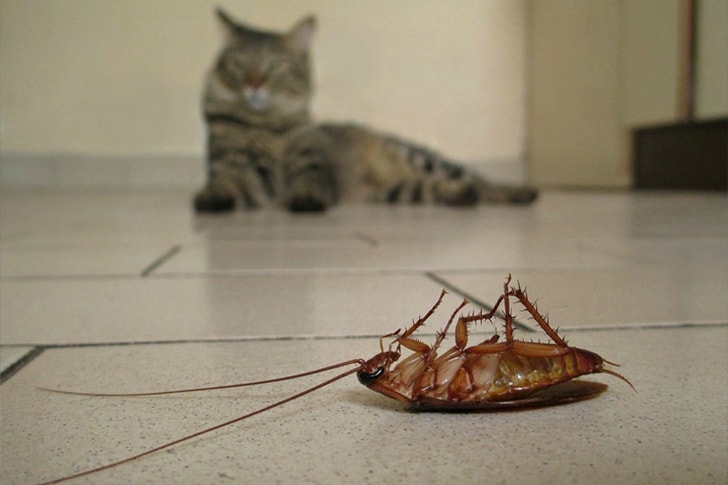
Sometimes our cats leave us rather strange presents: dead animals such as bugs, birds, or mice. Some people may freak out at first, but it’s actually pretty normal behavior. Cat parents often present their kittens with dead or hurt prey to teach them how to hunt.
If our cats suddenly appear with a dead creature for us, we should accept the gift with gratitude. Our pets are trying to teach us survival skills because they care about us. Although the gifts themselves are kind of gross, the intent behind them is rather endearing.
Why Cats Eat Inedible Objects

If our cats start munching on every random thing they find, especially inedible things like plastic, wood, dirt, and litter, that’s not a good sign. It’s probably caused by a deficiency in our pets’ diet, so a visit to the vet may be in order.
It could just be that the felines need a different kind of food, but they could also have a disease preventing them from absorbing the proper amounts of vitamins and minerals. We should definitely be on the lookout for this behavior and address it as soon as it surfaces.
Why Cats Love Kneading
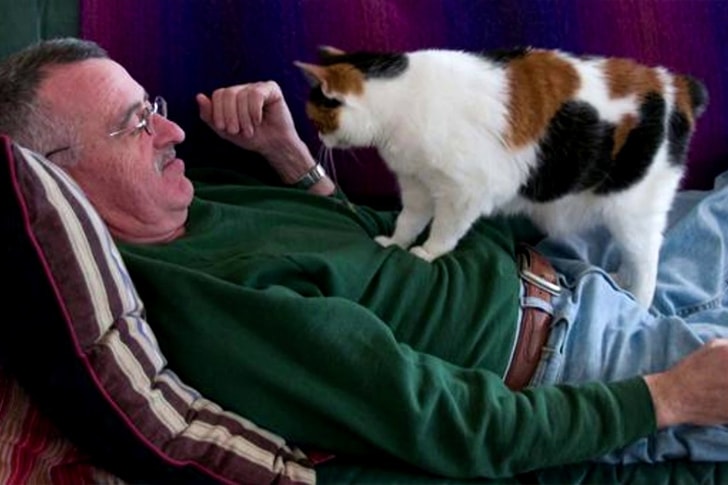
In a behavior known as kneading, cats rhythmically stretch their paws against an object or person. Normally, cats do this when they are most at ease, especially just before they go to sleep. Various theories suggest that it stems from the cats using their paws to stimulate milk secretion as babies.
So when our cats knead against us, it probably means that they feel as secure with us as they felt with their mothers. It’s usually accompanied by purring and feels like a gentle massage if we’re fortunate enough to receive such a display of affection.
Cat Speak To Us With Their Eyes
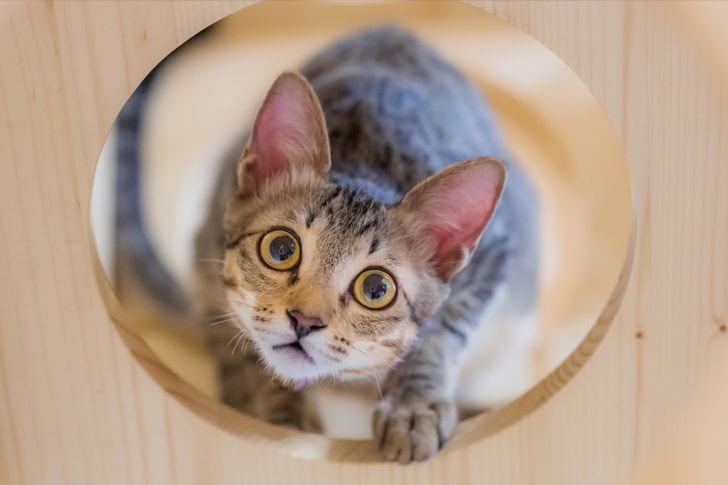
Looking into our cats’ eyes is not only an important part of evaluating their general health but also a way to pick up on nonverbal communication. When cats gaze at us and then blink, this blink is considered to be a friendly greeting that shows the utmost trust.
In cat society, the gesture means they feel so comfortable with us that they aren’t afraid to take their eyes off us. Another cue we can spot quickly is when their pupils seem to swallow up their eyes, which indicates that they’re ready to pounce at any second.
Ear Comes Trouble
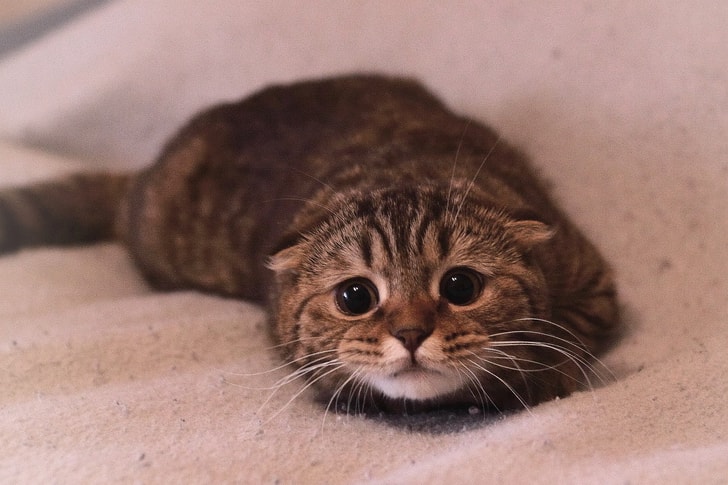
If our cats start twitching their ears back and forth, it may mean that they’re feeling a little bit nervous or unsettled, so we should try to reassure them that everything’s okay. They can also fold their ears forward and to the sides when they’re feeling relaxed.
But a cat laying its ears flat against its head is a clear sign that it’s ready for a fight and about to show aggression. So as we spend time with our fur babies, we should definitely remember to pay attention to the position of their ears.
Why Cats Roll On Their Backs
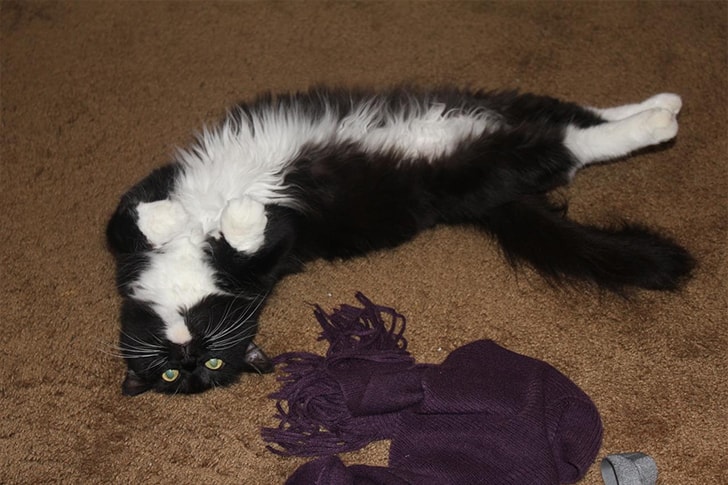
A fur baby rolling around nonstop for a few minutes is no cause for alarm. Cats do this for various reasons: sometimes they simply want to stretch and scratch their backs, while at other times it can be part of mating rituals for unspayed females.
But on other occasions, rolling on their backs is just a sign of submission. Our cats are showing that they love and trust us so much that they feel comfortable being in this vulnerable position around us. However, beware that they will bite or scratch if we try to touch their bellies.
Why Cats Plop Right Onto Our Workspace
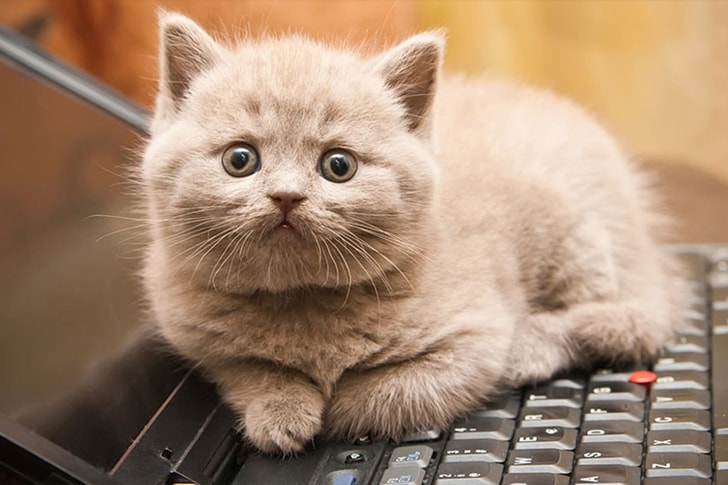
Cats are experts at lying down on top of anything we’re using at the moment, whether computers, books, folders, notebooks, or laundry. Although we both love and hate these kinds of intrusions, our cats are simply looking for attention and enjoy rubbing against things with our scent.
By plopping onto things we use, cats can put their own scent on those things, thus claiming us as theirs. If other cats happen to come around, they’ll know that we’re already spoken for, so they probably won’t compete with our pets for our affections.
Late-Night Shenanigans
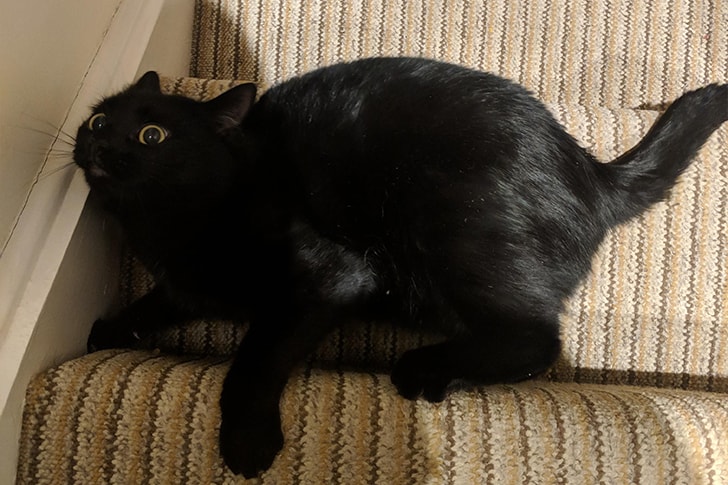
What cat owners haven’t been awoken by the sound of their beloved pets running around and raising their voices at 3 a.m.? Cats have strong predatory and nocturnal instincts, so they can get occasional bursts of energy at the most unexpected hours of the night.
Normally, these late-night romps are just a way cats exercise, unwind, and release some of the stored energy accumulated during long daytime naps. But if they’re causing problems, we can avoid them by increasing playtime with our cats during the day to drain a little more of that energy.