
Sometimes you’ll hear a song and feel like it sounds familiar. Chances are it could be a cover of a once-popular hit you may or may not have heard before. The ‘60s to ‘80s produced a treasure trove of timeless songs which most of us still listen to on some occasions.
Then, there’s a long list of artists who drew inspiration from the same tunes and decided to make a cover out of them. In some instances, those renditions even went on to eclipse the original’s popularity. That is what our list is all about. We present some of the ‘80s hits that you probably didn’t know were covers!
Tainted Love – Gloria Jones (1964); Soft Cell (1981)
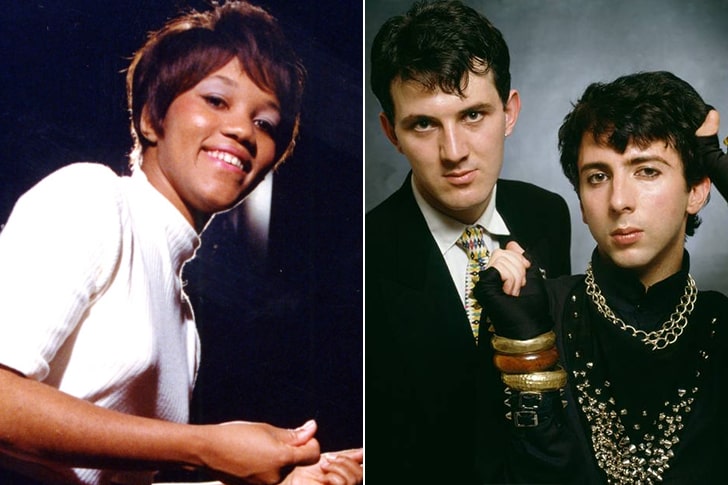
“The Northern Queen of Soul” is the term of endearment Gloria Jones earned when she initially gained fame in the UK. She went on to work with Motown releasing an endless list of songs covering multiple genres. Tainted Love is one of her earlier hits, which she released in 1964.
17 years later, Soft Cell, the English synth-pop act, covered the song and took it all the way to the number one spot in England. In the US, their synthesized version of the song made it to #8 and stayed on the Hot 100 for a record 43 weeks.
The Tide Is High – The Paragons (1967); Blondie (1980)
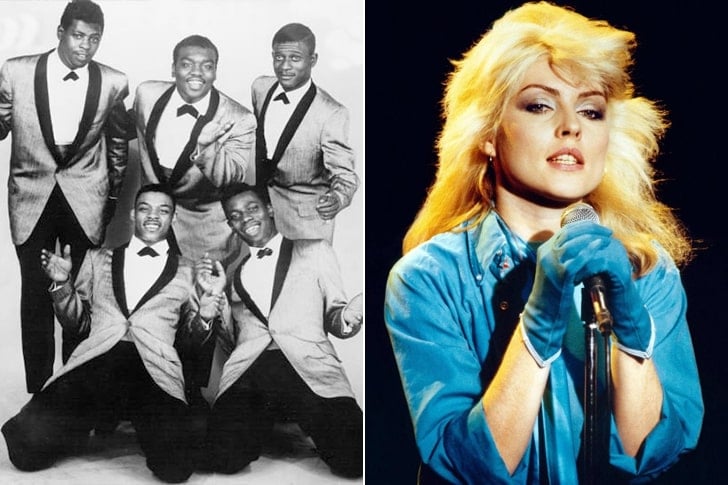
The Paragons achieved their climb to fame in Jamaica back in the ‘60s as a rocksteady and ska group. John Holt, who was the group’s songwriter and singer from 1964, penned down The Tide Is High, which became their most famous single. The group released the song in 1967.
In 1980, it received a new breath of life and meteoric international attention when Blondie covered it. Blondie’s version became a number one hit in both the US and the UK. Atomic Kitten, the British girl group, also released a version of the hit in 2002, which also performed quite decently.
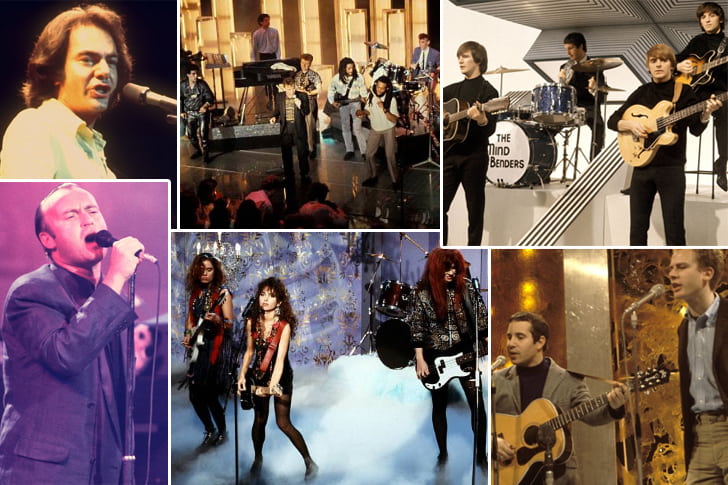
Red Red Wine – Neil Diamond (1968); UB40 (1983)
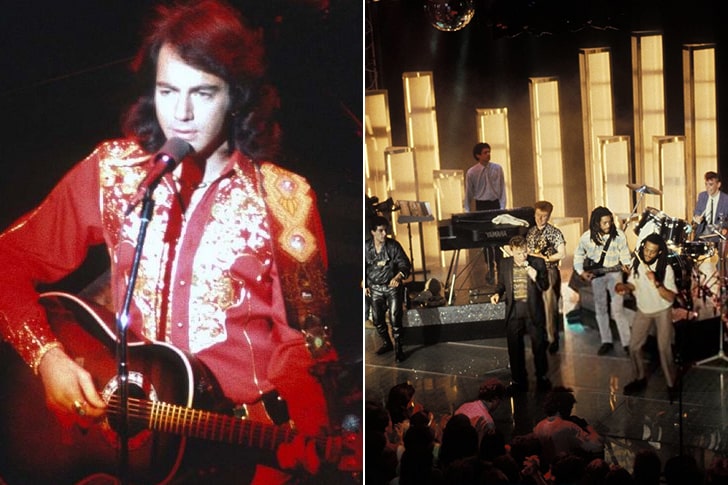
Throughout his career, Neil Diamond has sold upwards of 100 million records, and 36 of his songs charted at the Top 10 spots. That’s why his 1967 single Red Red Wine is almost unmemorable. He wrote and performed the song for his second studio album, Just for You.
Several artists covered the song over the years, but UB40 took it to the top of the Billboard Hot 100. The English reggae/pop band released their version in 1983, and theirs is by far the best-known rendition. Diamond even later staged a version of the song inspired by UB40’s take while on tour.
Always Something There To Remind Me – Lou Johnson (1964); Na*** Eyes (1983)
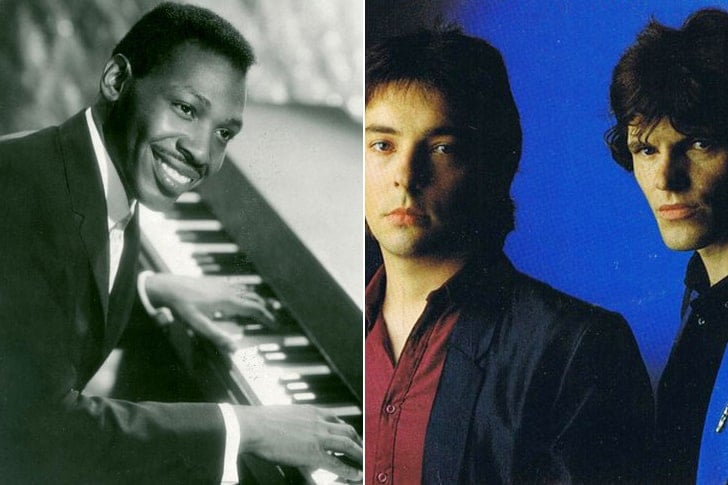
Soul legend and pianist Lou Johnson just recently died in early 2019. He left behind a portfolio of great music that he started recording in the ‘60s. One of his charting singles is his 1964 song Always Something There to Remind Me.
Dionne Warwick, who recorded the demo in 1963, is often credited as the song’s originator. But in essence, it’s Johnson who recorded it first. In 1983, the British synth-pop/new wave band gave the song a spin and managed to get it charting on Billboard Hot 100’s Top 10 spot. Johnson’s version only made it to #49.
Together – The Intruders (1967); Tierra (1980)
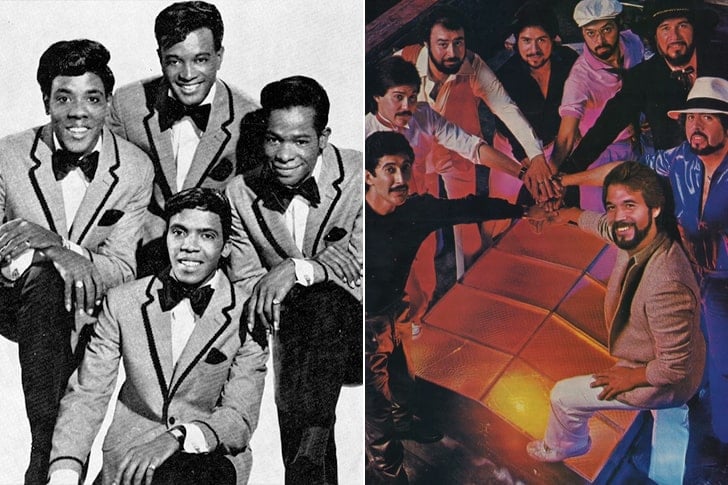
The Intruders were huge back in the ‘60s and ‘70s, and they are often considered to have had a major influence in developing Philly Soul. Their repertoire of music includes their 1967 single Together, which charted at the 48th spot in the US.
Tierra covered the song in 1980, and the magic they put into the song helped it reach #18 in the US charts. The Latin R&B band’s version charted for a total of five months. Interestingly, both versions of the songs made it to the 9th spot on the US charts under the R&B genre.
Mony Mony – Tommy James and The Shondells (1968); Billy Idol (1987)

Tommy James and the Shondells released Mony Mony in 1968, which was four years into their climb to fame. It made it to #3 almost near the success of their 1966 #1 banger Hanky Panky. It soon became a go-to song for numerous films and TV works.
Naturally, it also attracted artists like Billy Idol to give it a different take. He first released his rendition in 1981, but it bubbled at #107 on the pop charts. He didn’t give up on the song, and six years later, he re-recorded and released yet another version that went all the way to the top of the charts.
A Groovy Kind Of Love – The Mindbenders (1965); Phil Collins (1988)
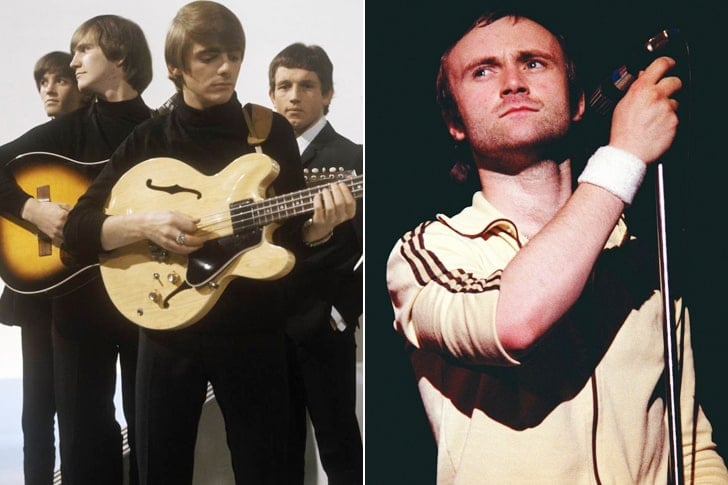
The English beat group The Mindbenders originally served as a backing band for rock/pop singer Wayne Fontana. They blew up in the mid-’60s with chart hits, like Game of Love and their 1966 hit A Groovy Kind of Love. The latter song peaked at #2, both in the UK and US pop charts.
Phil Collins recorded his version of the song as a slow ballad in 1988 for the movie Buster. His version topped the charts in the UK and US, and the British Phonographic Industry certified it silver. Collins even earned a Best Pop Vocal Grammy nomination for the song in 1989.
Girls Just Want To Have Fun – Robert Hazard (1979); Cyndi Lauper (1983)
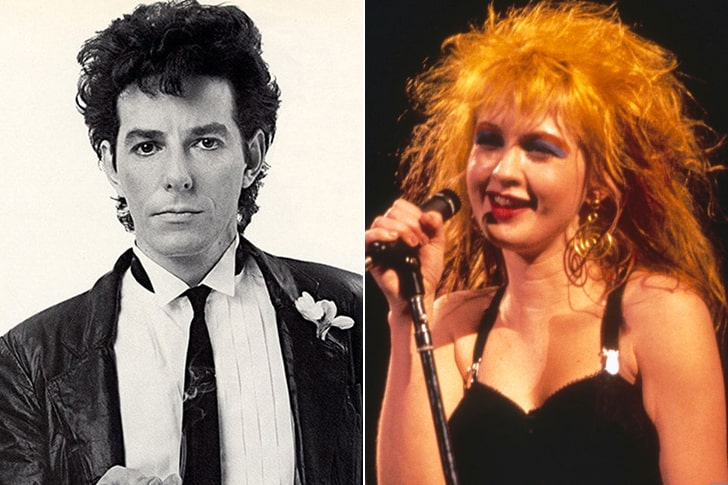
The Late Robert Hazard is best remembered for his ‘80s new wave songs Change Reaction and Escalator of Life. Before that, he composed and recorded Girls Just Want to Have Fun in 1979. In 1983, Cydni Lauper released her version of the song, which is by far the most popular one.
Lauper’s version became a feminist anthem thanks to the Grammy-winning video that accompanied it. The song also put Lauper on the map, making it to the Billboard Hot 100’s 2nd spot. More than 30 artists have gone on to cover the song either through live performances or studio recordings.
Obsession – Holly Knight (1983); Animotion (1984)
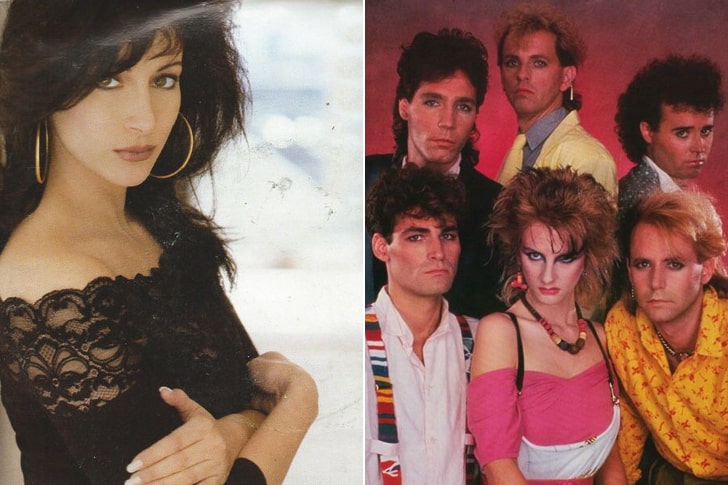
Holly Knight achieved substantial success in writing ‘80s hits like Never, Love Is a Battlefield, and The Warrior. She then collaborated with Michael De Barres, and they released Obsession as a duet in 1983. The song was featured as a soundtrack for the film Night In Heaven, but it didn’t really become a hit.
The next year, Animotion, who were new wavers that were then based in Los Angeles, picked up the song and made it a synth-driven hit. They managed to get it on the 6th position in the US charts and on the list of the Top 10 hits around the world.
Mickey – Racey (1979); Toni Basil (1982)
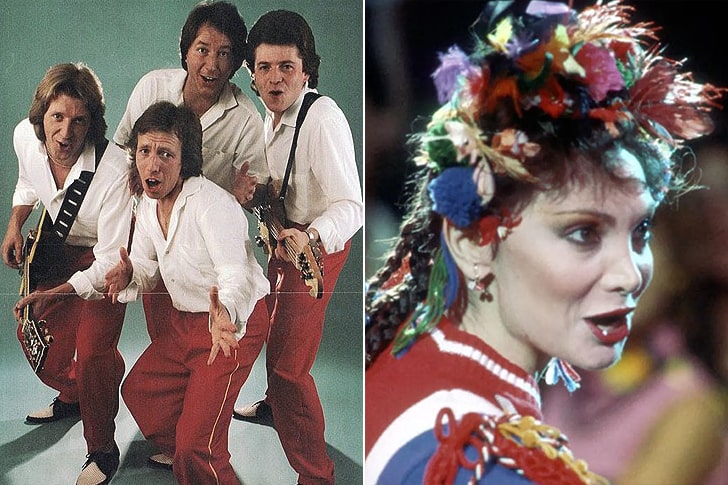
Racey became a band in 1976, and their list of known hits include Some Girls and Lay Your Love on Me. They released Kitty in 1979, and it became an international hit when Toni Basil reworked it as Mickey in 1982.
Basil included the single written by Nicky Chinn and Mike Chapman in Word of Mouth, her debut album. She changed the song title and subject to Mickey so that it would be about a man. The iconic music video had her donning cheerleading clothes, and it received massive airplay on MTV. The hype saw it climb all the way to #1.
Breakaway – Chuck Jackson (1973); Big Pig (1988)
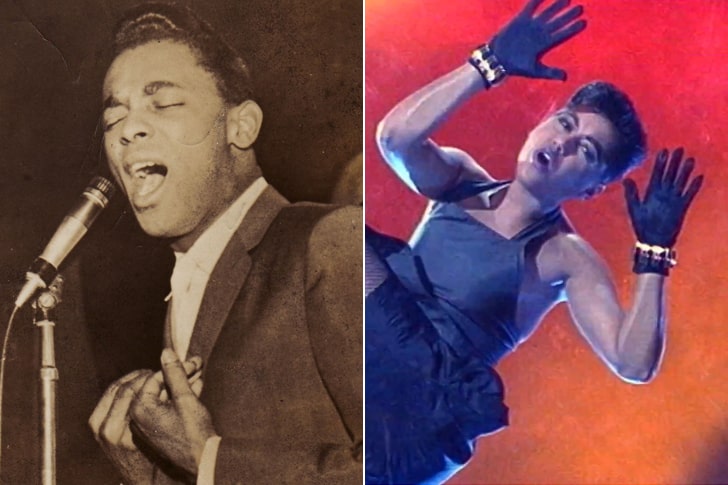
Chuck Jackson soared to fame as an R&B artist in the ‘60s with hits like I Don’t Want to Cry and Any Day Now. He continued churning out music, and in 2015, he finally gained one of the highest levels of recognition by being inducted into the R&B Hall of Fame. In 1973, he released I Can’t Break Away, but it only made it to #24 on the charts.
Big Pig, the Australian band, revived the song 15 years later as Breakaway. They gave it a rhythmic electro-pop boost for their 1988 album, Bonk. Bill and Ted’s Excellent Adventure included the song as one of its soundtracks in 1989, helping it reach massive popularity in the US.
I Want Candy – The Strangeloves (1965); Bow Wow Wow (1982)
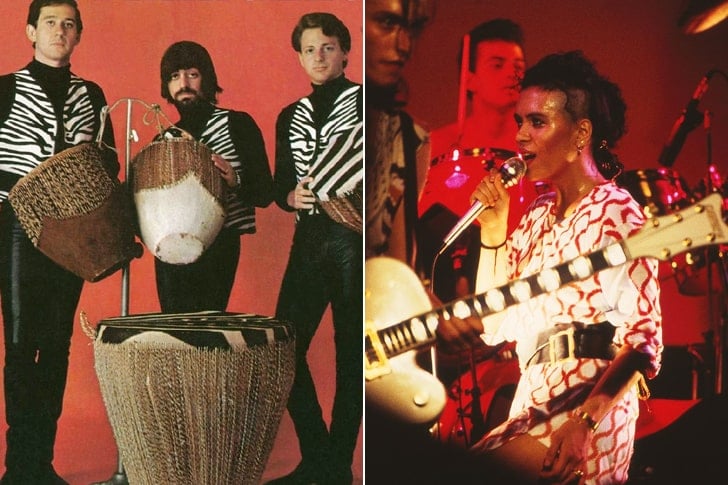
The Strangeloves started chasing after fame while in New York, and they managed to score a major hit in 1965. I Want Candy was the song that got them on the charts at #11, and it made use of the famous Bo Diddley beat. Bow Wow Wow, an English band, resurrected the song in 1982.
The song introduced the young band, and their equally young lead named Annabella Lwin, who was just 15 at the time. The song didn’t do well in America, only reaching #62 on the charts. However, MTV gave the song plenty of airplay and helped the band gain a footing in the new wave scene.
Gloria – Umberto Tozzi (1979); Laura Branigan (1982)
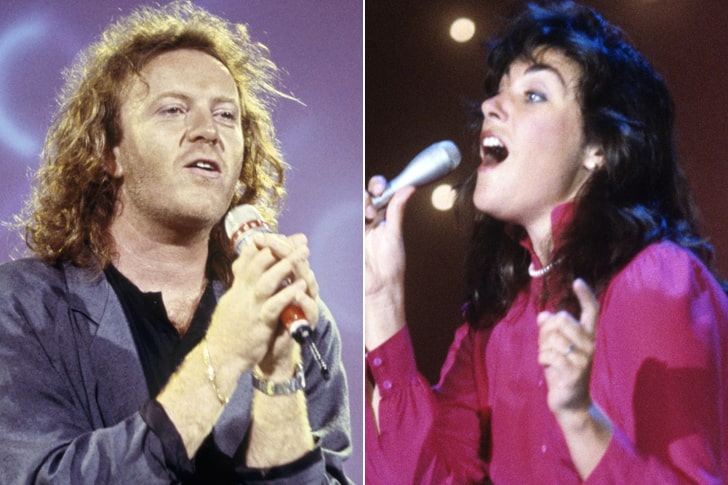
In 1987, Umberto Tozzi originally co-wrote and recorded Gloria in Italian. Tozzi had composed the song in collaboration with Giancarlo Bigazzi, and it later received an English translation. The song received a Gold certification in Spain. Laura Branigan stepped in and covered the song in 1982.
Branigan had charted many songs that were originally recorded in foreign languages by other artists. She achieved success with covers of songs like Solitaire in 1982 and Self Control in 1984. Her cover of Gloria sold more than one million copies in the US alone, and it charted in the US at #2.
Bette Davis Eyes – Jackie DeShannon (1975); Kim Carnes (1981)
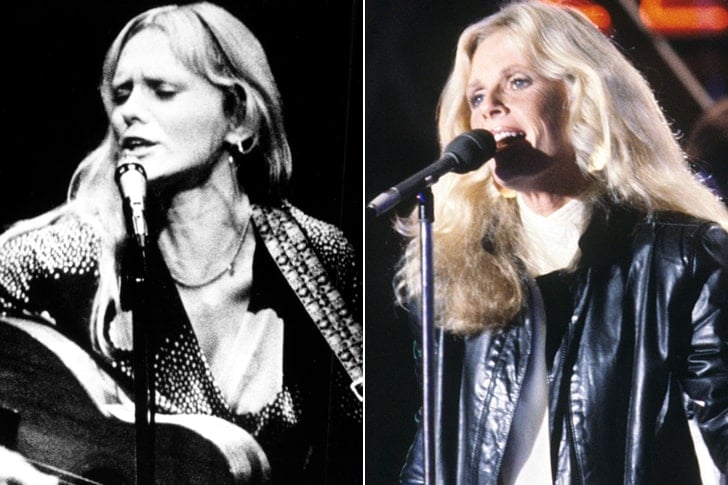
Jackie DeShannon started out in the ‘60s and was then amongst the first female rock n’ roll artists. Some of her best-known hits include Put a Little Love in Your Heart and What the World Needs Now Is Love. In 1974, she released Bette Davis Eyes, which she composed in collaboration with Donna Weiss as part of her album New Arrangement.
Kim Carnes picked up the song in 1981, and her version stayed at the top spot of the charts for 9 non-consecutive weeks. All the artists involved with the song received letters from actress Bette Davis, thanking them for making her part of the modern times.
I Love Rock ‘N’ Roll – Arrows (1975); Joan Jett & The Blackhearts (1982)
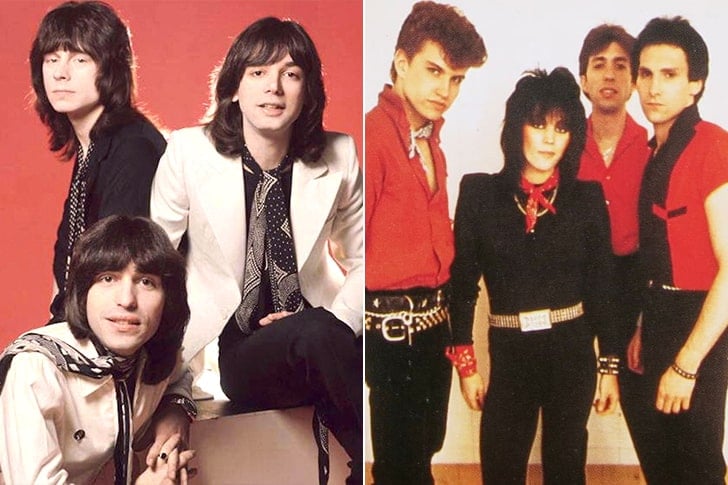
Joan Jett & The Blackhearts managed to propel already popular songs to even greater heights. They covered hits like Everyday people, Crimson and Clover, and Do You Wanna Touch Me. They decided to give I Love Rock n’ Roll their magic touch by covering it in 1982, taking the song to the #1 spot on the charts.
The British glam-rock group Arrows was the one who originally recorded I Love Rock n’ Roll in 1975. The band didn’t get their breakthrough in America, but they managed to get several of their songs on the UK charts. Their 1974 single Tough Too Much made it on the Top 10 charts.
Heart And Soul – Exile (1981); Huey Lewis & The News (1983)
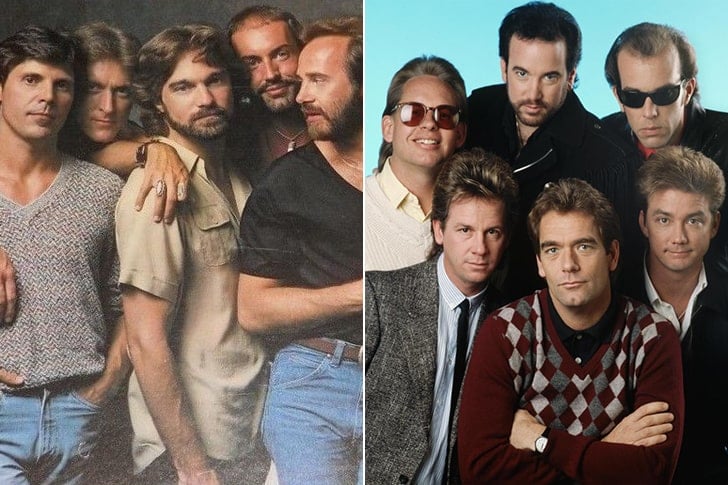
Country rockers Exile released Heart and Soul in 1981 as the first single from their same-titled album. The song didn’t really make it on the Hot 100 and only made it to number 102. Huey Lewis & The News gave it a spin that hit it to #8 on the US charts.
The band received attention after releasing Do You Believe in Love in 1982. That particular single made it to number 7, and their 1983 album Sports also included several other chart-topping hits. Their cover of Heart and Soul was part of the commercially successful album. The BusBoys also covered the song for their 1982 album, American Worker.
Angel Of The Morning – Merrilee Rush (1968); Juice Newton (1981)
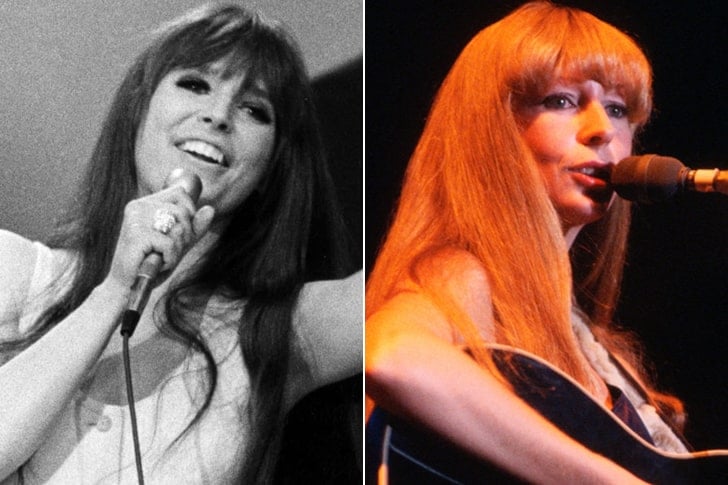
Angel of the Morning is songwriter Chip Taylor’s composition, and he wrote it in the mid-’60s with Connie Francis in mind. However, she declined the song, and in 1967, Danny Michaels and Billie Davis recorded it, but it was done unsuccessfully.
Merrilee Rush was the one who gave it justice the following year, as it reached #7 on the US charts. Juice Newton took the song further on the charts, though. In fact, her 1981 cover made it to #4. She went on to launch a series of other successful hits like the cover to Break It to Me Gently and Queen of Hearts.
Elvira – Dallas Frazier (1966); The Oak Ridge Boys (1981)
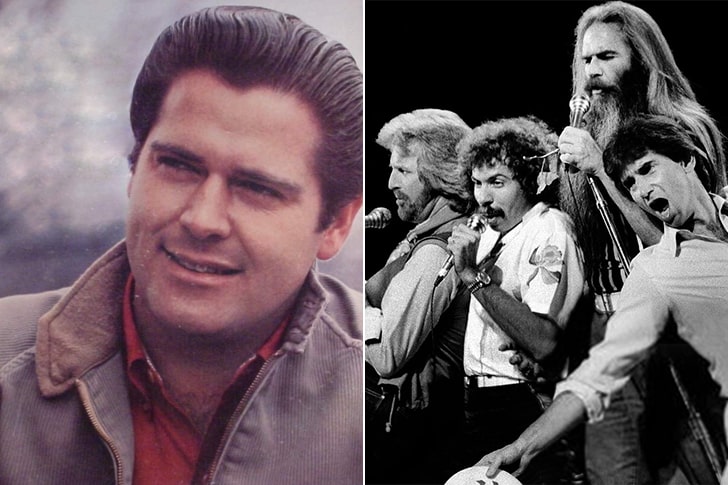
In 1966, Dallas Fraizer wrote and recorded Elvira for his album by the same name. The song was only a minor hit for Fraizer, scraping the #72 spot on the Hot 100. Rodney Crowell and Kenny Rogers recorded versions of the song, which didn’t catch much fire.
The Oak Ridge Boys put a spin on Cromwell’s version in 1981, and they turned the song into a smash. They got it to #5 on the charts, and it was quite an achievement for a country single back in the day. To this day, it’s still considered as one of the quartet’s signature songs!
Money’s Too Tight (To Mention) – The Valentine Brothers (1982); Simply Red (1985)
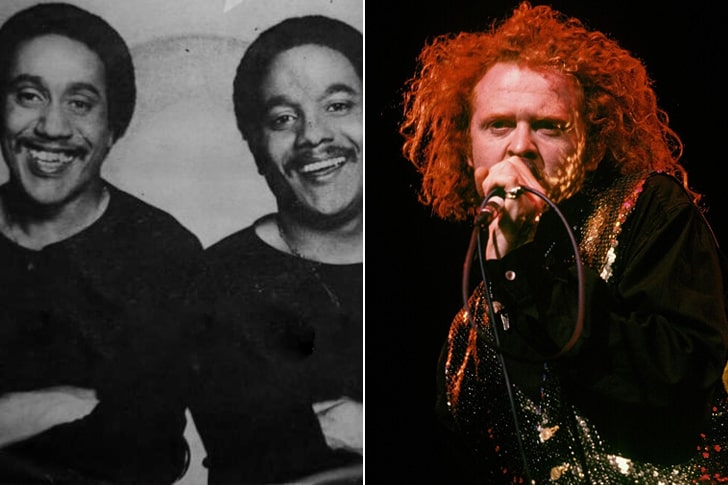
Earlier in Simply Red‘s career, they scored a chart-topping hit with their 1985 rendition of Moneys Too Tight ( To Mention). The single was off of their album Picture Book, and it made it to #13 on the UK charts.
The Valentine Brothers were the original composers of the song in 1982, which was part of their album First Take. The track made it on the charts, but it didn’t break through to the Top 40 mark on the R&B charts in the US. Simply Red’s cover made it to the US Top 30 charts.
Better Be Good To Me – Spider (1981); Tina Turner (1984)
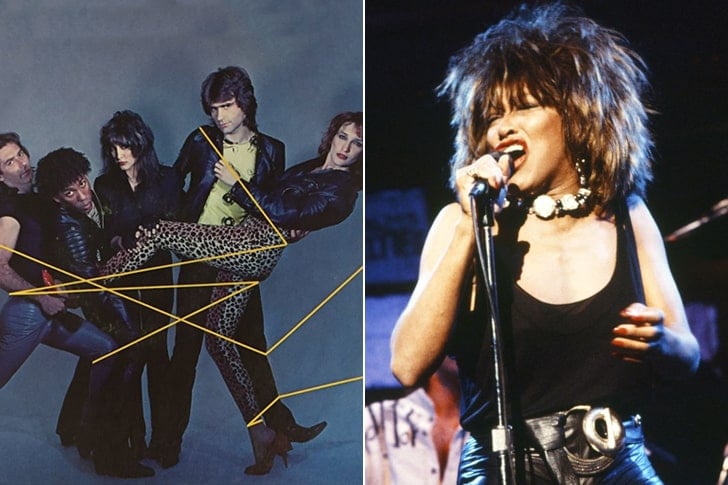
Holly Knight penned a series of smash hits, including Love Is a Battlefield by Pat Benatar, Never by the Hearts, Rag Doll by Aerosmith, and The Best by Tina Turner. In the early ‘80s, Knight was part of a pop/rock band called Spider, and she wrote and recorded Better Be Good To Me with the group.
In 1984, Tina Turner gave the song her fiery passion and included it in her comeback album titled Private Dancer. The cover was also a follow up to Turner’s #1 hit, What’s Love Got To Do With It, and performed impressively reaching #5.
It Must Be Love – Labi Siffre (1971); Madness (1981)
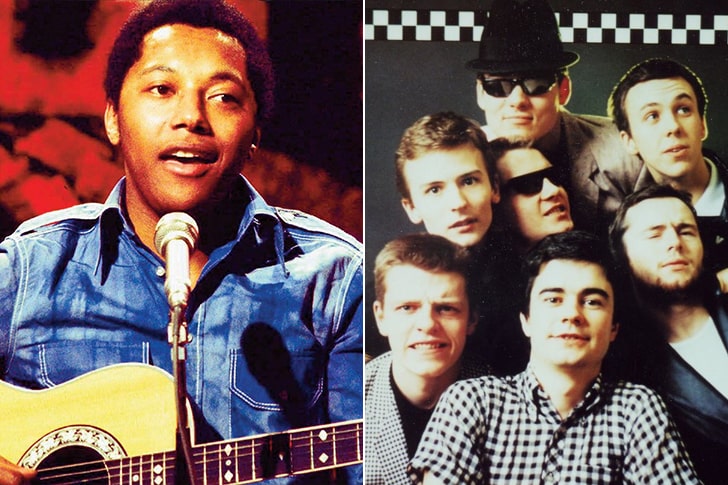
Labi Siffre was a big deal in the ‘70s, and he released a total of six albums in the span of five years, followed by four other albums in the ‘80s. One of his lesser-known tracks It Must Be Love became a smash in the hands of the ska/pop group Madness.
The band recorded their version in 1981 while Siffre had released his ten years prior. Siffre’s rendition made it on the UK Singles Charts climbing to number 14, but the Madness version performed better. It actually reached #4 in the UK and #33 in the US!
Only You – Yazoo (1982); The Flying Pickets (1983)
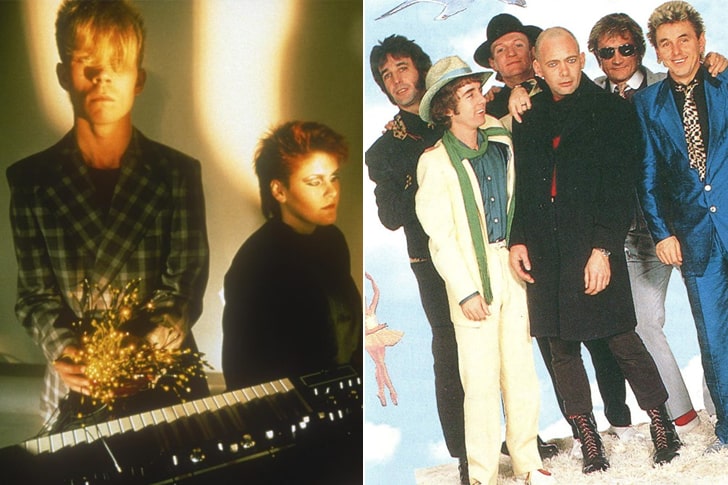
Yazoo became a band in 1981 with Alison Moyet providing her vocals and Vince Clarke on the keyboards. Clarke wrote Only You when he was still a member of the group Depeche Mode, but he eventually recorded it in 1982 after banding together with Moyet. The song became an instant hit in the UK, reaching number 2 on the charts.
In 1983, The Flying Pickets reworked the song as an acapella, and it performed even better, spending five weeks at #1. Their version was also the UK’s first acapella chart-topper. It even became one of Margaret Thatcher’s favorites.
A New England – Billy Bragg (1983); Kirsty MacColl (1984)
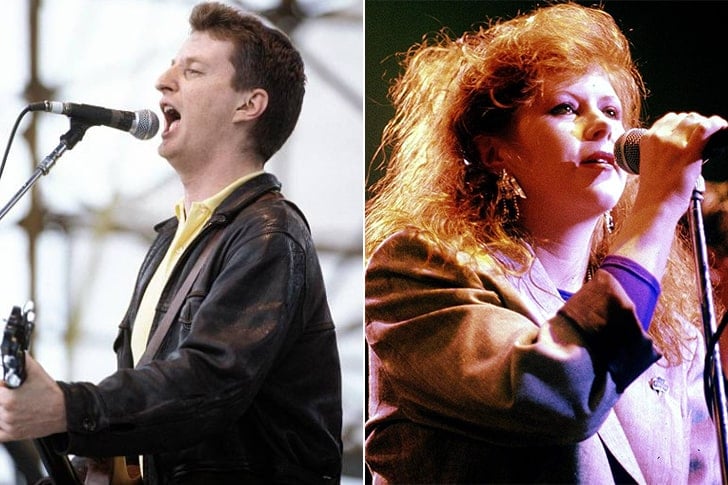
English singer/songwriter Billy Bragg is a left-wing activist, and his music focuses on encouraging the younger generation to get involved in similar causes. His 1983 debut album titled Life’s a Riot with Spy Vs Spy included the song A New England.
Kristy MacColl covered the song in 1984, and it remains the biggest hit in her solo career. The song reached number 7 on the charts in the UK and number 8 on the Irish charts. The original had only two verses, which MacColl felt was too short, so Bragg wrote two additional verses for her cover.
Harlem Shuffle – Bob & Earl (1963); The Rolling Stones (1986)
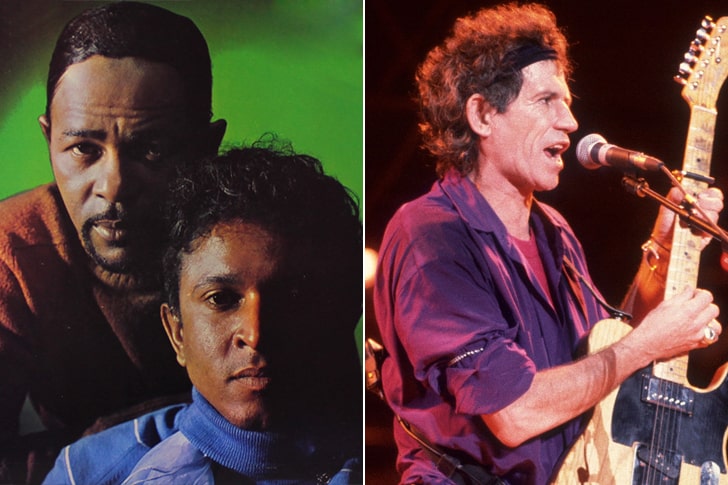
Bob & Earl made up the ‘60s American soul duo and are still best known for the Harlem Shuffle, which they released in 1963. 23 years later, The Rolling Stones covered the song for their 1986 album Dirty Work.
Bob & Earl’s version peaked at the 44th position on the Billboard Hot 100, and the song was essentially a commercial failure upon its release in the UK. A 1969 reissue peaked at #7 while The Rolling Stones’ cover reached number 5 on the American charts. In the UK, The Rolling Stones’ rendition reached number 13 on the charts.
Got My Mind Set On You – James Ray (1962); George Harrison (1987)
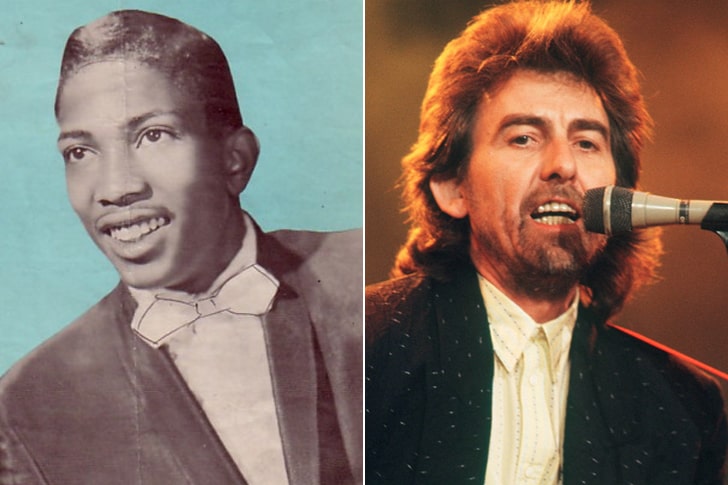
James Ray is best known for his ‘60s hit If You Gotta Make a Fool of Somebody. Sadly a drug overdose claimed his life when he was just in his early 20s, and he never got to release a huge catalog of music. What he left behind was a song that inspired a cover by George Harrison—Got My Mind Set On You.
Harrison included the cover on his ‘87 album Cloud Nine, and it subsequently became his third number one chart-topping hit. If anything, Harrison managed to carry on the legacy of the song, and it’s still a classic you’ll hear now and then on the airwaves.
I Forgot To Be Your Lover – William Bell (1968); Billy Idol (1986)
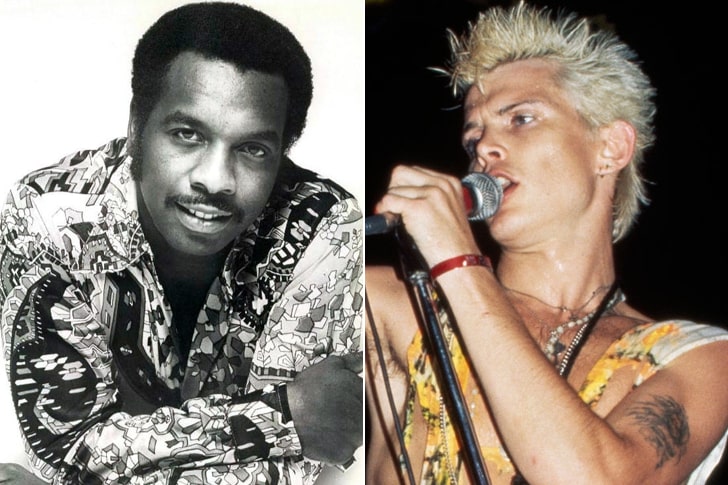
William Bell is a prolific soul singer/songwriter, and he’s best known for his 1968 debut You Don’t Miss Your Water. His only song to ever reach the US Top 40 was Tryin’ to Love Two, which also topped the R&B charts. In 1969, he recorded I Forgot to be Your Lover.
Billy Idol believed that the song deserved a second take, and he retitled it as To Be a Lover. Sure enough, he created a hit out of it. The pulsating beat he set it on as well as his near-screaming, strong vocals gave the song a new character, helping it climb to the 8th spot on the 1986 charts.
Hazy Shade Of Winter – Simon and Garfunkel (1966); The Bangles (1987)
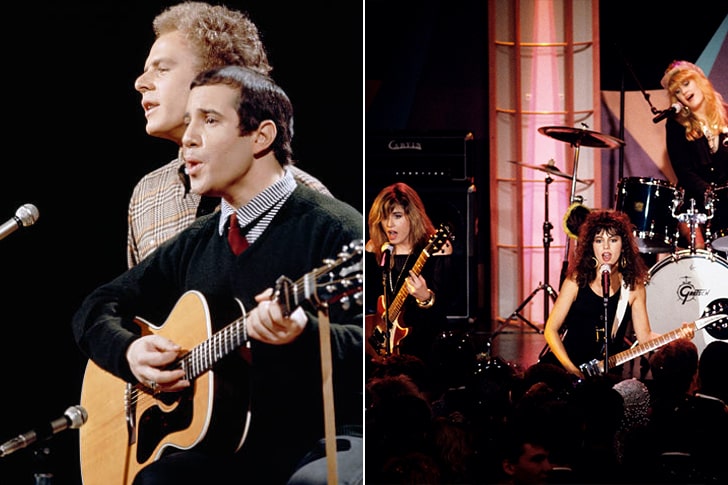
Simon & Garfunkel were amongst the best-selling groups of the ‘60s with big folk hits like The Sound of Silence, Mrs. Robinson, and The Boxer. Their rock inclined single Hazy Shade of Winter performed decently and reached #13 in the 1966 pop charts.
The Bangles figured that the song had a charm to it that could translate well as a film soundtrack. They recorded their version of the song in 1987 for the box office flock Less Than Zero. The band had the song on their setlist since their early days, and it allowed all the band members to share the lead. It paid off, and they got it to the 2nd position on the charts.
I Found Someone – Laura Branigan (1986); Cher (1987)
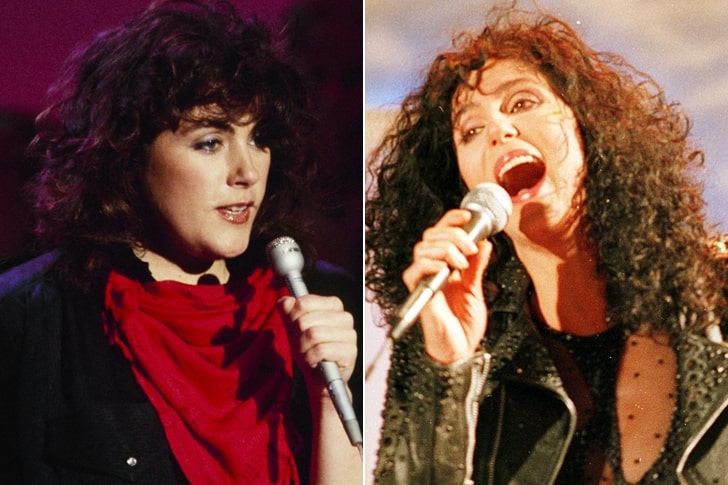
Laura Branigan found success covering songs of the yesteryears. She recorded I Found Someone in 1986, a song composed by Mark Mangold and Michael Bolton. It barely made a blip in the US charts making it to #90. In 1987, Cher reworked the song and made it an even bigger hit.
The song helped Cher make a comeback with her eighteenth self-titled album, and a concert version of the video was also released in VHS. The song finally peaked at number 5 in the UK and stayed on the charts for thirteen weeks. The video also made heavy rotation on MTV, and the song reached #10 on the US charts.
Family Man – Mike Oldfield (1982); Hall & Oates (1983)
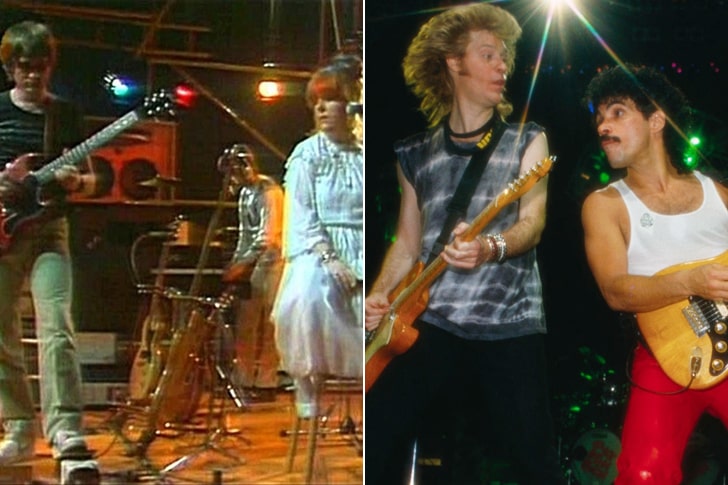
John Oates and Daryl Hall made up the duo Hall & Oates. They were known for mostly releasing their own charting material, but they also covered other songs occasionally. Their 1983 H20 album featured the single Family Man originally by Mike Oldfield as part of his 1982 album Five Miles Out.
Oldfield’s version charted in the UK and made it to #45, but it’s Hall & Oates version truly made the song a smash. Their version got the song to #6 on the US charts, and it ended up being part of the duo’s notable list of 16 Top 10 songs.
Saving All My Love For You – Marilyn McCoo (1978); Whitney Houston (1985)
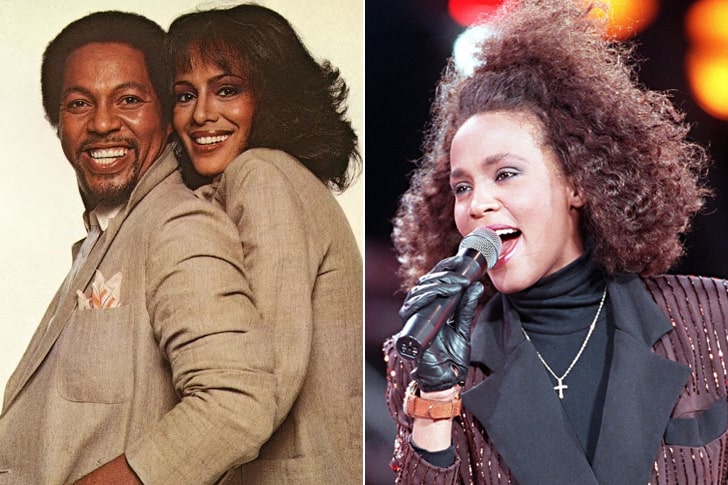
Whitney Houston released her self-titled debut album in 1985, and her cover of Saving All My Love For You topped the Hot 100. Marilynn McCoo originally recorded the song in 1978 for her collaborative album Marilyn & Billy with Billy David Jr.
Their version achieved modest success, but the song truly gained a revival status when Houston reworked it. The same thing happened to The Greatest Love of All, which George Benson originally recorded in 1977. Houston included that particular cover in her debut album, taking it all the way to the top as well.