
Americans love everything big and that couldn’t be truer than when it comes to fast food portions. Those exact words open up the dialogue that a 2004 documentary film sparked about whether the supersized versions of these meals contribute to the increasing obesity problem in America.
On just about every corner you turn you are bound to come across a fast-food establishment. The leading fast-food restaurants have locations in malls, drive-throughs near highways, airports, and most of them have hundreds of franchises across the globe. One of these fast-food chains is McDonald’s which has been in existence for nearly eight decades.
A Journey to Super Size Me
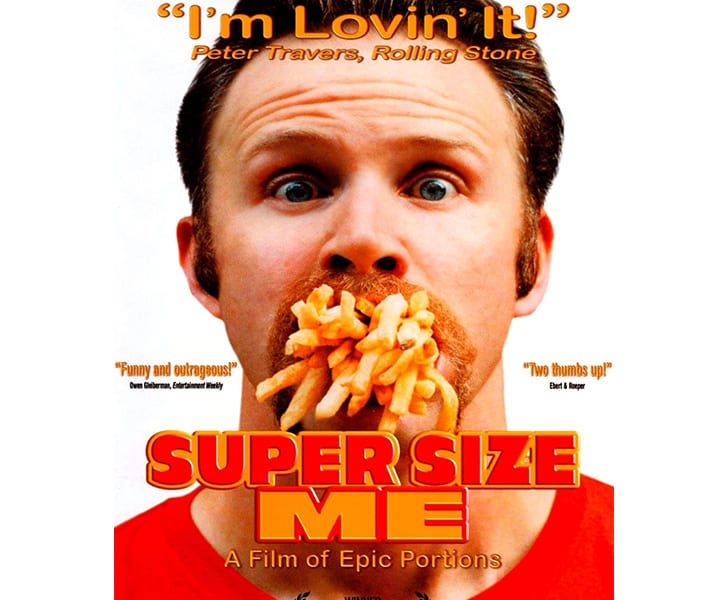
Fast food establishments provide the quick fix we all need to squeeze a meal into our busy lives. However, what used to be an occasional treat has become a regular diet for many American families. Healthy, home-cooked meals have been swapped for fast food and the result is the soaring obesity rates in America and the world at large.
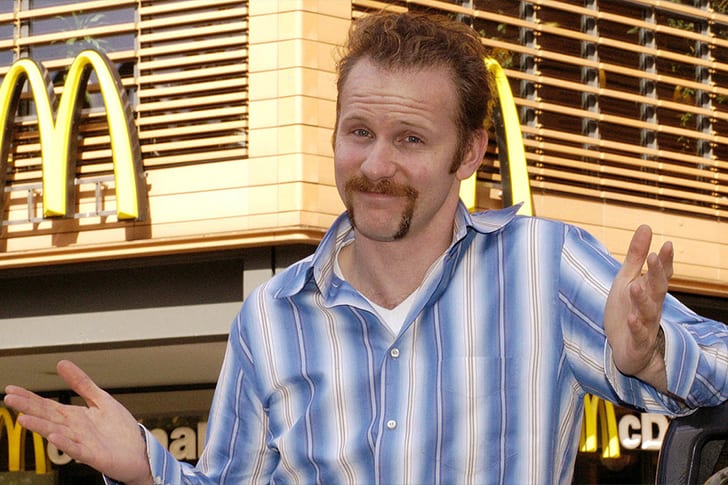
In 2003, Morgan Spurlock decided to subject himself to an experiment by eating only meals from McDonald’s for a month. He filmed the process and the result was the eye-opening 2004 documentary called Super Size Me. You won’t believe what Spurlock found out in his experiment.
Testing the Effects of Fast Food on the Body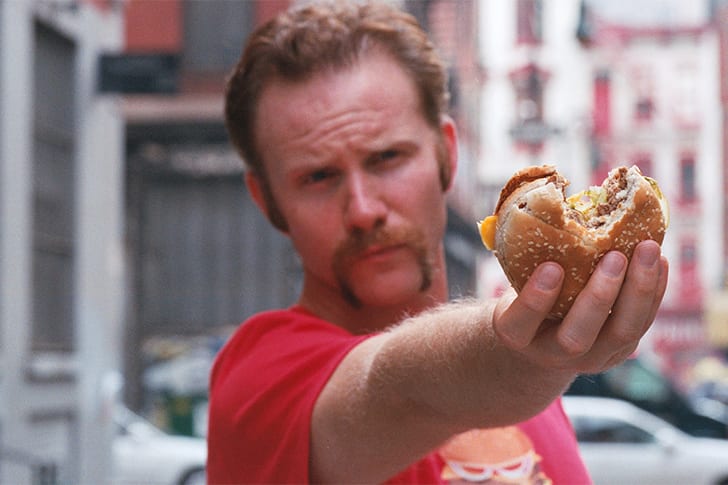
What would happen if you went on a purely fast-food diet plan for just a month? It sounds like a lot of fries, sugar, and getting tired of the delicious treats at some point. That’s precisely the theory that Morgan Spurlock wanted to put to the test to figure out how eating only McDonald’s meals would affect him psychologically and physically.
Morgan, a humorist, and filmmaker started his career as a playwright. He is the brains behind MTV’s I Bet You Will which featured people doing stunts for monetary gain. One episode had people attempting to eat an entire jar of mayonnaise while another had them chowing down on some cold chicken broth.
Obesity is A Soaring Epidemic in America

Obesity is a serious health problem not only in America but globally. In the United States alone an estimated 39% of the adult population is obese. The American Medical Association classifies it as a chronic disease and not only an issue of girth control.
The Surgeon General even declared obesity as an epidemic and the CDC explains that it doesn’t only have an effect on us in a physical way but it also affects us psychologically as well as emotionally. The biggest factors that contribute to obesity are lifestyle choices and food.
Investigating the Widespread Obesity Epidemic in America
Spurlock set out to investigate the widespread obesity epidemic in America. The reason he chose McDonald’s was in response to the famous lawsuit against the establishment. Pelman v, McDonald’s took on the giant food chain alleging that two girls had become obese from eating McDonald’s meals.
The lawsuit against McDonald’s didn’t stand and many states adopted legislatures protecting product producers as well as distributors against liability but Spurlock argued that fast food franchises share the same criticism leveled against tobacco companies. In his opinion, food companies offer products that oppose a healthy lifestyle, being both physically harmful and physiologically addictive.
The Original McDonald’s Mukbang
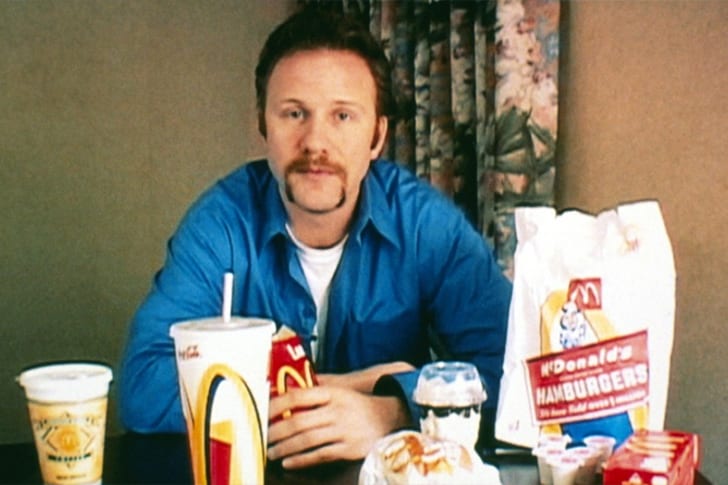
Spurlock came up with a system that would see him go on an exclusively McDonald’s based meal plan over a 30-day period. This was at a time before the countless “Mukbang” videos we see on Youtube these days. These types of entertainment videos involve the host eating ridiculously large amounts of food while having a chit chat session with the audience.
Often, the meals include noodles, pizza, or an entire fast-food establishment’s menu items. The craze started out in South Korea in 2010 and now just about every YouTuber does one of these videos. However, it’s safe to say that Spurlock possibly did it first.
The McDiet Experiment Begins
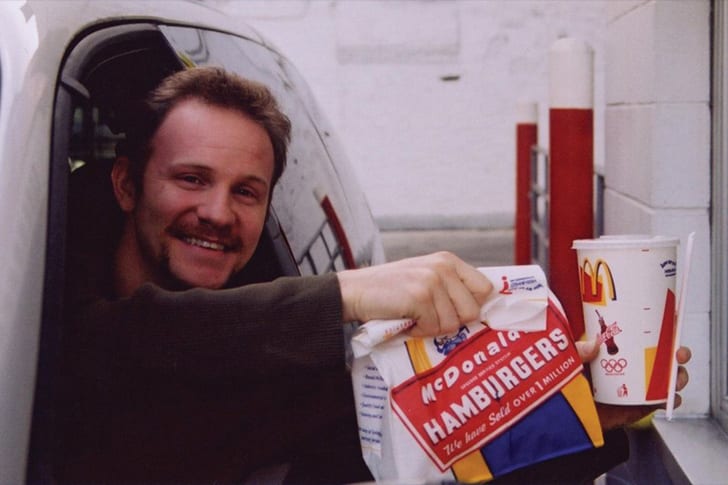
The documentary kicked off with Spurlock paying a visit to physicians and a personal trainer. He saw a cardiologist, general practitioner, gastroenterologist, and a nutritionist explaining that he wanted to go on a “fast-food program.” They all agreed that going on the “McDiet” would have a negative impact on his body.
However, they all also agreed that for the relatively short period the effects of the McDiet wouldn’t be too drastic. One of the professionals explained that the body is highly adaptable to change. Before embarking on the McDonald’s experiment, Spurlock didn’t exactly follow a specific eating plan.
Following Specific Rules
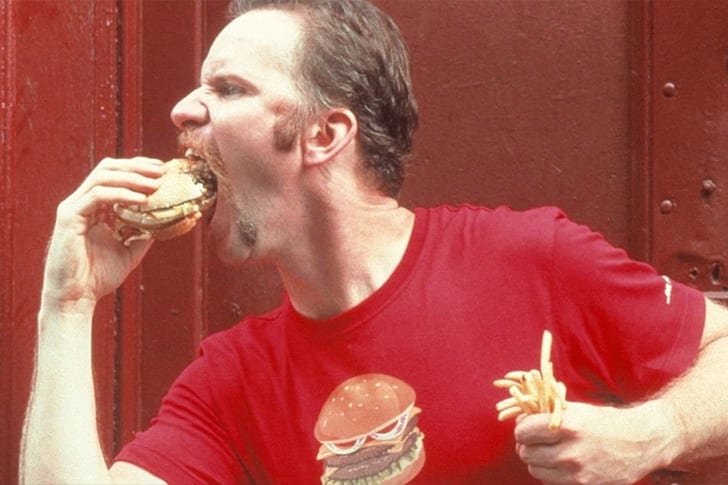
To put a method to the madness, Spurlock had a set of specific rules that he had to follow while on the McDiet. The first rule obviously, was that he could only have McDonald’s food for the entire duration of the experiment.
At that point, Spurlock lived with his girlfriend Alexandra Jamieson who worked as a vegan chef. Therefore, he would regularly have the vegan meals she prepared during the evenings. It would definitely be a drastic change to solely eat fast food meals each day and Spurlock couldn’t be too sure how his body would react to the change in nutrition.
Three Square McDonald’s Meals

The next rule Spurlock had to follow was having three square meals from the McDonald’s menu each day. That meant that he still had to follow a “healthy diet” comprising of breakfast, lunch, and dinner from McDonald’s. McDonald’s has an All Day Menu which they announced in 2018 would be available around the clock in their Australian outlets.
The All-Day menu comprises of items such as McNuggets, the Big Mac, cheeseburgers, a Quarter Pounder, and of course french fries. However, the 24-hour stores offer an overnight menu but switch to their breakfast menu from around 4 a.m.
Eating Every Single McDonald’s Menu Item At Least Once
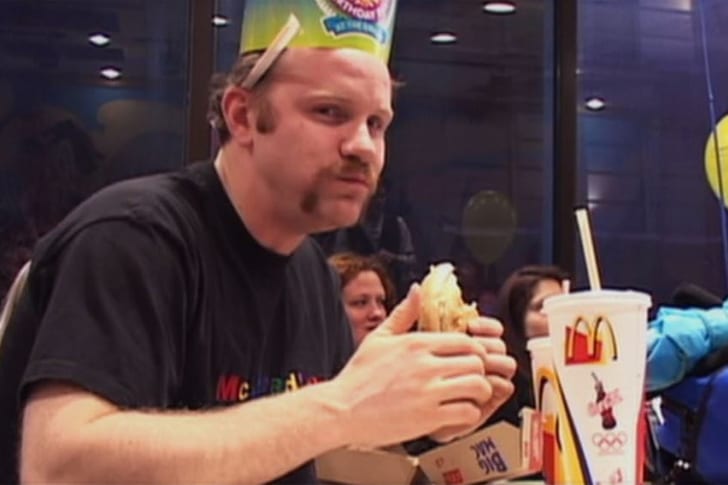
Spurlock also had the challenge of making sure that he ate every single item offered on the McDonald’s menu over the 30 days of the experiment. He managed to eat every single menu item at least once after only nine days into the diet program.
McDonald’s supposedly has almost 200 menu items and according to Business Insider, french fries are their best selling item closely followed by the Big Mac. McDonald’s food prices are also competitively low which has often made them a target of unfounded accusations, such as, that they don’t use real eggs and that their cheese is nearly plastic.
Keeping It Strictly McDonald’s
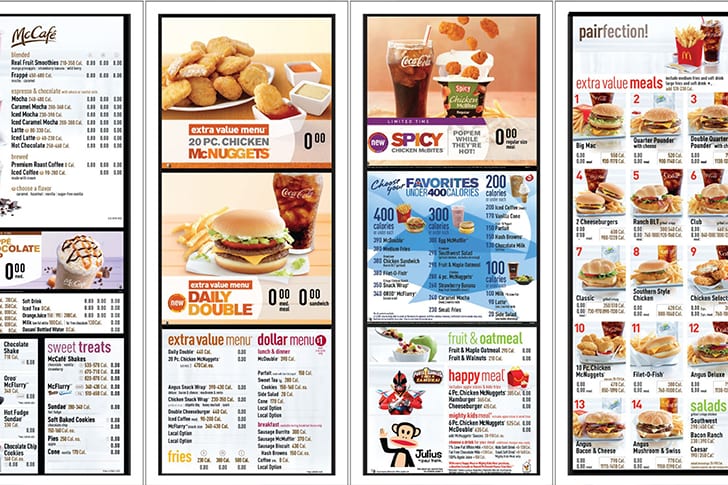
Besides having three square meals from McDonald’s, Spurlock also had to keep it strictly McDonald’s. Even the water he drunk and generally all the calories he consumed each day had to come from the fast-food establishment and he couldn’t have any food from outside McDonald’s, including condiments.
Another long-standing myth is that McDonald’s food doesn’t rot and that’s because it’s loaded with preservatives. McDonald’s explained that their food doesn’t seem to decompose because of the science behind the process. They explain that moisture is specifically a key element that promotes decomposition.
Super Size Meal Options Highly Encouraged
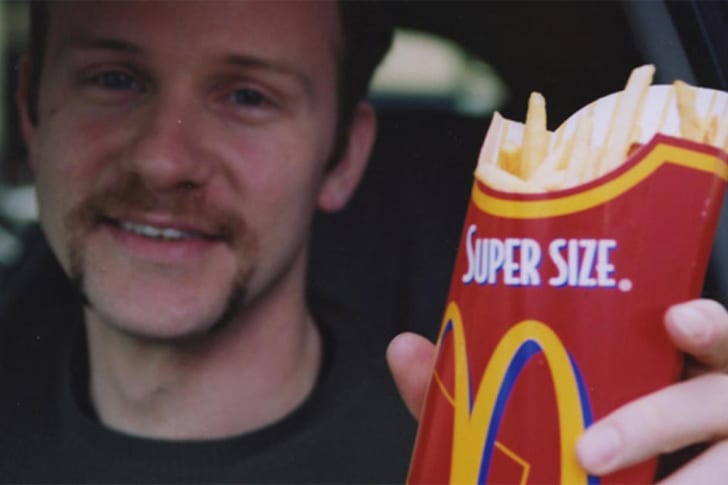
Another requirement Spurlock had to follow was to get Super Size meal options every time the McDonald’s employees offered it to him. He couldn’t outrightly order his meals in a super-sized form and had to strictly wait for the offer to take it up.
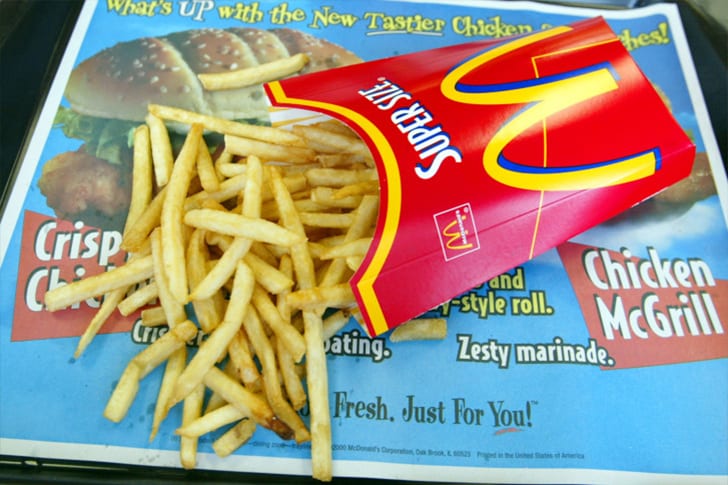
Typically, the Super-Sized meal items on the McDonald’s menu were the drinks and fries. Consumers could have the Super Size options at additional money but it was more attractive as the offer came at just an extra 50¢. Former McDonald’s franchising executive, Richard Adams explained that the establishment’s large fries came in a 6-ounce size while the supersized version came in a 7-ounce carton.
Walk As Much As The Average American Does

While on the McDiet, Spurlock didn’t have to adopt any new workout program. All he had to do was walk as much as the average American does each day. At that time, it equated to 5,000 steps per day translating to an estimated two miles.
However, Spurlock found that he walked more when he was in New York compared to when he was in Houston. Regardless, there’s the resounding statement we’ve all heard that says that you can’t out-exercise terrible food choices. Therefore, as much as Spurlock seemed to exercise during the challenge, it didn’t impact the effects of the food on his body.
Officially Starting the McDiet
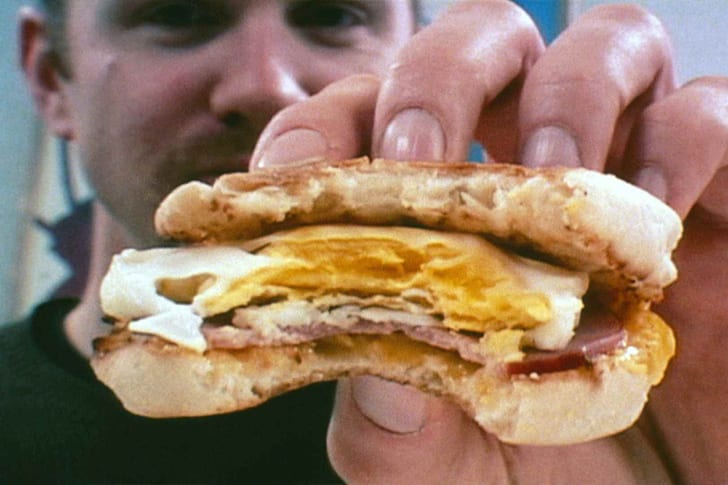
Spurlock kicked off his McDiet on February 1, 2003, by grabbing a McDonald’s breakfast at a store near his Manhattan home. McDonald’s has an estimated 37,855 outlets in more than 100 countries. It’s one of the largest fast-food chains globally and they also lead in earnings in the franchising industry, serving about 69 million customers every day.
McDonald’s predominantly offers variations of hamburgers but they also have chicken-based menu items, sandwiches, soft drinks, and desserts. On the healthier side, they also offer salads and select vegetarian items. In addition, the McRib sandwich features on their menu seasonally.
Soldiering On With A Super Size Meal
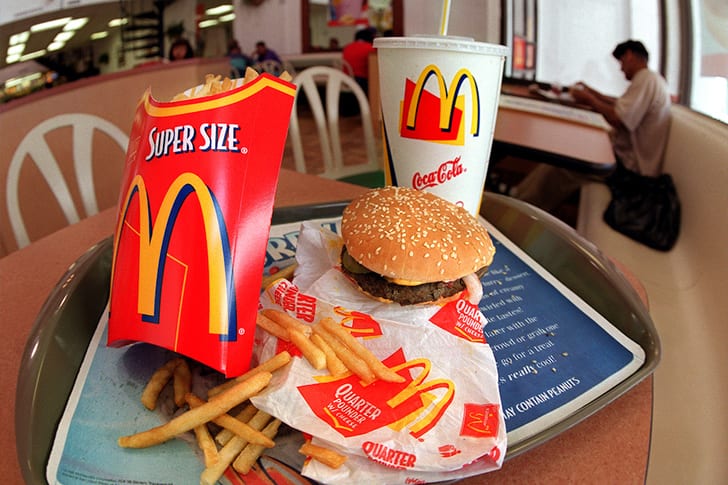
The second day saw Spurlock having his first Super Size meal from McDonald’s. During the entire 30 days, he had a total of nine super-sized meals. He had an order of Super Size french fries, a Double Quarter Pounder burger with cheese, and he topped it off with a 42-ounce Coca Cola.
As he continued with the process he began to suffer from increased stomach discomfort and as he went further along, he even threw up in a McDonald’s parking lot. However, he chose not to throw in the towel and soldiered on with the experiment.
Time to Weigh, On the Fifth Day
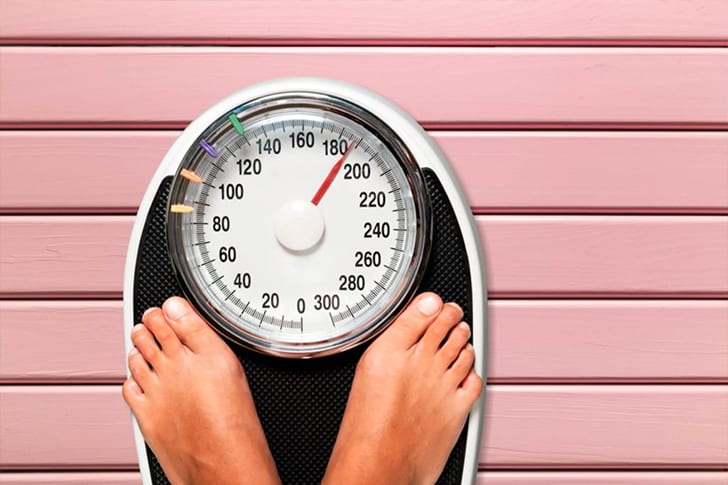
When Spurlock weighed himself before starting the McDiet he tipped the scale at 185.5 pounds. Just five days into eating purely fast food his weight had gone up by 4.5 pounds. The weight increase came with both physical and psychological changes to his body.
He started experiencing bouts of depression, headaches, and lethargy. Spurlock explained that the only way he could relieve those troubling symptoms was by having another McDonald’s meal. He even had a follow-up visit with his general practitioner who described what he was experiencing as an addiction.
A Ridiculously High-Calorie Intake
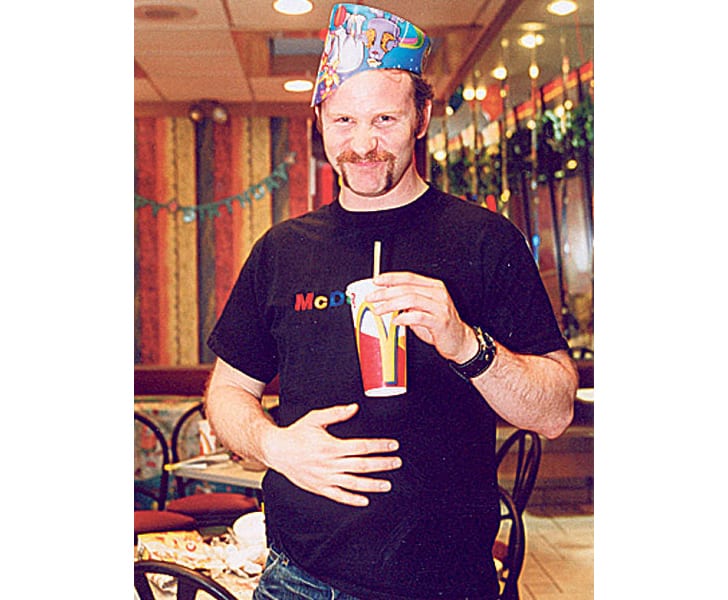
The typical recommended calorie intake for an adult male to maintain their weight is 2,500 kcal. That’s provided that they maintain optimum nutrition. Spurlock was consuming a total of about 5,000 kcal each day which equates to 9.26 Big Macs.
He also started experiencing a hike in his cholesterol which also came with other issues. He suffered from mood swings, had fat accumulation around his liver, and his intimate physical performance also declined. The shocking part is that it all happened within the short time that he had taken up the McDiet.
Weighing, the Second Time
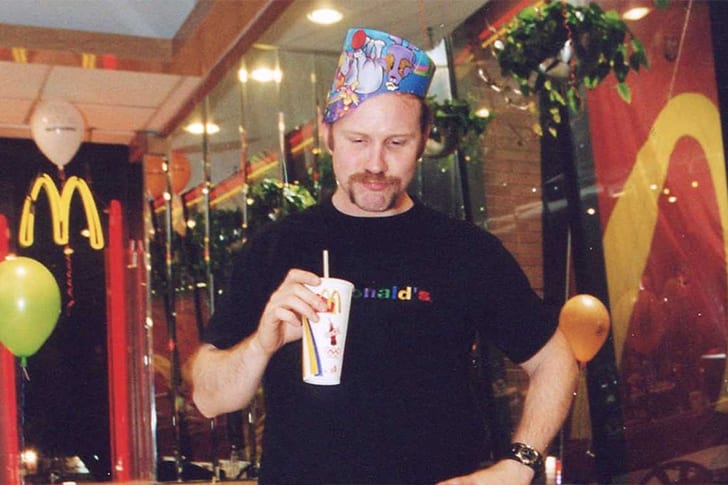
The second time Spurlock stepped on the scale his weight had gone up by eight pounds (3.6 kgs). At that point, he tipped the scale at 203.5 lbs (92.3 kg). During one of the weigh-ins, he lost one pound out of the total weight he had added but his nutritionist explained that it could have been muscle mass.
Spurlock also chose to forego all medication because the challenge required him to exclusively have McDonald’s meals for the whole month. At the next weigh-in, he had added a total of 17 lbs (7.7 kgs) just 12 days into the experiment.
Losing His Physical Energy During the Experiment
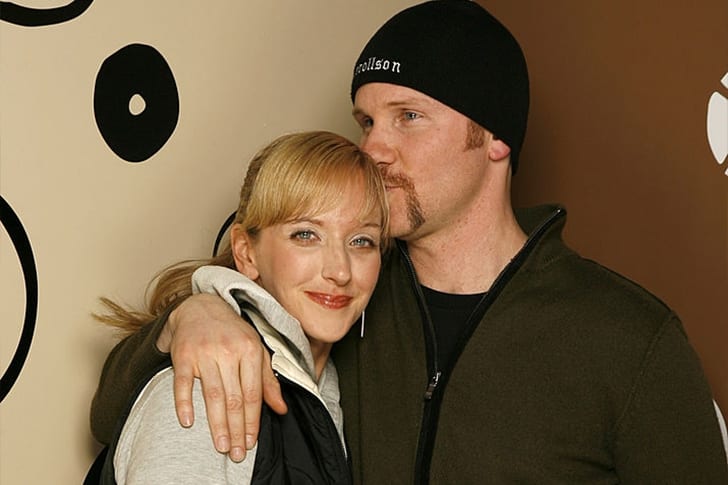
Alexandra, Spurlock’s girlfriend, explained that he suffered an incredible loss of energy during the experiment. It affected their physical intimacy and it wasn’t clear if he could make it through the month. Currently, the high-fat, low-carb way of eating has recently become popular as a way of losing weight relatively quickly.
Known as the ketogenic diet, it shares similarities with Atkins but involves a drastic drop in carbohydrate intake replacing it with fat. It works because it drives the body to rely on its own fat stores for energy, but the high fat and high carb meals that Spurlock was consuming ultimately led to a weight increase.
Sugar-Laden Drinks
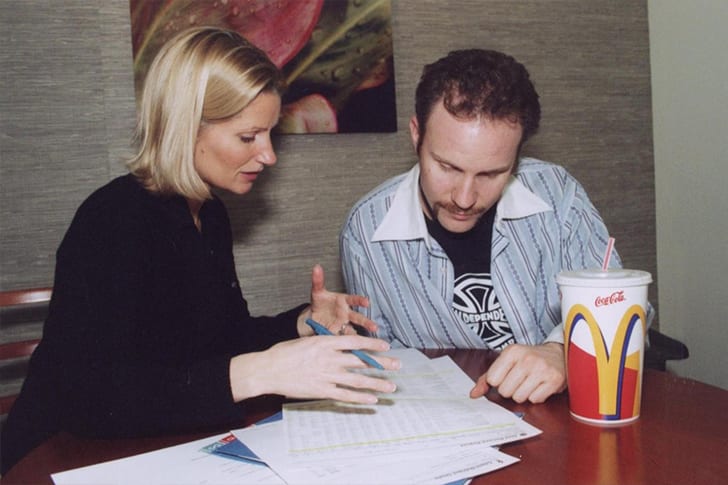
Spurlock worked with Bridget Bennett who offered him valuable nutrition advice during the process. Bennet warned him that the sky-high intake of sugar he was allowing to enter his body from the Coca Cola drinks and milkshakes would have a negative impact.
It wasn’t long before her words rang true because towards the end of the experiment he had consumed more than 30 lbs (14kgs) of sugar. He had also consumed about 12 lbs (5.4kgs) of fat through the McDonald’s meals. In the end, sugar accounted for 36% of his total food consumption.
Suffering from Heart Palpitations

When Spurlock was 9 days shy of finishing the challenge he started having heart problems. He was suffering heart palpitations and Dr. Daryl Isaacs, his internist, advised him to stop the challenge immediately or he risked developing some serious health conditions.
Dr. Isaacs compared Spurlock to the character Nicholas Cage played in Leaving Las Vegas who knowingly drunk himself to his grave in just a few weeks. Spurlock once again chose to ignore the warning and marched on with the experiment. Several YouTubers who embark on week-long or day-long challenges to consume 50,000 to 100,000 calories often report the same problems with most quitting entirely.
Making It to Day 30
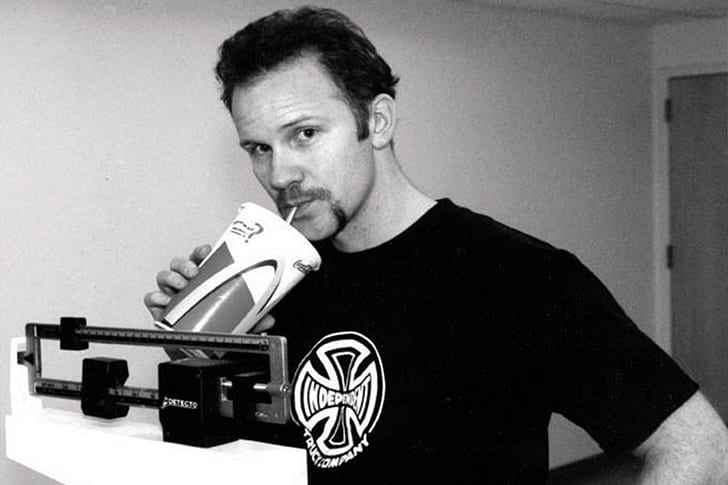
March 2, 2003, marked Spurlock’s 30th day and he managed to complete the challenge. The breakdown of his supersized meals was four when he was in New York and five in Texas. However, there wasn’t any victory in finishing the experiment.
His physicians were all surprised by just how much his body had deteriorated while he was on the McDiet. Spurlock explained that in those 30 days he had eaten what nutritionists say the average person takes 8 years to consume. He had actually consumed a total of 90 McDonald’s meals in that month.
Going On A Detox After the McDiet
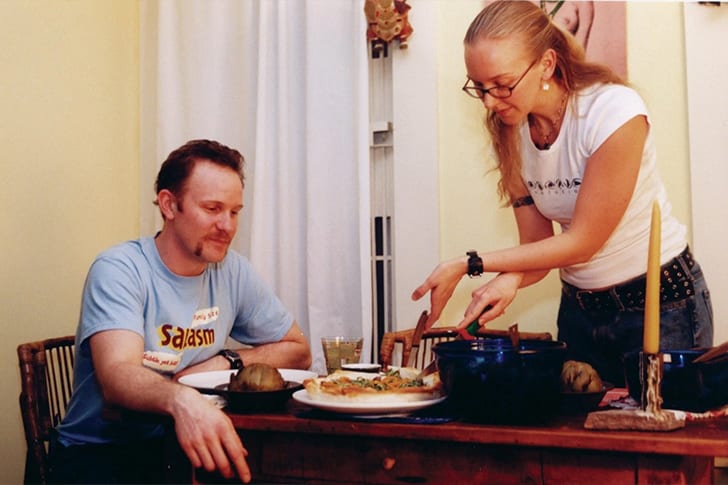
As the documentary ended, text runs on the screen explained that Spurlock went on a detox after the McDiet. It took him five whole months just to drop 20.1 lbs (9.1 kgs) and the last 4.5 lbs (2 kgs) were the hardest to shed, taking another nine months to lose.
Fortunately for him, he had a great resource at home, which was his girlfriend, now ex-wife, who supervised his detox process. She even documented the process on The Great American Detox Diet, a book she wrote about a vegan-based detox.
The Movie Sparks Dialogue
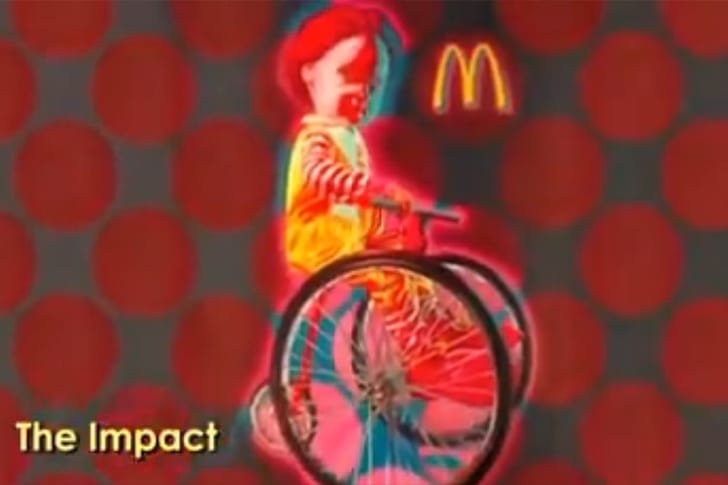
The movie closed asking the rhetorical question about whether we would prefer to see ourselves go first or them (McDonald’s). A cartoon tombstone with the headstone reading ‘Ronald McDonald’ followed, and it’s the same one that appeared in an article The Economist had published.
The article published by The Economist had explored the ethics of brands marketing their products to children. It wouldn’t end there because the movie did spark widespread dialogue concerning the health risks of consuming fast food. Unfortunately for McDonald’s, it put them under the spotlight in a negative way yet again.
Salads Aren’t Exactly Healthy
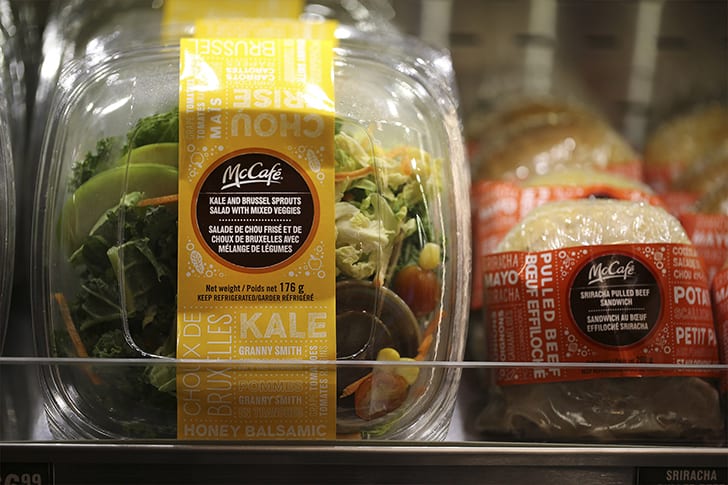
The film finally concluded with an epilogue explaining that even salads aren’t exactly as healthy as we think. Most fast-food establishments have salads on their menu as healthy diet supplements but they may just contain even more calories than the average burger.
McDonald’s dropped its Super Size meal option just six weeks following the movie’s premiere. They also started emphasizing on their Eat Smart, Be Active campaign with salads added to their menu as well as an adult Happy Meal. The company, however, denied that they made the changes because of the film.
Creating A Huge Impact
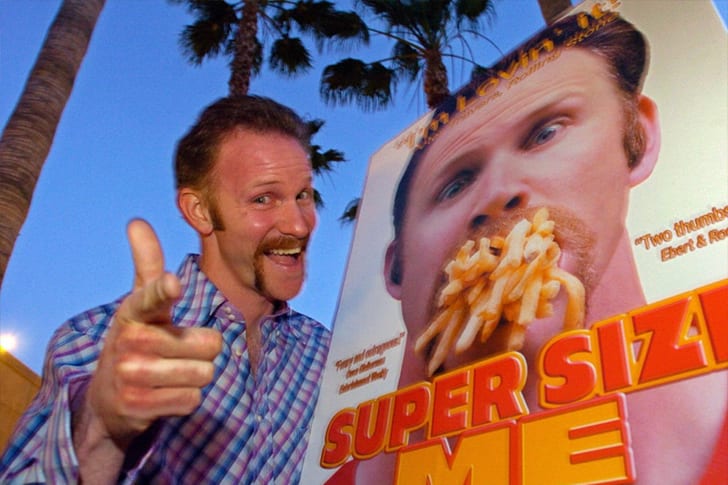
The film ironically ended up creating a huge impact once it premiered at the Sundance Film Festival in 2004. Spurlock won the prestigious Grand Jury Prize in recognition of his role in directing the film. Super Size Me also raked in big bucks at the box office opening on May 7, 2004, in the U.S.
The documentary grossed an estimated $11.5 million which earned it the 22nd spot on the list of the highest-grossing documentaries ever produced. The accolades kept rolling and the film earned an Academy Award nomination and won the Writers Guild of America Best Screenplay award.
Receiving Postive Reception
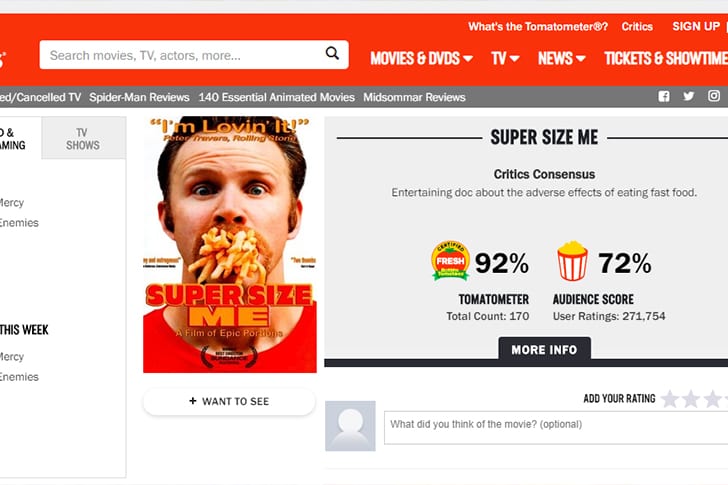
Super Size Me enjoyed positive reviews with both audiences and critics giving it a thumbs up. Rotten Tomatoes, one of the leading film aggregation sites, gave the film a solid 92% rating – Certified Fresh. Also, The New York Times published an article likening the film to Fast Food Nation, a best-selling book by Eric Schlosser.
They explained that both the book and film highlight the issue of corporate power in as much as they focus on healthy eating. The article concluded that we possibly would continue embracing the fast-food world but perhaps much more cautiously.
Proper to An Extent

The film kept on earning accolades and recognitions and it even received the At the Movies two thumbs up hosted by Gene Siskel and Roger Ebert. BBC News shared through Caroline Westbrook that the hype created by the documentary was only proper to an extent. Westbrook explained that the documentary shared a serious message with a high comedic factor as well as over-familiarity.
In her opinion, that rendered the message less powerful compared to other recent documentaries. She concluded that it still provided an enjoyable viewing experience. A reviewer summed it up by saying that Spurlock was telling everyone what we already know which is, fast food isn’t good for our well-being.
Attracting A Fair Share of Criticism
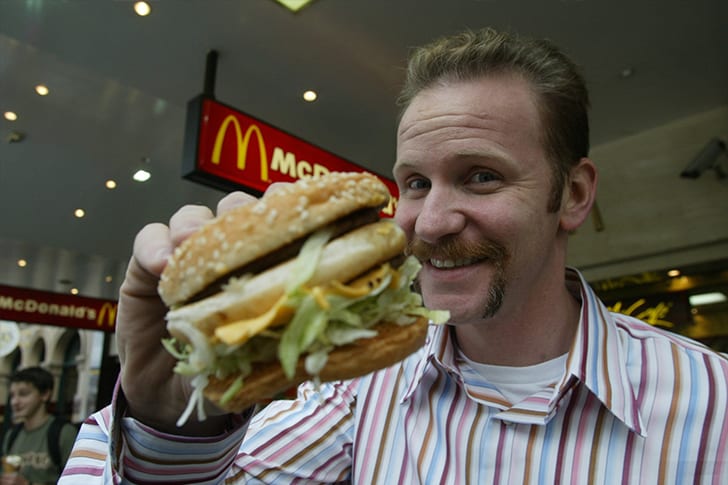
Robert Davis who works with the digital entertainment magazine Paste felt that the movie accomplished a few of its goals. He said that it addressed an important issue but he also felt that it came across as a publicity stunt in part.
David largely criticized the dramatic approach Spurlock chose and he also said that the documentary went from an unscientific perspective. He said that Spurlock ate an unnecessary amount of food from McDonald’s ignoring the advice he received from his doctor. Davis wasn’t the only one to view the film in a different light.
Promoting Healthy Eating
According to Davis, the documentary would have been more compelling if it focused on promoting healthy eating as something that’s possible by eating at McDonald’s. He explained that the company has low-fat menu items but it would still be difficult to consume enough fiber and vegetables from McDonald’s.
David also noted that low-fat meals would perhaps prove to be bland or devoid of flavor requiring condiments like dressings or goopy coatings to make up for it. In Davis’s opinion, Spurlock didn’t go that route because the effects of not consuming adequate fiber and vegetables aren’t as dramatic or immediate compared to high cholesterol and gaining weight.
Response from McDonald’s UK
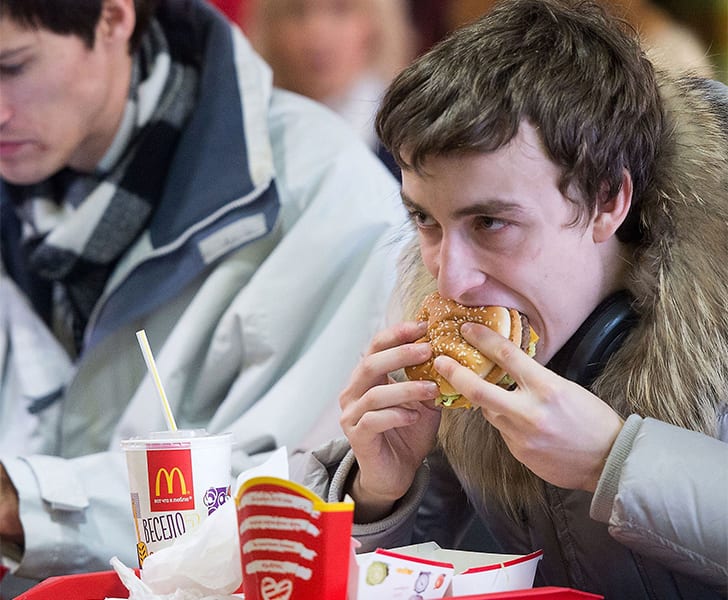
McDonald’s UK responded, calling the documentary a distortion of their variety, choice, and quality. They said that Spurlock irresponsibly consumed 5,000 kcal each day and he didn’t do any workouts, which explained the end result. They finished off by saying that he would have had the same results even if he ate food from elsewhere with the same approach.
The company explained its move to drop the supersizing option because of its plan to simplify its menu. They explained that the Super Size option didn’t prove profitable and it also meant that their staff spent more time on those specific orders.
Questioning Spurlock’s McDonald’s Intake

Tom Naughton who came up with a response to the documentary with his own film, Fat Head, claimed that Spurlock’s fat counts and calorie intake didn’t add up. He also noted that Spurlock wouldn’t share his food log which would have cleared everything up.
Naughton himself runs a website documenting his fast-food month challenge and he openly shared his food log. He went a step further and broke it all down in terms of the nutritional details for each meal. Naughton also argued that one-third of Spurlock’s food intake came from sugar.
McDonald’s Actions After the Documentary
Besides dropping their supersize portions, McDonald’s UK publicized their website because they ran a response to the film. They also placed short ads accompanying the film’s trailers in the UK theaters. The ad urged audiences to visit their website so that they could see what the company disagreed with versus what they agreed with.
In 2003, the company had successfully introduced entree salads as well as more yogurt, fruit, and vegetable options through its Happy Meals. Despite it all, their portions still remain fairly large and even without the Super Size option customers have the option of placing an order for extra fries.
Inspiring Other Shows & Spurlock’s Fate
Super Size Me enjoyed equal success in Australia and McDonald’s Australia also responded with an ad campaign. Theirs included a commercial shown at the movie theaters and two that aired on TV, sharing their response to the documentary. The documentary served as inspiration for BBC’s The Supersizers, where the presenters consumed historical meals.
They would then go for medical tests to establish the impact of the meals on their physical and mental health. As for Spurlock, he founded Warrior Poets in 2004 but stepped down from his position at the company after admitting to having a history of physical misconduct in December 2017.