
The Propeller Is Found
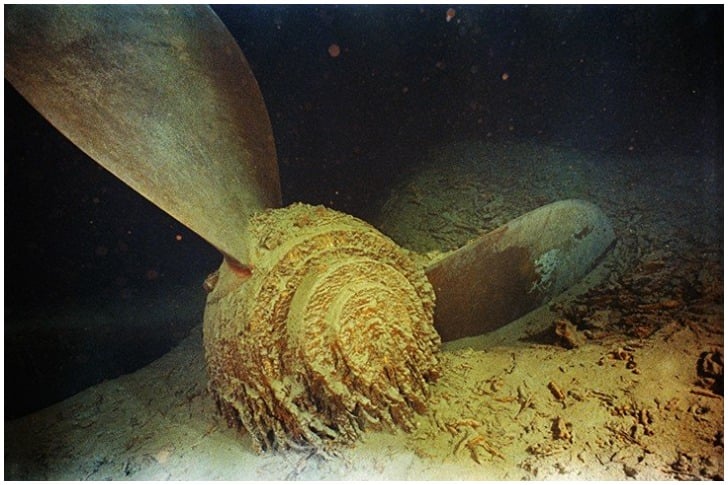
Robert Ballard’s exploration team, aided by Argo, made a costly yet triumphant discovery during their mission to explore the RMS Titanic wreck. They found the three propellers that powered the iconic ship. The starboard-side propeller measured an impressive 23.5 feet in diameter. However, the middle propeller was significantly shorter than the others, only measuring 17 feet.
Ballard’s team had to overcome numerous obstacles to locate the propeller, which ultimately paid off, giving them a glimpse into the engineering marvel of the ship and the events that led to its demise. As expected, this discovery ignited even more curiosity and fascination with the Titanic’s story.
Beginning Construction
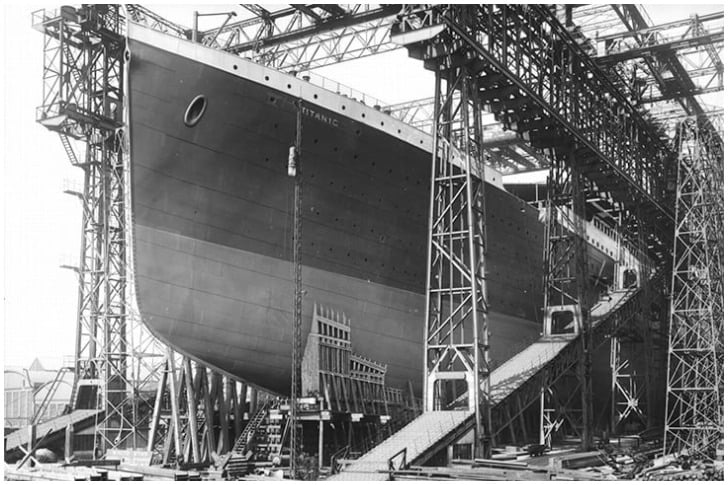
The construction of the Titanic required the assembly of a massive tower built by the esteemed Scottish company Sir William Arrol & Co. The project was massive, as the craft spanned over 882 feet in length. It’s also astonishing to consider how it was completed in just over two years.
Thousands of workers were recruited to make this project a reality. Many worked long hours under harsh conditions, often toiling for 12 hours a day, seven days a week. It’s not known how much they were paid, but given the scale of the project and the risks involved, it’s hoped that the workers were fairly compensated for their hard work.
The Large Rudder
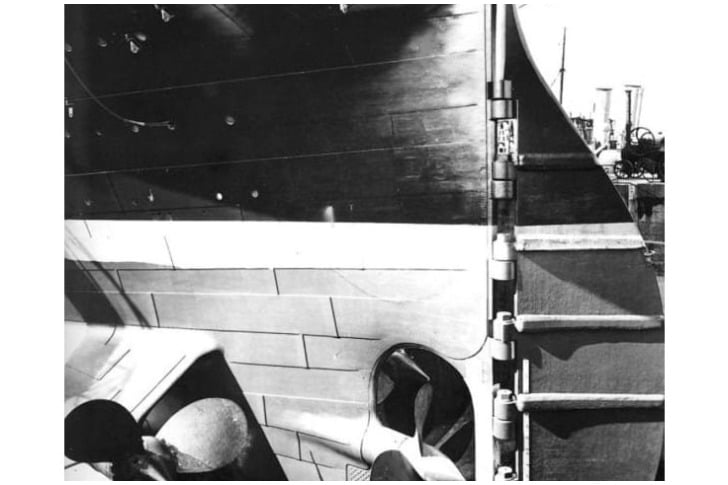
The Titanic’s rudder was a crucial component for steering the massive ship. It also required significant resources and expertise to install. Measuring an impressive 78 feet and 8 inches in height and weighing over 200,000 pounds, it was nothing short of extraordinary.
Despite the technological limitations of the time, cameras managed to capture images of the rudder, showcasing its impressive scale. It’s fascinating to consider that the rudder’s size, which was initially intended to be an advantage, ultimately contributed to the ship’s tragic fate of hitting an iceberg. The Titanic’s immense size made it challenging to turn quickly, making it almost impossible to avoid the looming iceberg.
Launching the Titanic
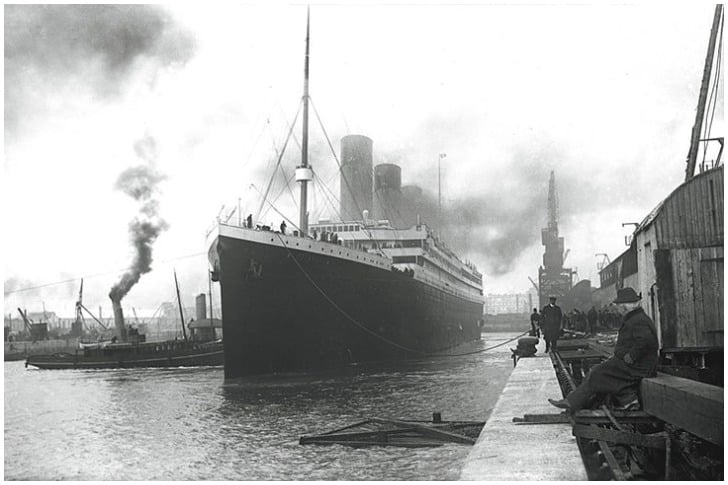
Unveiled on May 31, 1911, the RMS Titanic was a true outlier in the harbor, towering over other passenger ships. Its size was so massive that every eye was drawn to it. Interestingly, before its launch, the vessel was coated in an immense amount of tallow and soap to facilitate its entry into the Lagan River.
But the Titanic was not just remarkable in its appearance. The vessel was also equipped with the latest technological innovations, such as a Marconi wireless system, making it one of the most advanced ships of its time. This photograph captured after the successful launch showcases the ship’s luxurious appearance and functional design.
The Test Drive
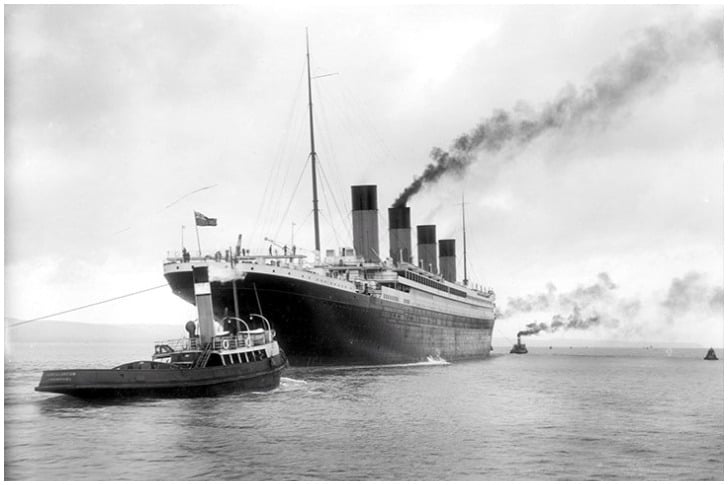
With a weight of 115.3 million pounds, the RMS Titanic was the largest ship of its time. Five tugboats served as guides when it underwent its first sea trial as the pilots carefully navigated the ship from Belfast Lough to the Irish Sea. The idea was to test the ship’s seaworthiness and scrutinize its ability to maneuver and stop for safety reasons.
The Titanic’s performance during the sea trials was impressive. Many believed the ship to be unsinkable, with its state-of-the-art safety features. Afterward, the date of its first transatlantic journey was set for April 10, 1912, to the eager anticipation of many.
The Captain and His Crew
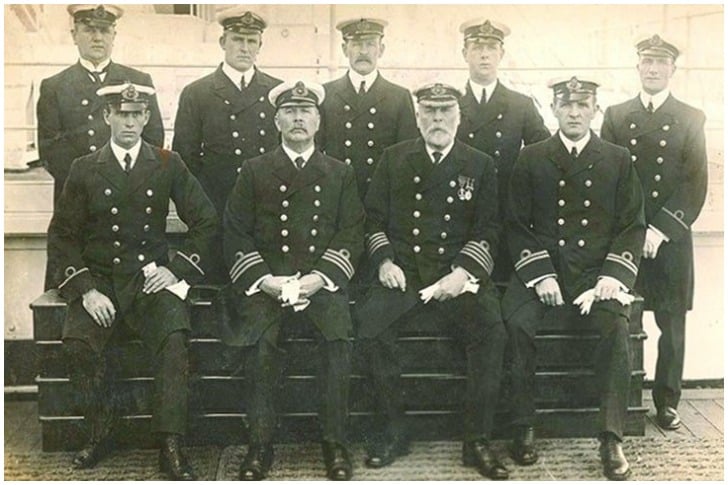
The man seated in the front row, second from the right, in this iconic photograph is the experienced captain of the RMS Titanic, Edward John Smith. He posed alongside the engineers and officers who commanded the ship on its ill-fated inaugural voyage.
The Titanic was equipped with state-of-the-art safety features, including watertight compartments, to make it practically unsinkable. However, these features were not enough to prevent its sinking. The crew was taken by surprise, having placed their utmost trust in the vessel. And put of the 885 crew members, only a few survived the disaster. To think that Smith had intended to retire following this trip, considering it his last.
Resting at the Dock in Belfast
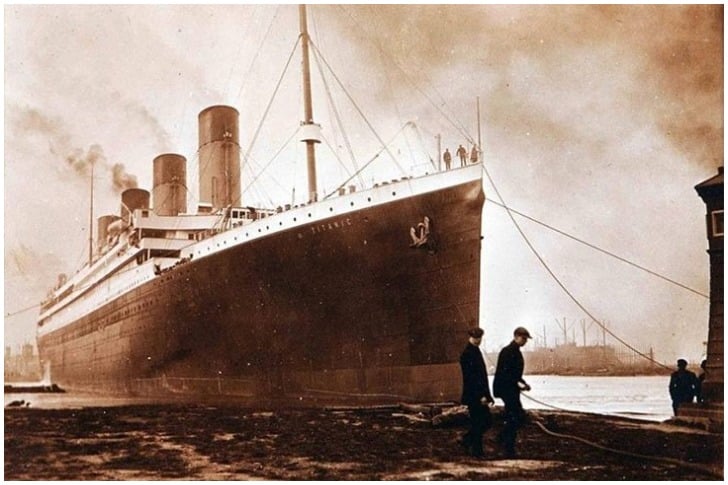
This timeless photograph captures the RMS Titanic at its birthplace in Belfast, Northern Ireland. The luxurious ship was the epitome of extravagance, a result of the hard work of the builders who devoted their lives to creating it. Anticipation for the Titanic’s maiden voyage was intense, and no one could have foreseen its tragic end.
Ironically, despite its notoriety, the Titanic ranks as the second-largest ocean liner disaster in history. Its sister ship, the HMHS Britannic, which was used as a hospital vessel during World War I, sunk in the Aegean Sea. The Britannic’s fate was a stark reminder of the inherent dangers of the sea, even for the most advanced vessels.
The Rescue Boats
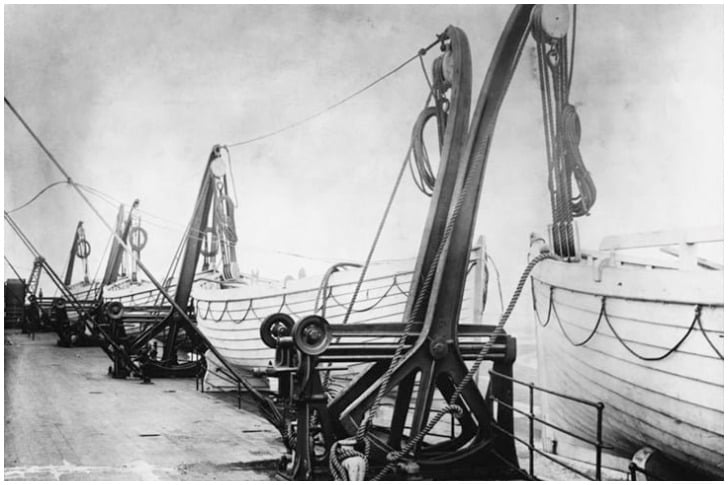
The tragedy that befell the Titanic demonstrated the importance of lifeboats in maritime safety. Despite its massive size and advanced engineering, the ship carried limited lifeboats, leading to unimaginable consequences. It’s worth noting that lifeboats have been in use for centuries, with the earliest recorded instance dating back to 1807.
Interestingly, the earliest lifeboats were constructed from wood and canvas and propelled by oars. However, modern versions have undergone significant technological advancements. These updated crafts feature engines and navigation systems that allow them to operate in the most challenging conditions, ensuring the safety of those aboard. The hope is that maritime disasters like the Titanic’s tale will never happen again.
A Place for Peace and Solitude
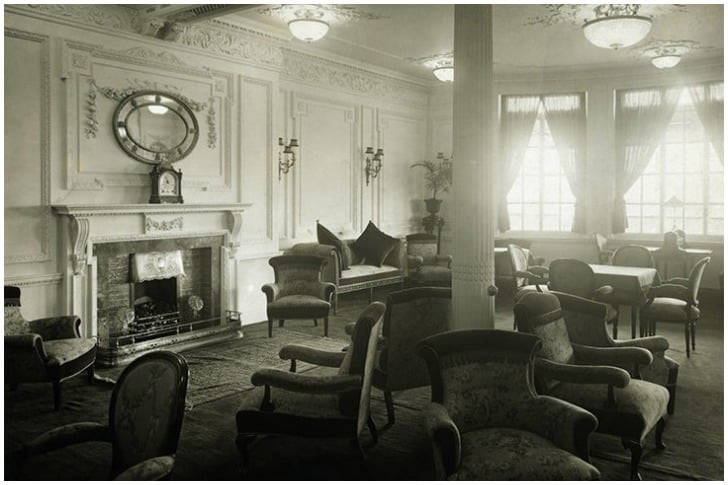
The RMS Titanic was not a regular ship. It was a luxurious floating city designed to cater to the wealthy and elite. With over 880 staterooms and suites, it was a marvel of engineering and elegance. And among its many lavish features was this Reading and Writing Room located on the first-class deck.
At a time when smartphones were nonexistent, the room offered travelers a sanctuary where they could indulge in reading books or writing about their experiences. Adorned with exquisite decor, including a fireplace and ornate ceiling panels, the Reading and Writing Room was a testament to the Titanic’s commitment to luxury and sophistication.
Passengers Going Onboard
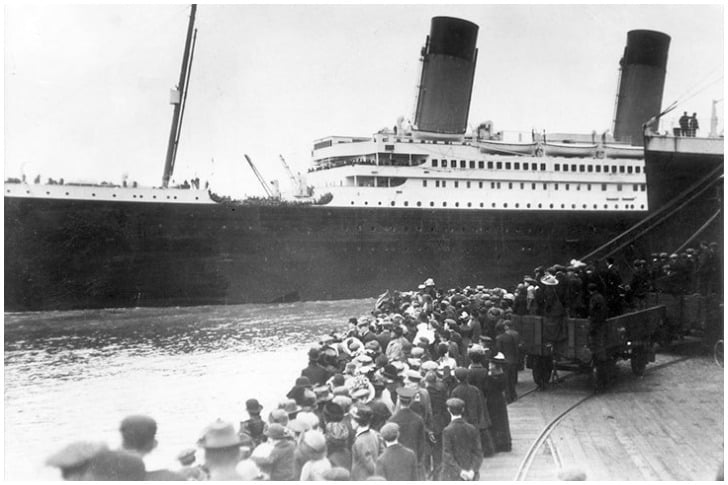
Here’s a photo of the RMS Titanic taken before it departed on its maiden voyage. In line with the fashion of that era, the women were attired in long dresses and hats, while men donned suits and hats. Travel methods have come a long way since then, and vacationers now enjoy leisurely cruises on colossal ships with a range of lavish amenities.
Many ships have evolved into floating cities with shopping malls, hotels, and water parks. Though the Titanic was also a symbol of luxury, boasting a swimming pool, a Turkish bath, and a squash court, the advent of air travel has made commercial flights the preferred mode of transportation.
Luxury of Yesteryears
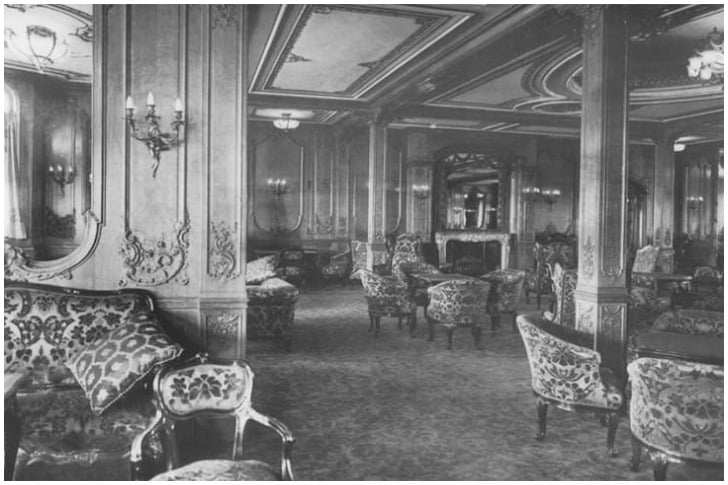
Wealthy travelers on the RMS Titanic experienced unparalleled luxury in the first-class lounge. It was an exclusive area that facilitated lively passenger conversations and social interactions. Unlike today’s technology-driven luxury travel, the lounge featured extravagant items that encouraged human connection, like exquisite furniture, ornate decoration, and a grand piano.
At a time when smartphones and in-flight entertainment systems were non-existent, the lounge was a place to unwind and engage with fellow passengers. It’s crucial not to forget the charm of the past that offered a more personal touch. Today’s elite has access to numerous amenities in modern first-class travel. But the exclusivity of the Titanic’s first-class lounge is unmatched.
Passengers Out for a Stroll
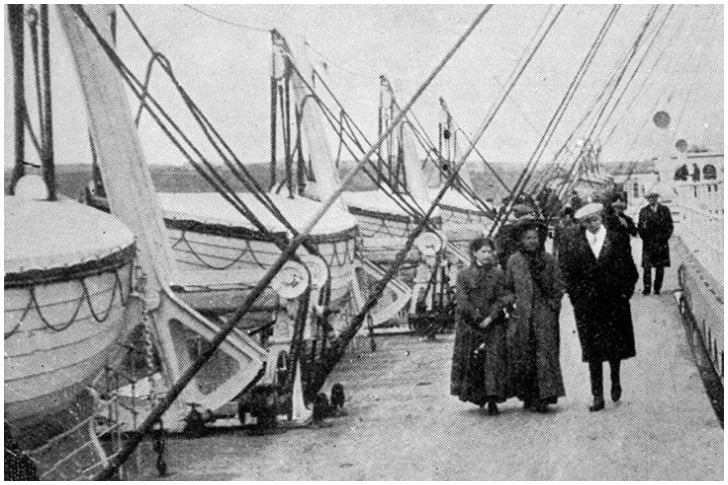
On the day this photograph was taken, the passengers lining up alongside the Titanic looked forward to the adventure that lay ahead, unaware of the impending tragedy. The lifeboats they walked by would later become the only hope for survival in the icy waters of the Atlantic.
The disaster claimed the lives of 1,500 people, and it left a lasting impact on maritime history and the world. As a result, safety regulations were implemented to prevent similar disasters from happening again. One of the most significant changes was the requirement for lifeboats to accommodate all passengers and crew on board.
The Children’s Play Area
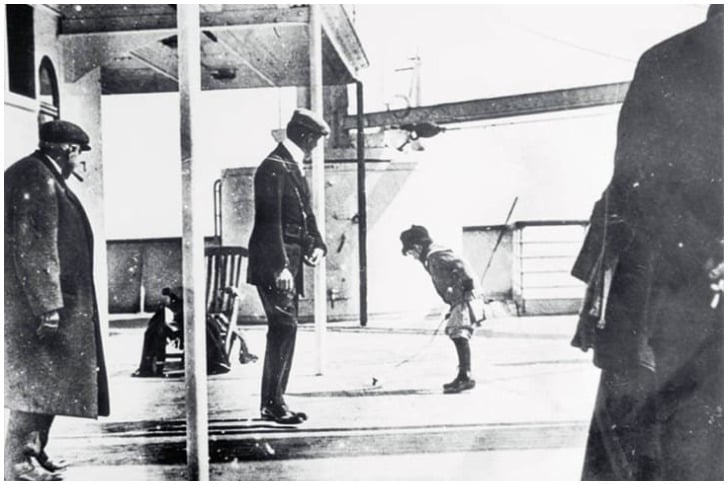
Children had their own designated play area on the saloon deck. Their recreation was vastly different from the technological gadgets and mobile games that draw the interest of modern children. This area included swings, a slide, and other toys to keep children entertained under parental supervision.
In contrast to concerns of modern technology, the Titanic’s play area allowed for physical activity and social interaction, as opposed to sedentary screen time. It’s intriguing to observe how technology has shaped modern leisure, and how playtime has evolved. While outdoor playtime is dwindling, the Titanic’s play area was an excellent example of a space dedicated to fostering children’s development through unstructured play.
A Top-Tier Cafe
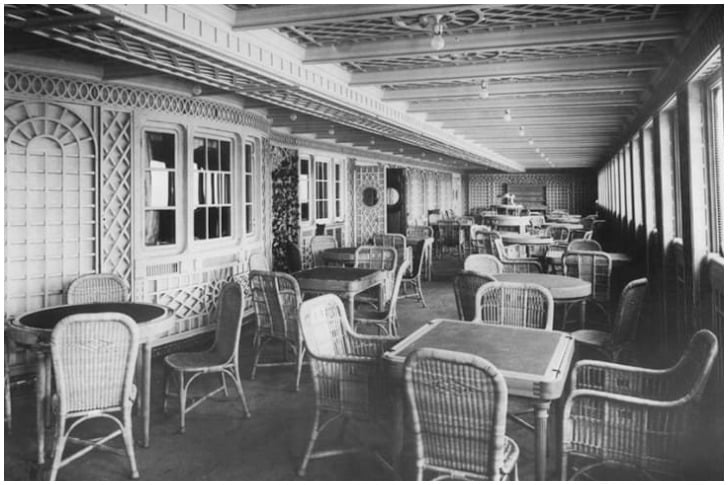
The Café Parisien on the RMS Titanic was a grand establishment that embodied the essence of sophistication and opulence. It served as a social hub for the ship’s elite passengers, providing them with an affluent atmosphere to enjoy each other’s company.
The restaurant’s interior design also reflected its status, with its exquisite furnishings and ornate decor. The dining experience at the Café Parisien was a carefully curated affair, with an emphasis on providing the highest level of comfort and service. Today, dining experiences have evolved, with technological advancements and innovations taking center stage. However, the Café Parisien serves as a testament to the grandeur of a bygone era.
The Man Who Lived
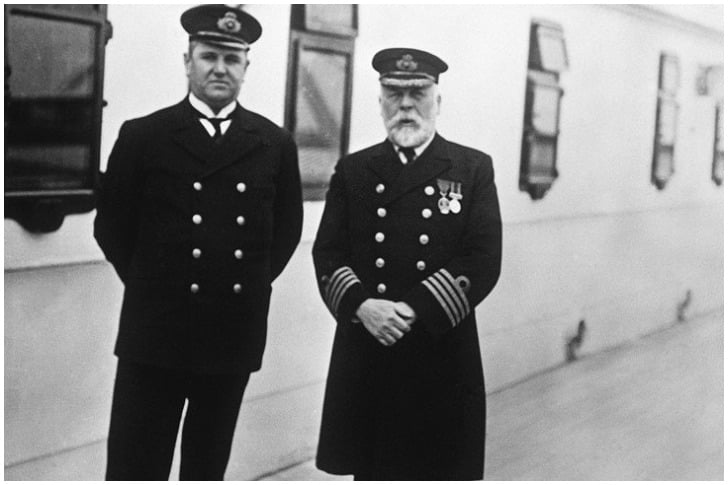
Father FM Browne was the skilled photographer who captured this rare image of Captain Edward J. Smith, the RMS Titanic’s captain, with Hugh Walter McElroy, the purser, and helmsman. These men were in charge of the world’s largest vessel during its time. Despite being invited on the maiden voyage, Browne disembarked in Queenstown, Ireland, sparing him from the tragedy that was to unfold.
However, Smith and McElroy remained on board when the Titanic collided with an iceberg and met its infamous demise. The catastrophic event had far-reaching consequences for their families, and this image is a poignant reminder of the men who played critical roles in the ship’s fateful journey.
The Titanic’s Principal Dining Area
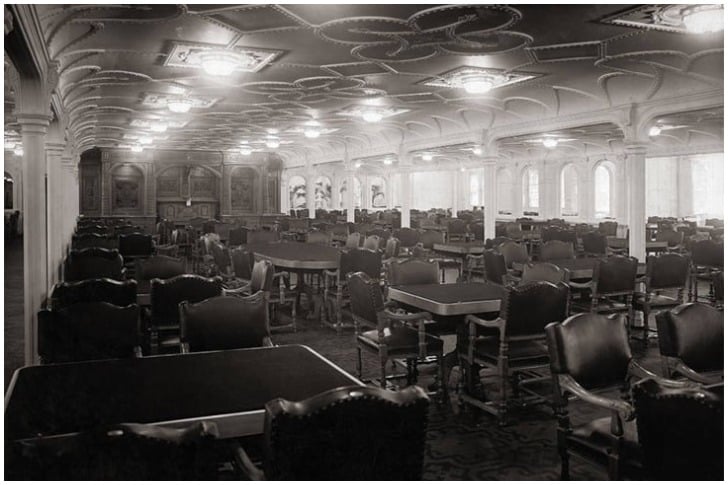
The kitchens on the Titanic were equipped with modern facilities, and could prepare more than 6,000 meals per day. This was a remarkable feat considering the ship’s elite clientele and the need to cater to their lavish taste buds. Interestingly, the grand dining area was so expansive that it is unclear whether all passengers could fit within its walls.
This photograph captures only a portion of the space. The ship’s cooks and staff played a significant role in providing a luxurious culinary experience for passengers, serving up a menu with exquisite dishes like oysters, lobster, and filet mignon. Unfortunately, none survived the disaster, leaving behind a legacy of fine dining and tragedy.
The Titanic’s Survivors
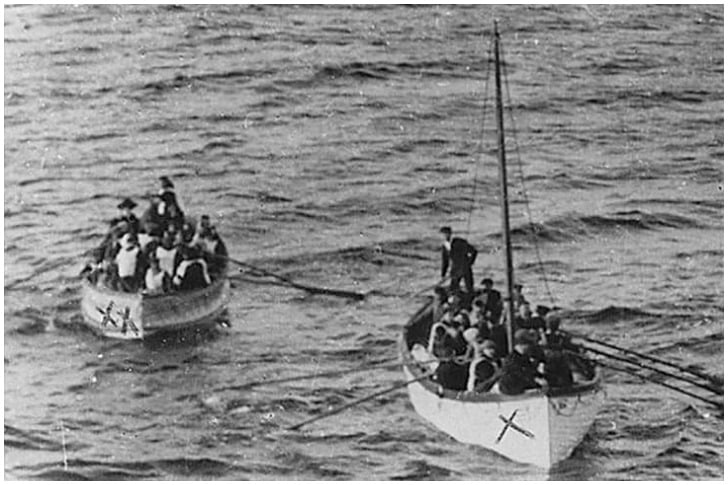
This photograph captures a group of survivors struggling to stay alive in the frigid waters. With temperatures hovering around -2°C, many passengers couldn’t endure the harsh conditions and succumbed to hypothermia. The tragedy underlines the importance of having travel insurance to protect against unforeseen events that can occur during travel.
Such insurance not only covers any financial loss but also provides medical assistance abroad. Surprisingly, only 30% of Americans purchase travel insurance when traveling overseas, leaving themselves vulnerable to potentially catastrophic situations. Therefore, it’s essential to consider all possibilities and take the necessary precautions to ensure safety when traveling, especially in unpredictable circumstances.
Fighting Against All Odds
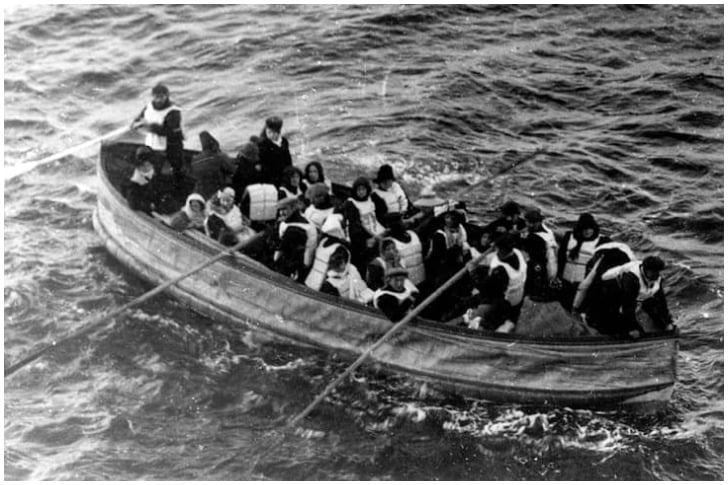
Here’s the final lifeboat used to transport survivors away from the sinking Titanic. Shockingly, most of the casualties were male passengers, including some crew members who couldn’t be rescued. Surprisingly, a significant number of third-class guests also lost their lives. However, the “women and children first” policy was prioritized, ensuring that most of the women in first class were saved while all second-class children were rescued.
Noteworthy survivors include Arthur John Priest and Violet Jessop, who remarkably went on to survive the sinking of the Titanic’s sister ship, the HMHS Britannic. Their stories of surviving two of the largest ship disasters in history speak strongly to their strength and resilience.
How Carpathia Saved the Day
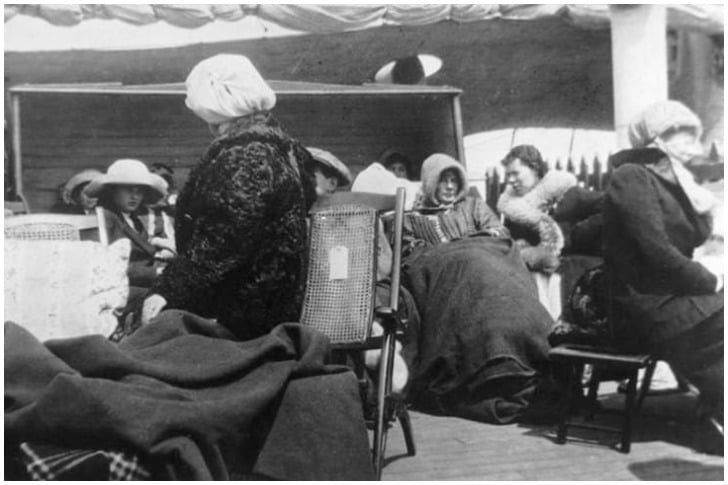
In this photo, some of the survivors of the RMS Titanic disaster are seen with the ship that came to their rescue. The Carpathia was known for its swift response to the disaster, arriving just two hours after the shipwreck.
The rescued passengers were given warm clothing and blankets to combat the shock and cold. The heroic crew of the Carpathia displayed exceptional bravery in their rescue efforts as they were navigating the same treacherous waters where the Titanic met its infamous end. Sadly, the Carpathia was attacked and sunk by a German submarine in 1918. Still, its crew managed to rescue all but five of its comrades.
Missing Boys Are Found

In this photograph, we see the Navratil brothers, survivors of the Titanic disaster, who lost their father in the tragic event. After the disaster, the brothers traveled to New York City under the pseudonym “Louis” and “Lola” to avoid being separated from each other. Luckily, their true identities were revealed when their mother saw and recognized them from a photograph in a newspaper.
The sinking of the Titanic led to significant safety regulations for future maritime travels. For instance, ships were required to carry enough lifeboats for all passengers and crew members. Nevertheless, the human impact of the tragedy is still felt today, as in the case of these brothers.
A Photo of Some Escapees
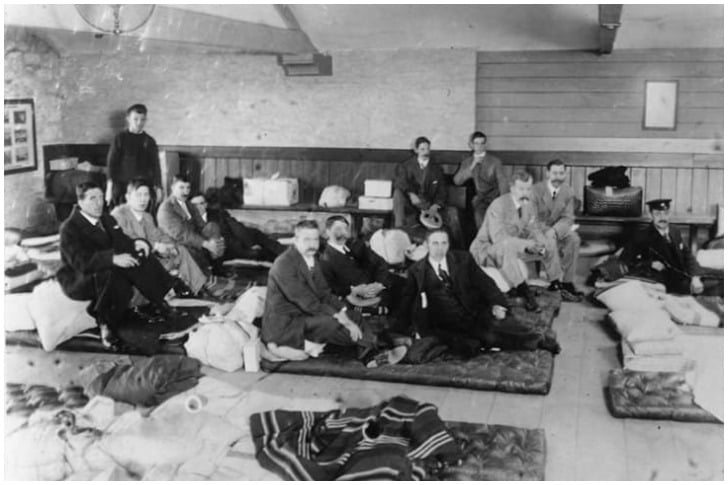
At Plymouth’s Millbay Docks, a group of male Titanic survivors gathered to take this photograph in gratitude for surviving the tragic disaster. The picture depicts the men’s relief and captures the selflessness of those who gave up their spots on lifeboats to save women and children. The identities of the survivors remain unknown, but their heroic actions helped save many lives.
The sinking of the Titanic left a lasting impact on the survivors, with some possibly avoiding future seafaring adventures due to the trauma. However, their bravery and resilience continue to inspire people today, demonstrating the strength of the human spirit during times of crisis.
The Woman Behind the Photographs
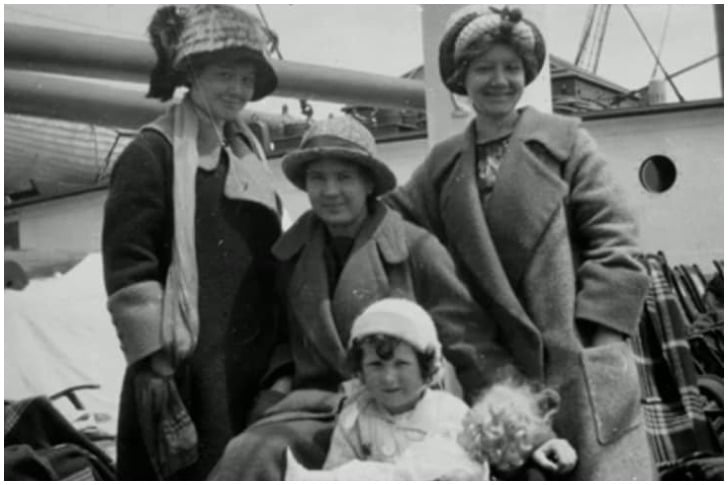
Bernice Palmer Ellis was a passenger on the RMS Carpathia who played a crucial role in capturing the tragic events of one of history’s most notorious maritime disasters. As an ardent photographer, Ellis used her Kodak Brownie box camera, which she received as a birthday gift, to photograph the iceberg that caused the Titanic’s demise.
Ellis also photographed the rescue of survivors, creating a compelling record of that fateful night. Her passion for photography and her commitment to preserving the events of that night is evident in her collection of images. Ellis generously donated her collection to the Smithsonian Archives, ensuring that her legacy will endure for many generations.
An Adventure Turned Tragedy
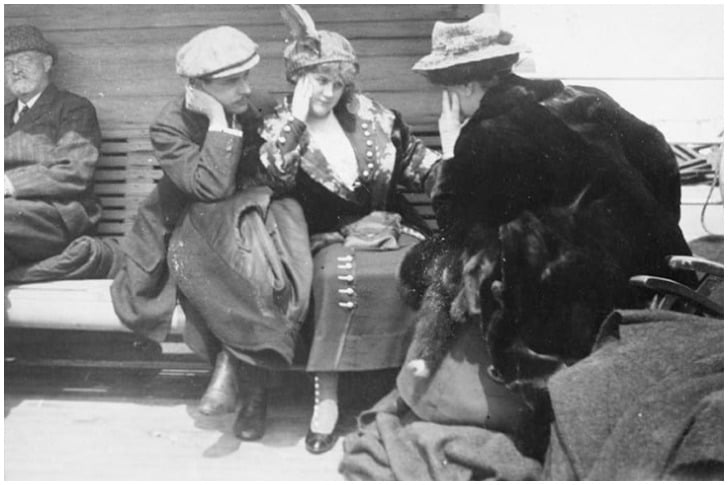
Mr. and Mrs. George A. Harder were one of the thirteen couples on board the RMS Titanic. They were thrilled to embark on their journey, hoping to experience adventure and romance on the luxurious ship. The couple eagerly anticipated the journey ahead, excited to explore the grandeur of the vessel and the vast ocean.
However, their hopes were dashed when the Titanic hit an iceberg and sank, tragically claiming Mr. Harder’s life. Mrs. Harder was left to cope with the devastating loss alone. On the other hand, the disaster exposed significant flaws in the design and safety measures of the ship, leading to significant changes in maritime safety regulations.
Titanic’s Fitness Center
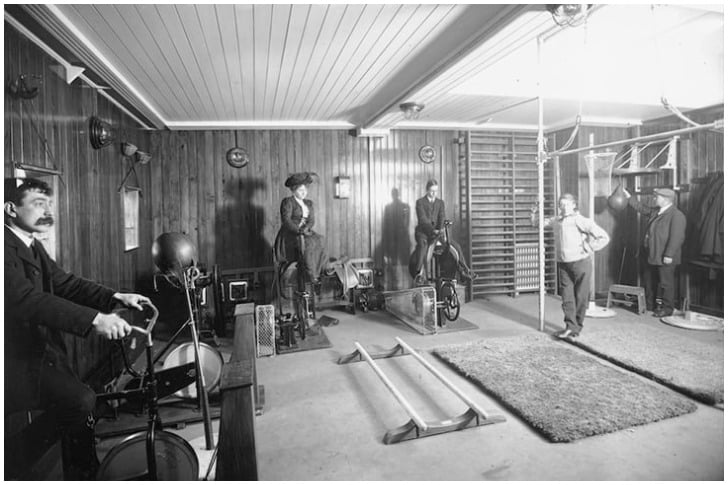
The gym aboard the RMS Titanic was an innovative facility featuring state-of-the-art exercise machines that were revolutionary for their time. This rare photograph captures passengers utilizing the gym’s equipment, highlighting the importance of physical fitness, even during a luxurious ocean voyage.
The gym was short-lived, however, as the ship’s tragic sinking cut short the passengers’ enjoyment of the facility. Today, fitness centers have evolved with the latest technology and machines, and the importance of exercise remains as crucial as ever. In fact, exercise has become an essential part of many people’s daily routines, with benefits that extend beyond just physical health, such as mental health and stress reduction.
The Lodgings of the One Percenters
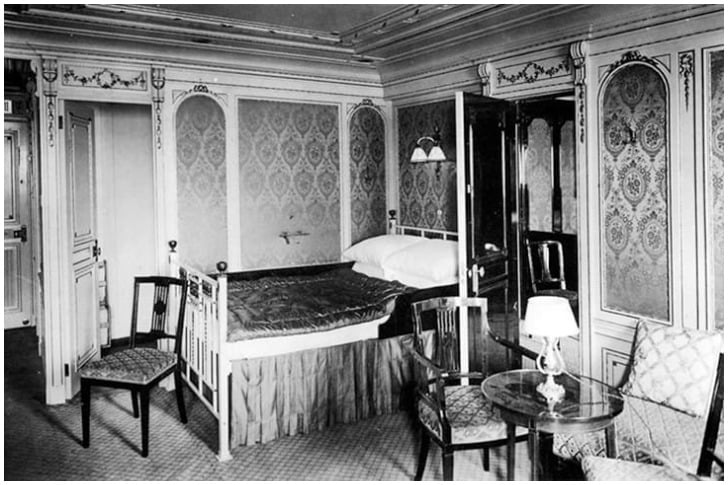
The RMS Titanic’s first-class passenger compartment was a sight to behold. This photo doesn’t do it justice. Its richly designed interiors showcase the ship’s extravagant decor and luxurious amenities, aimed at providing an unforgettable experience for its well-heeled passengers.
Sadly, the same level of comfort was not extended to the third-class passengers, who were confined to small, cramped living spaces. The contrast between the classes on the Titanic was stark, highlighting the inequality of the era. However, it was not unique to the Titanic, as other ships of the time, like the Queen Mary, also catered to the wealthy, such as the Queen Mary.
The Stunning Entryway
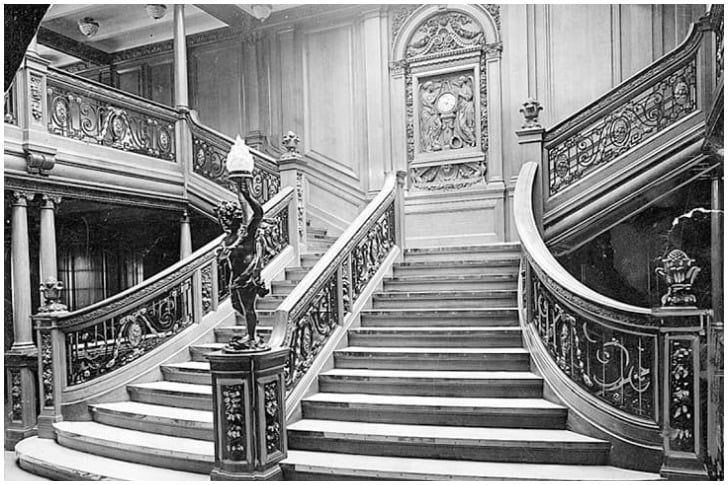
One of the most unforgettable features of the Titanic was its grand staircase, which made a lasting impression on first-class passengers. This staircase, a symbol of the ship’s luxurious design, was an essential part of the experience. Although no authentic images of the original staircase remain, historians speculate that it resembled the one on the Titanic’s sister ship, the Olympic.
Thankfully, fascinating photos of the Olympic staircase do exist, showcasing its intricate design and allure. Additionally, the grand staircase has been immortalized in the movie adaptation of the tragedy, cementing its place in history as an enduring symbol of the Titanic’s opulence and subsequent downfall.
The Catalyst of the Titanic’s Demise
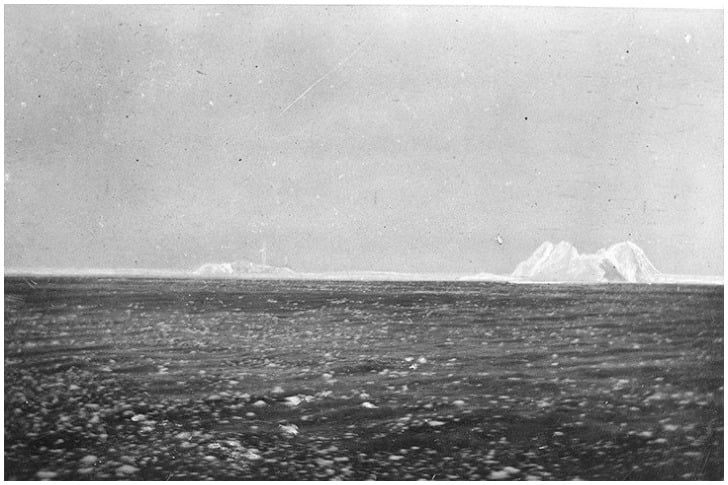
Frederick Fleet, the lookout on board the infamous craft, was the one who first spotted the fatal iceberg that led to the disaster. The iceberg was looming ahead, and First Officer William Murdoch tried to steer the ship away from danger, but it was too late.
The ship collided with the iceberg on its starboard side, triggering a chain of catastrophic events. The freezing water claimed many lives as the vessel sunk, with temperatures dropping to -2°C. The ordeal lasted for roughly three hours, adding to the tragic tale of the Titanic and making it one of the most enduring stories in modern history.
How the Lifeboats Played a Part
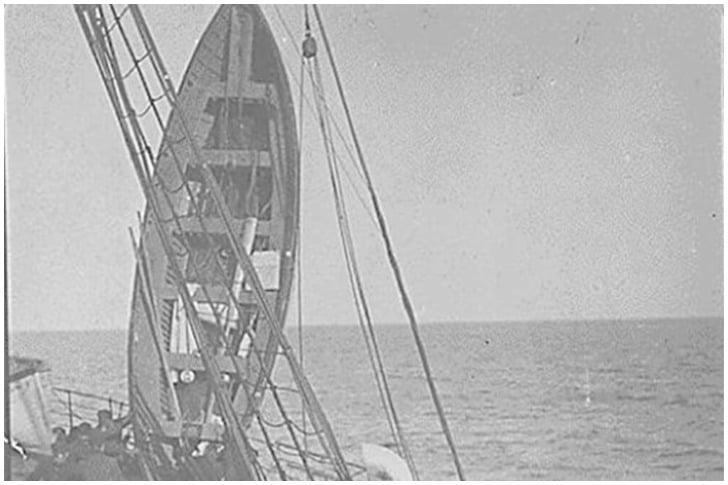
During the RMS Titanic’s doomed journey, the crisis led to the lowering of the lifeboats, as shown in this photo. Ironically, the ship’s crew did not anticipate requiring them, despite the Titanic’s 14 lifeboats, each with a capacity of 65 individuals.
Furthermore, four collapsible lifeboats could accommodate 47 passengers, and emergency boats, called “Cutters,” could carry an additional 35 to 40 individuals. The Titanic’s total lifeboat capacity was 1,176, highlighting the crucial importance of investing in safety measures in the maritime industry. Such measures are mandated by the International Maritime Organization due to the inherent risks of accidents and disasters at sea.
Technology of the Time
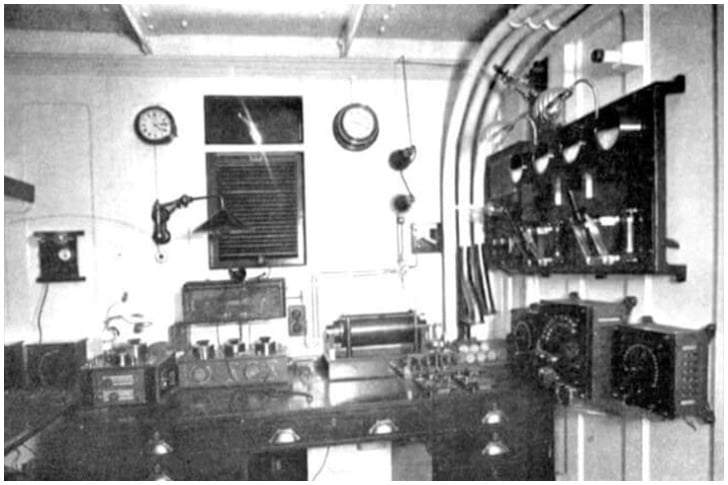
This image depicts the tech room and its advanced radio equipment for communication purposes. Harold Bride and Jack Phillips, both employees of Marconi International Marine Communication Company, were the ship’s operators responsible for operating this technology.
However, despite having access to radio communication, the Titanic’s tragedy was partially due to the lack of advanced technology to detect and avoid icebergs. In response, the shipping industry has since taken steps to improve communication and safety equipment onboard ships to reduce the risk of such disasters. The disaster has also become a cautionary tale, emphasizing the importance of investing in safety technology for all forms of transportation.
Reaching Land at Last
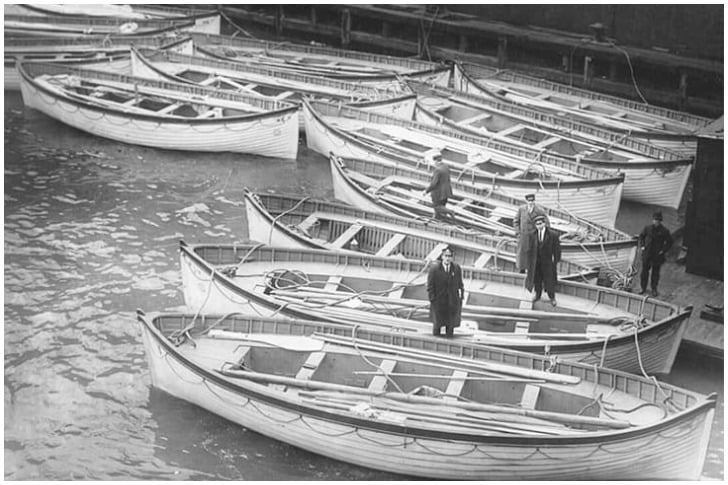
The rescue ships finally arrived at Pier 54 in New York City, marking a crucial moment in the aftermath of the Titanic disaster. Survivors from the Carpathia liner were quickly ushered into various accommodations with the assistance of multiple organizations. Although a free train to Philadelphia was available, some survivors chose to pay for private transportation.
However, the rescue mission faced challenges due to harsh weather conditions and the limited capacity of the rescue ships, preventing all passengers and crew members from being rescued. The efforts of those involved in the rescue mission were nonetheless critical in saving as many lives as possible.
The Stern Is Uncovered

The RMS Titanic’s stern was a crucial component of the ship’s architecture, measuring an astounding 392 feet in length. However, after the ship collided with an iceberg in April 1912 and subsequently sank, survivors reported that the stern exploded 10 seconds after the ship sank.
Some eyewitnesses also observed that it spun like a helicopter blade as it descended into the ocean’s depths. Nearly a century later, in 1985, an expedition led by Robert Ballard discovered the wreckage, including the haunting image of the ship’s stern resting on the seabed. This photograph provides undeniable evidence of that discovery, marking a significant milestone in the history of Titanic exploration.
How the Other Half Lived
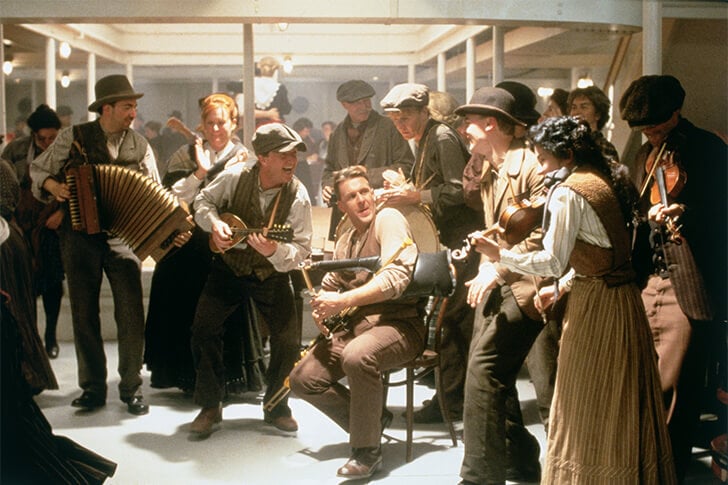
The third-class deck on the RMS Titanic is often overlooked in many literary analyses of the event. It was home to about 700 to 1,000 individuals who had limited access to amenities. The ship did offer a smoking parlor, general room, and dining hall, but conditions were still challenging.
In addition, the third-class passengers had only two bathtubs to share, and their location at the bottom of the ship made it challenging to access safety measures during the tragic sinking. Sadly, many of the 1,500 victims of the disaster were from the third class, highlighting the need for equal safety standards and access to resources for all passengers on board.
The Band’s Unwavering Dedication
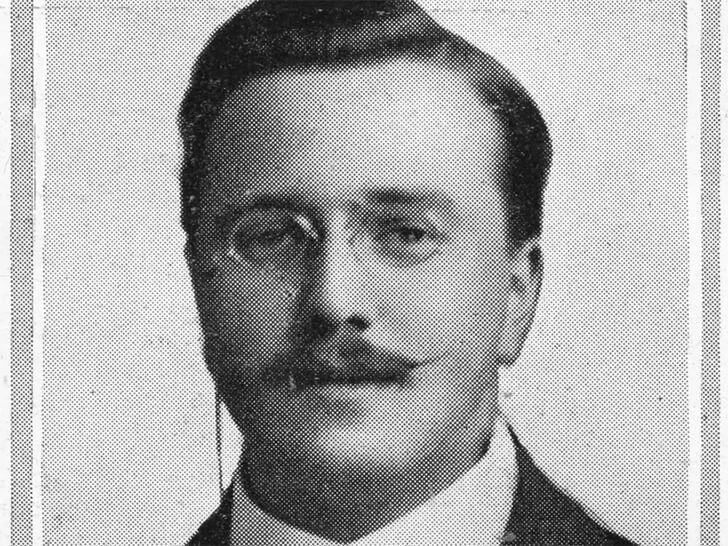
Amidst the chaos of the Titanic’s sinking, J. Wesley Woodward, a cellist in the ship’s band, played on until the very end. Along with his fellow musicians, Woodward kept playing to calm panicked passengers, even as water gushed into the ship and lifeboats departed.
For over two hours, the band played a variety of music, ranging from solemn hymns to lively ragtime tunes. Their bravery and dedication have since been immortalized in the 1997 blockbuster movie “Titanic,” directed by James Cameron. In the film, the band’s performance is depicted as a testament to the human spirit in the face of overwhelming tragedy.
Death of Some Construction Workers
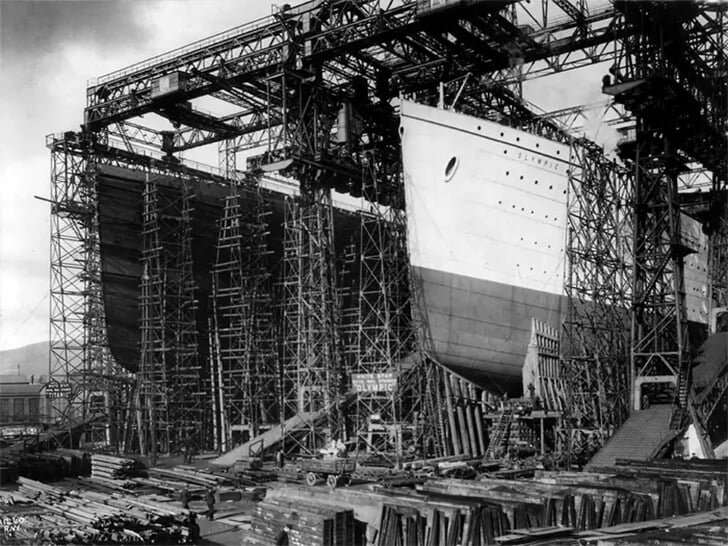
The construction of the Titanic was not without tragedy. Even before its maiden voyage, eight laborers lost their lives during the ship’s construction, a somber legacy that has been largely ignored. Although records only named five of the workers, their sacrifice and contribution were finally recognized in 2012 with a plaque in Belfast.
The ship’s builders used over three million rivets in the hull, a massive undertaking that would have taken around 100 years to drill and insert by hand. It took 3,000 employed workers three years to build the Titanic, a testament to the sheer scale of the project.
Journalism of the Time
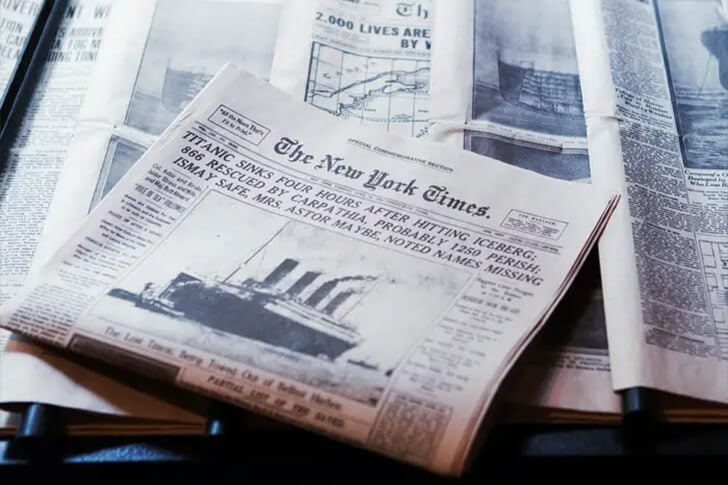
After the Titanic’s sinking, sensational headlines and false hope spread, adding confusion and heartbreak to the tragedy. The “Belfast Telegraph” assured readers that there was “no danger of loss of life,” while “The World” boasted of zero fatalities, leaving families in a state of uncertainty.
Meanwhile, American newspapers were more accurate in their reporting. Today, the story of the Titanic remains captivating, with a multitude of books, documentaries, and movies exploring the intricacies of the tragedy. Interestingly, artifacts from the ship, including a deck chair and a violin, have fetched millions of dollars at auctions, preserving the memory of the disaster for generations to come.
A Survivor Unlike Any Other

Meet Violet Jessop, a nurse, and stewardess with an incredible life story. At just 25 years old, Jessop was aboard the Titanic when it sank, but miraculously survived the tragedy by helping other women board lifeboats. Later, she sailed on the Britannic, which also sank after hitting a German U-boat’s mine.
Yet again, Jessop defied death and survived the disaster. However, she suffered a severe head injury that plagued her for the rest of her life. Despite her incredible experiences, Jessop never lost her passion for the ocean and continued to work at sea until 1950, inspiring countless others with her bravery and resilience.
Mourning the Engineers
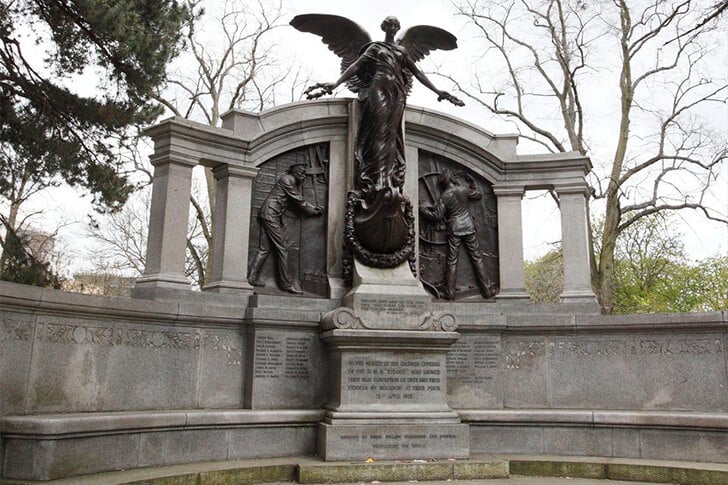
During the Titanic’s tragic end, the engineers onboard displayed remarkable bravery and dedication to their duty, becoming true heroes even in death. These skilled professionals worked tirelessly to sustain the ship’s power until the very end, ensuring that distress signals were received as the vessel went down.
They remained steadfast in their commitment to keeping the machinery running, despite the incredible danger, saving countless lives in the process. Tragically, not one of them survived the disaster. Nevertheless, their selflessness and sacrifice continue to inspire people worldwide, serving as a poignant reminder of the importance of bravery and valor, especially in the face of adversity.
The Tragic End of 13 Honeymoons
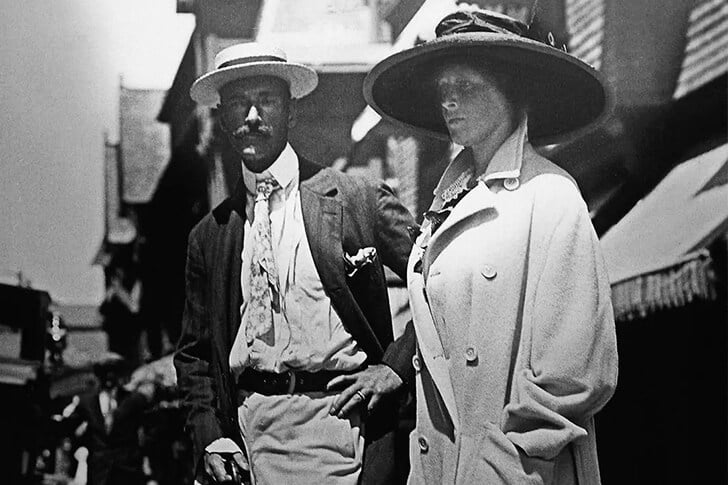
The Titanic’s maiden voyage attracted several newlywed couples eager to experience the ultimate luxury. The ship’s opulence boasted unparalleled amenities such as a swimming pool, libraries, and even a squash court, making it a haven for the wealthy.
However, their dream honeymoon was tragically cut short after the Titanic collided with an iceberg, leading to the deaths of all 13 couples. Their love stories were recounted in the book “Titanic Love Stories,” authored by Gill Paul in 2011, proving that the doomed voyage of the Titanic continues to captivate and fascinate people even after a century. Written works like these help keep their memory alive.
What Could Have Been
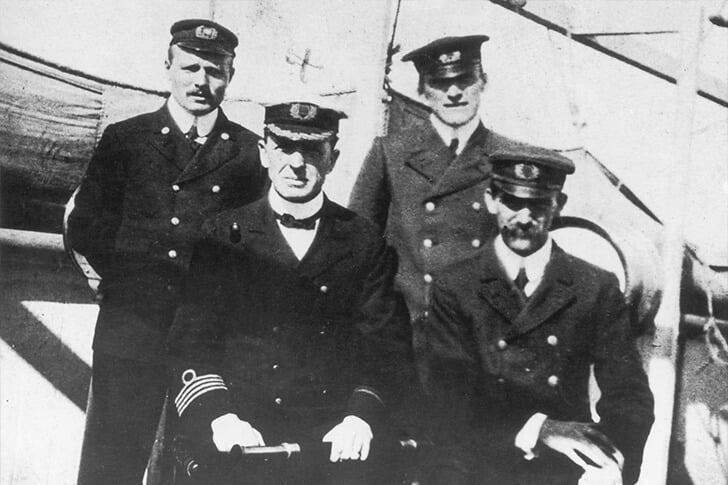
Surprising, the Californian was close to the sinking Titanic and has been criticized for failing to assist during the tragedy. The ship’s radio was turned off for the night, preventing it from receiving any distress signals from the doomed liner. The captain of the Californian also mistook the flares launched by the Titanic as celebratory fireworks and took no action, leading to the delayed response of SOS calls.
Interestingly, the Californian suffered a similar fate three years later when it was hit by a German submarine during World War I in November 1915. This turn of events shows how history can repeat itself in the strangest ways.
Too Big for Its Time
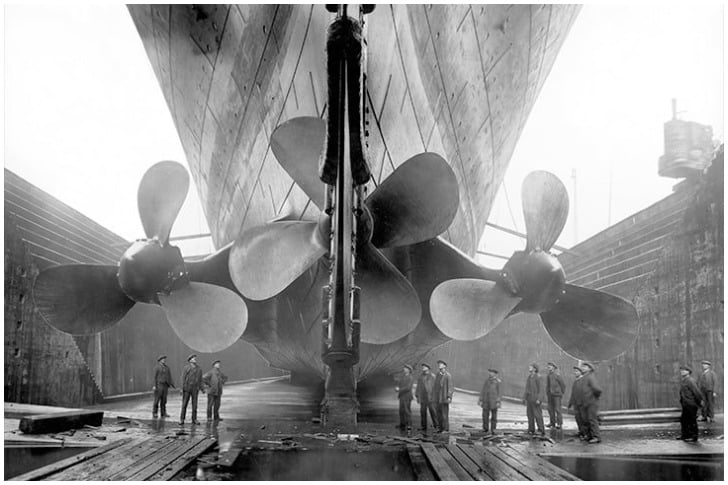
This picture shows the colossal propellers of the RMS Titanic, each measuring over 23 feet in diameter and weighing a massive 38 tons. The ship on its own was not only impressive in length, measuring an astonishing 882 feet and 9 inches. Yet standing at around 175 feet high, no one could deny it was a technological marvel of its time.
It’s fascinating to note that modern-day private yachts are mere fractions of the Titanic’s size. Some are even much smaller than the ship’s propellers. It’s also hard to imagine the sheer power and magnitude of the vessel, which would have undoubtedly overwhelmed the men in the photo.
A Chef’s Ingenuity

Charles Joughin, a chef on board the Titanic, survived in the freezing North Atlantic waters for two hours, defying the odds as most would succumb to hypothermia within 15 minutes. His secret to survival was the copious amount of whiskey he consumed.
He grabbed two bottles before the ship went down, and his alcohol consumption may have helped keep him warm. Joughin’s story highlights the protective properties of alcohol in extreme cold. Interestingly, alcohol has been used for centuries to stave off hypothermia, explaining why Arctic explorers of the past carried lots of whiskey on expeditions to protect them from the harsh cold.
The Wreckage Is Found
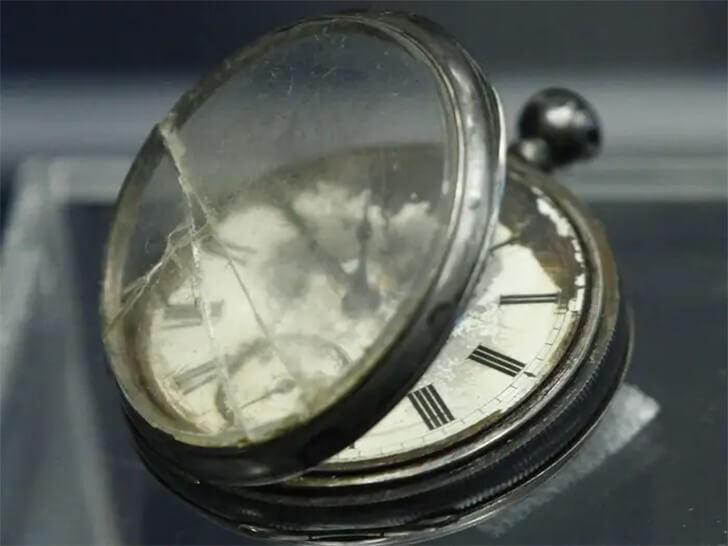
The Titanic sank, and the world was never the same again. Seven decades passed and the world remained unaware of its location until a discovery was made in 1985. The wreckage of the largest and most luxurious ocean liner ever built was found, shedding light on the disaster that claimed more than 1,500 lives.
Speculation of a top-secret military operation concerning the discovery of the Titanic’s bow section only heightened its intrigue. Today, scientists continue to explore the secrets hidden in the debris of the ill-fated ship. The story of the Titanic serves as a warning against arrogance and the limits of human technology when confronting nature’s power.
Who Is Molly Brown?
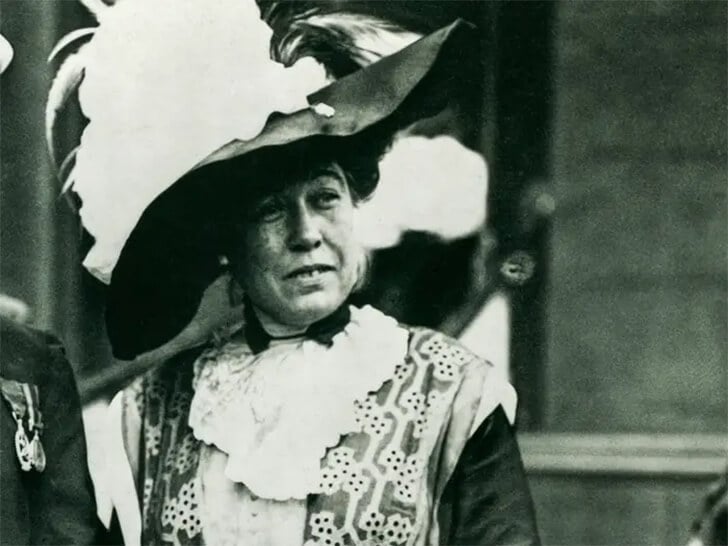
Molly Brow is also known as the “Unsinkable” because she survived the infamous Titanic disaster and became a celebrated activist. She is also remembered for her dedication to humanitarian causes and her role as a trailblazer for women’s rights.
Brown championed women’s suffrage and volunteered for the Red Cross during World War I. She also made history as the first woman to run for Senate, setting an inspiring precedent for future female candidates. Her incredible life has been depicted in movies and shows, including the blockbuster film “Titanic” and the Broadway musical “The Unsinkable Molly Brown,” ensuring that her legacy lives on for future generations.
The Controversy Is Resolved
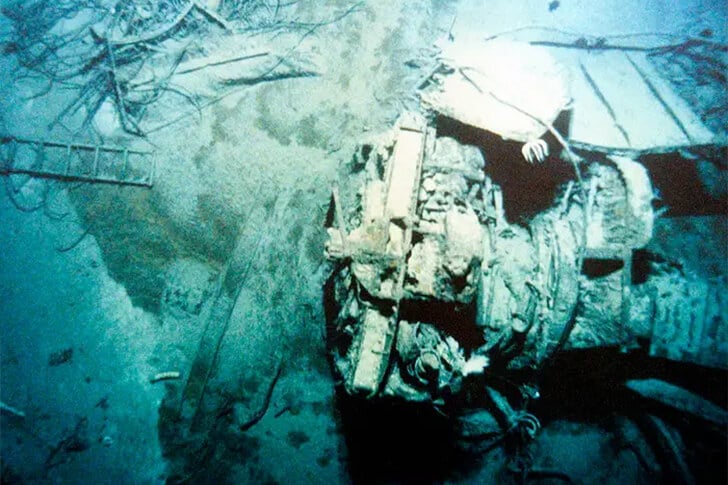
The sinking of the Titanic is a well-known event in history. Yet the debate over whether the ship broke in two or sank intact has long been disputed. The official inquiry by the United States ruled that the Titanic went down in one piece, but many experts argued otherwise.
This controversy lasted until 1985 when the ship’s wreckage was discovered 2,000 feet underwater. The discovery shocked the world when it revealed that the bow and stern were separated, and the stern was upside down. The wreckage provided concrete evidence of the Titanic’s tragic end, serving to remind us all of that disaster that claimed so many lives.
The Man Who Anticipated the Tragedy
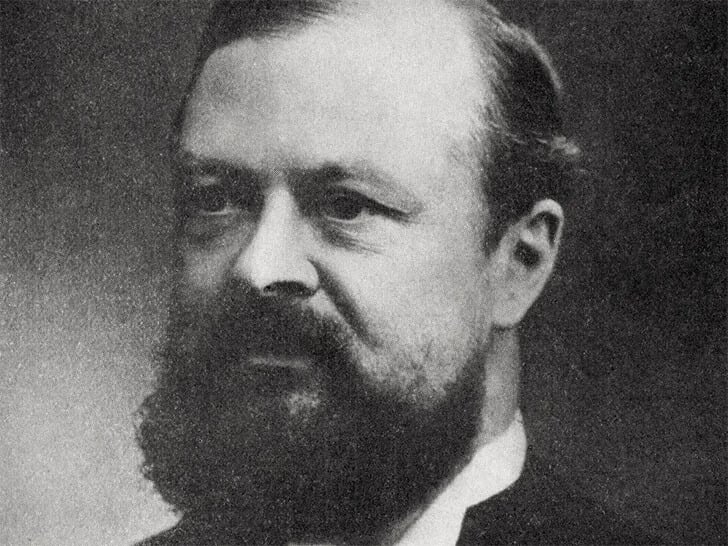
Charles Melville Hays, a passenger on the Titanic, was a visionary with a wealth of experience. He served as the president of two major travel companies. More importantly, he was one of the few who foresaw the dangers of relentlessly building bigger and faster ships for luxury and speed.
Hays warned of the risks involved in this pursuit, but his warnings went unheeded.
Despite the widespread belief that the Titanic was unsinkable, he had an ominous premonition of the ship’s fate. Sadly, his predictions proved accurate, and he perished along with many others. Hays’ story serves as a poignant reminder of the consequences of unchecked competition.